Nearby towns on route
We also cover the towns in between and around it, including Westmoreland (9 miles), Vernon (16 miles), Verona (18 miles), and Sherrill (19 miles), so a Rome job often falls on the same route as a stop in one of those towns.
Rome, Utica NY
Serving Rome's 1950s-era homes 16 miles from Utica, we know the extension springs and steel sectional doors that came with the local building boom.
What we do here
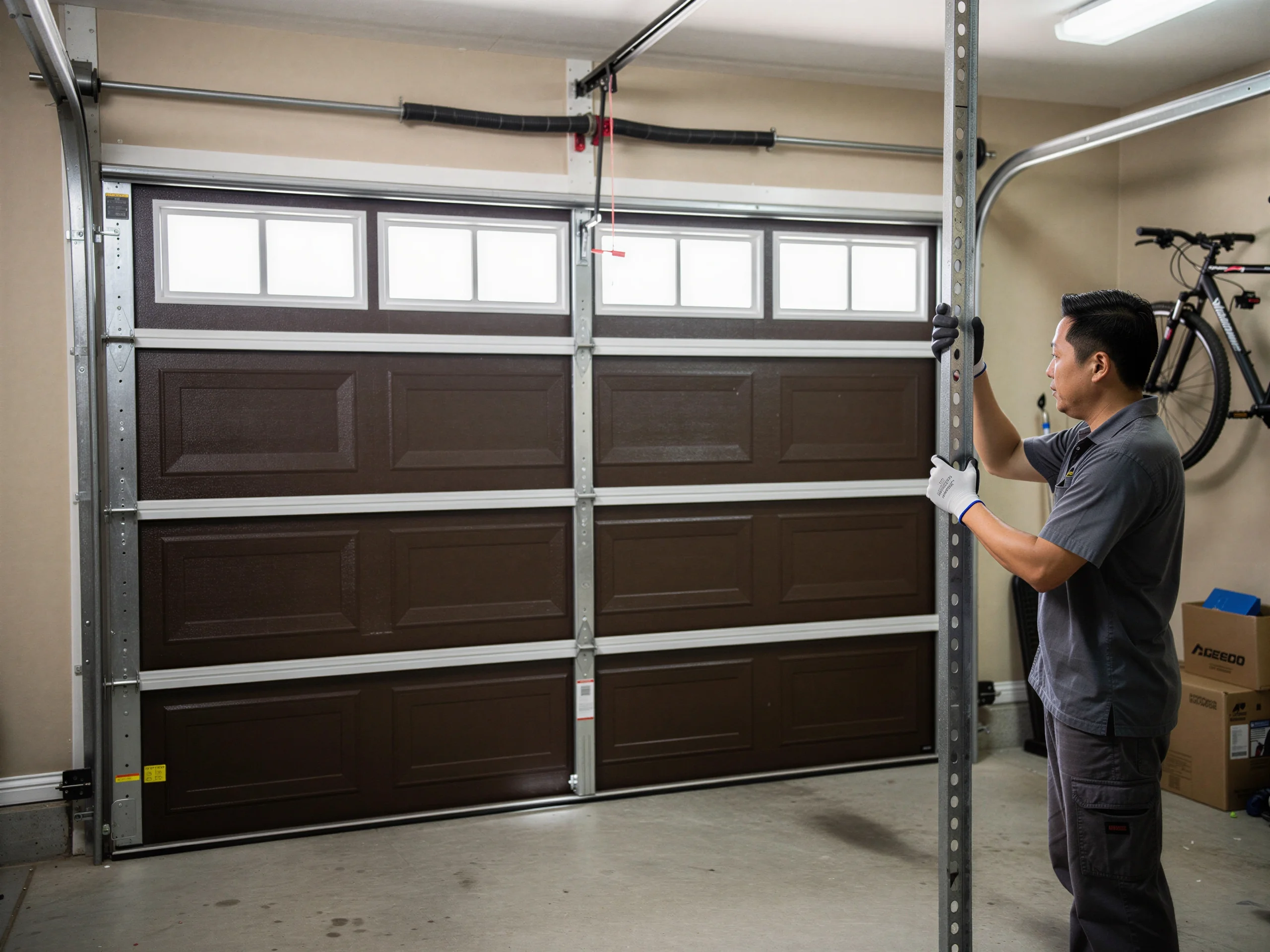
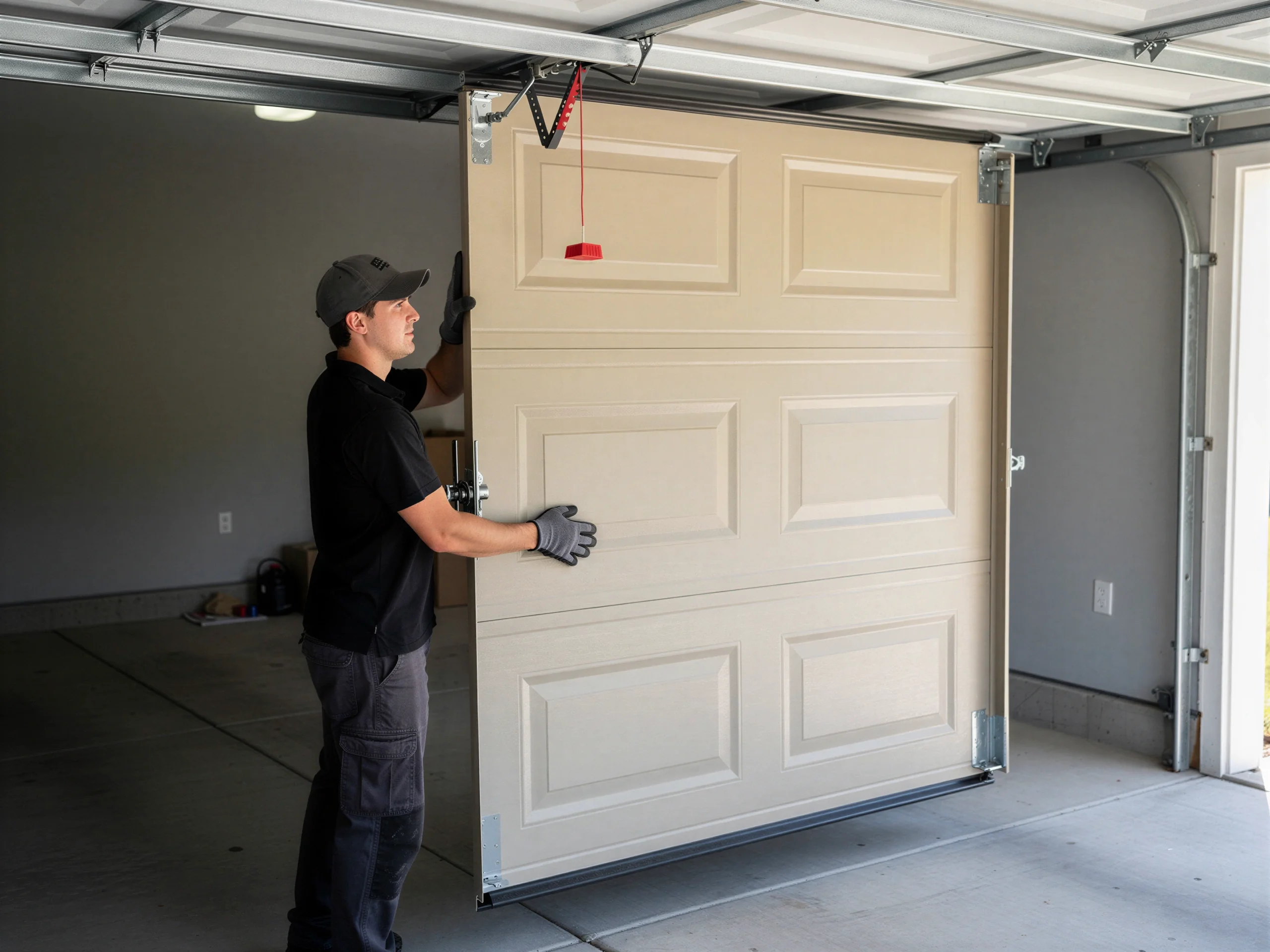
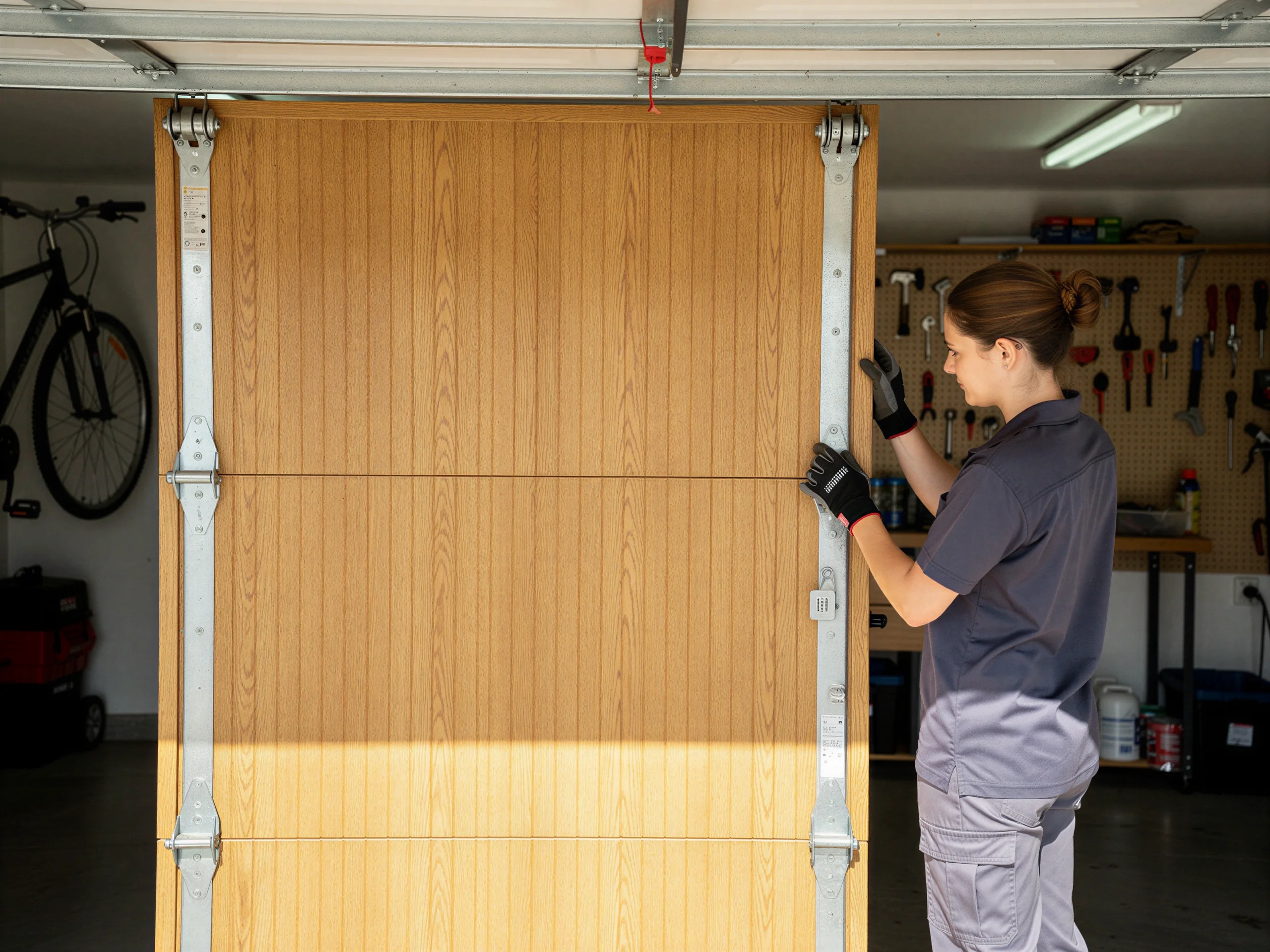
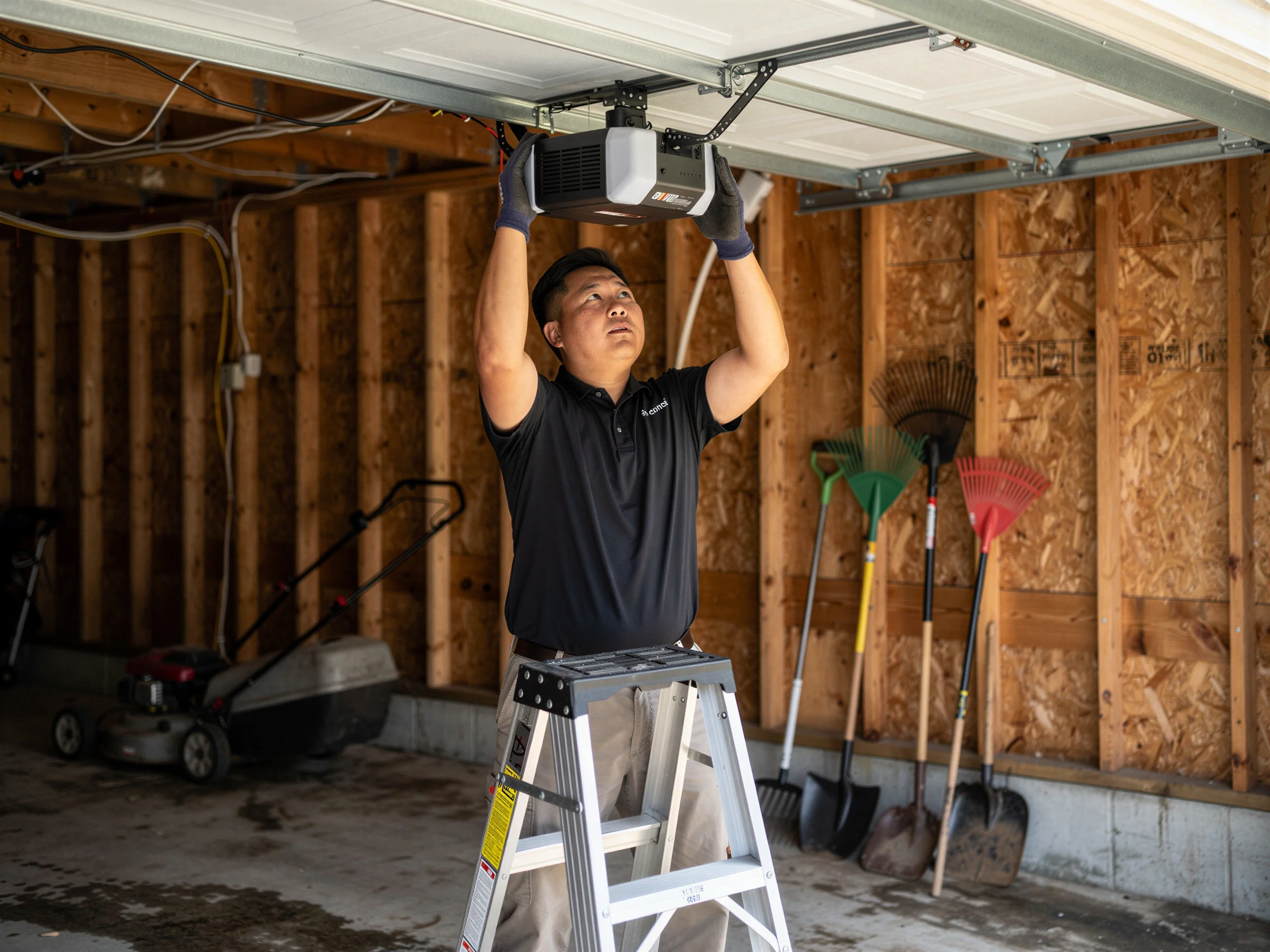
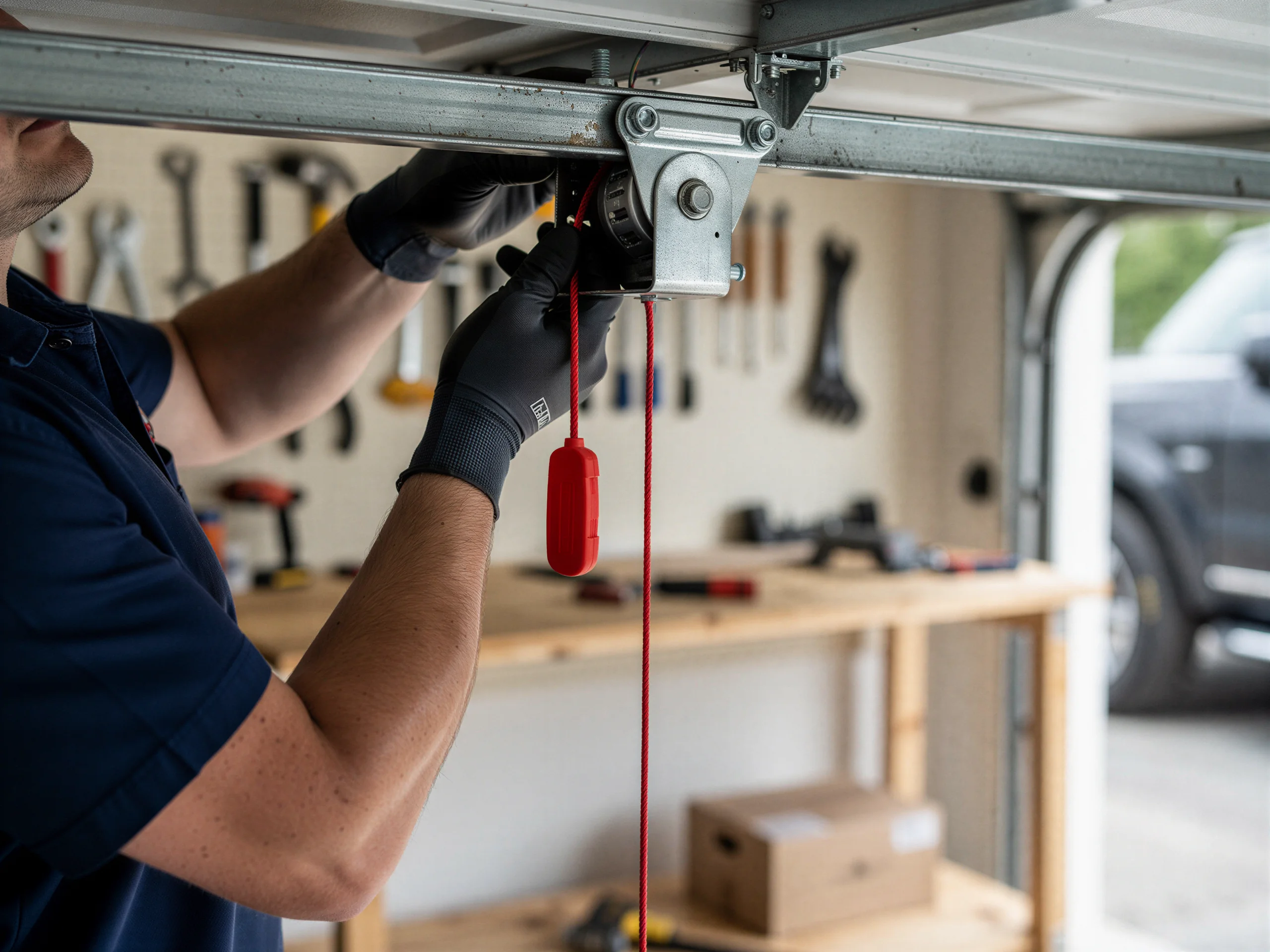
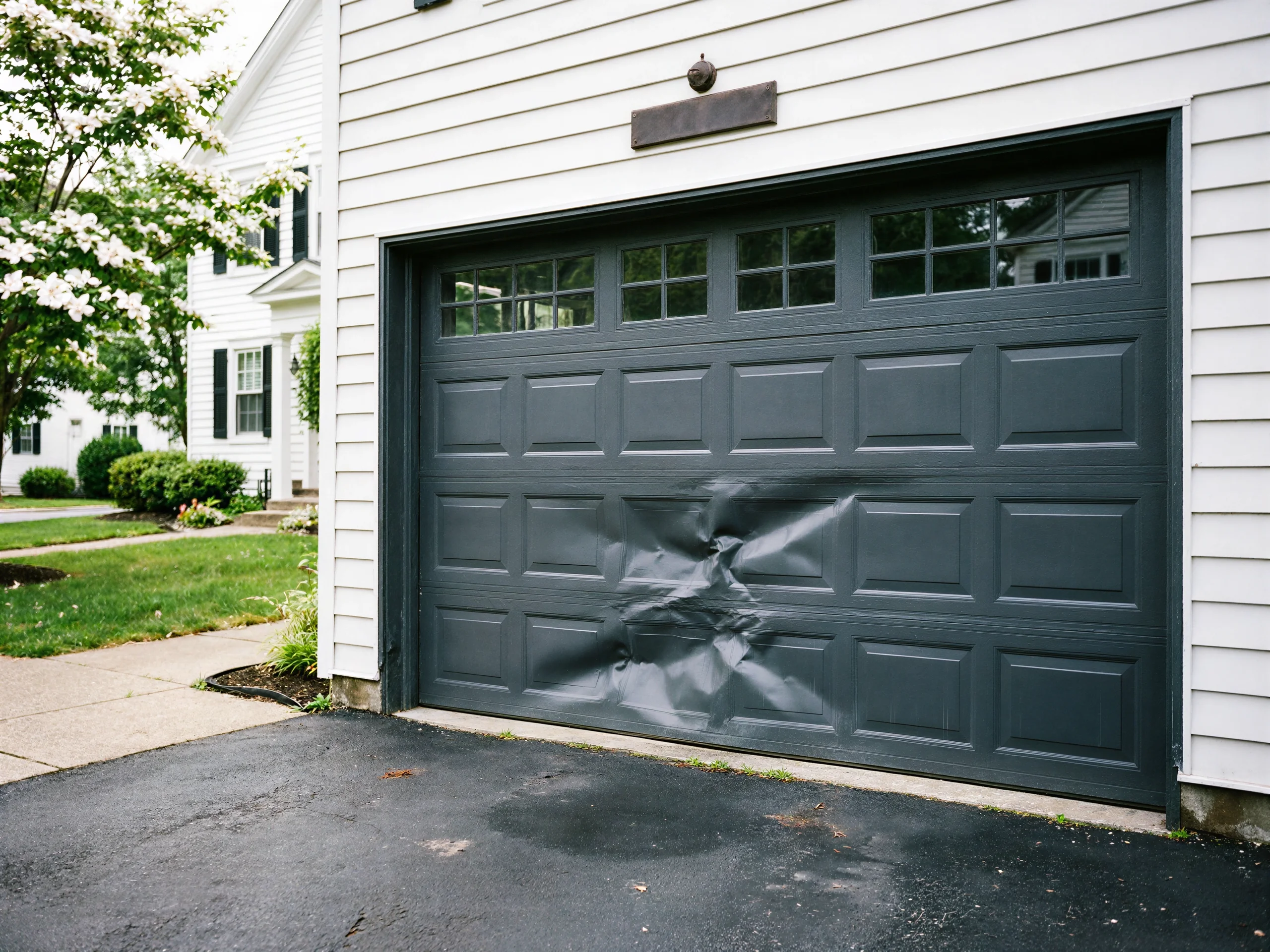
Door impact
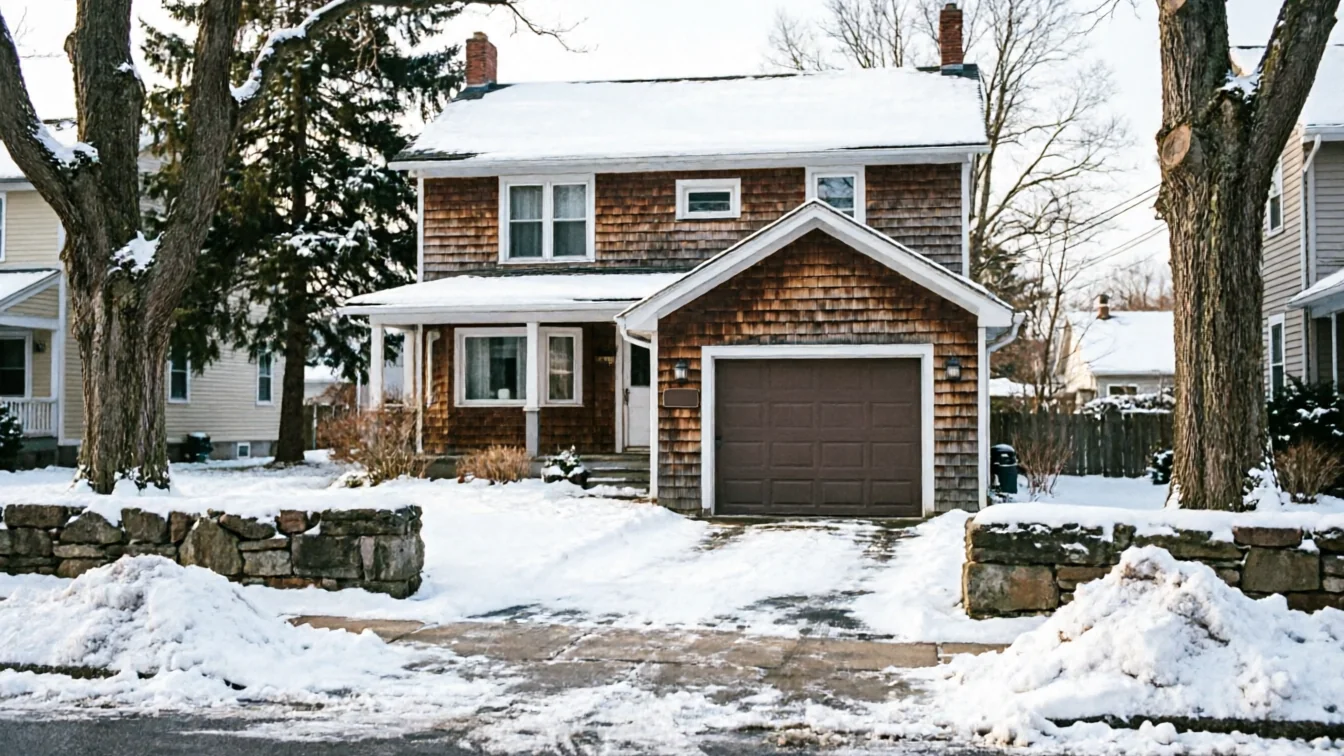
Rome's housing stock runs a bit newer than what you'll find closer to Utica. The median year built here is 1954, about six years past the service area's overall median of 1948. That gap matters more than it sounds. A house built in 1954 almost always got a steel sectional door instead of the old wood one-piece slab, and it likely came with extension springs mounted along the horizontal track rather than a torsion bar over the opening. If your house in Rome still has its original hardware, you're probably dealing with extension springs that have outlived their rated cycle count, worn pulleys, and track brackets that were never built for a heavier insulated replacement door. That's a different repair than what we see on the oldest streets closer to Utica, where torsion setups and wood jambs are more common.
We still see plenty of pre-1960 construction around Rome, since it falls inside the broader pattern of 34 mostly pre-1960 areas across the service territory. But the specific hardware generation here skews toward that early-to-mid 1950s build-out, and that's what we come prepared for.
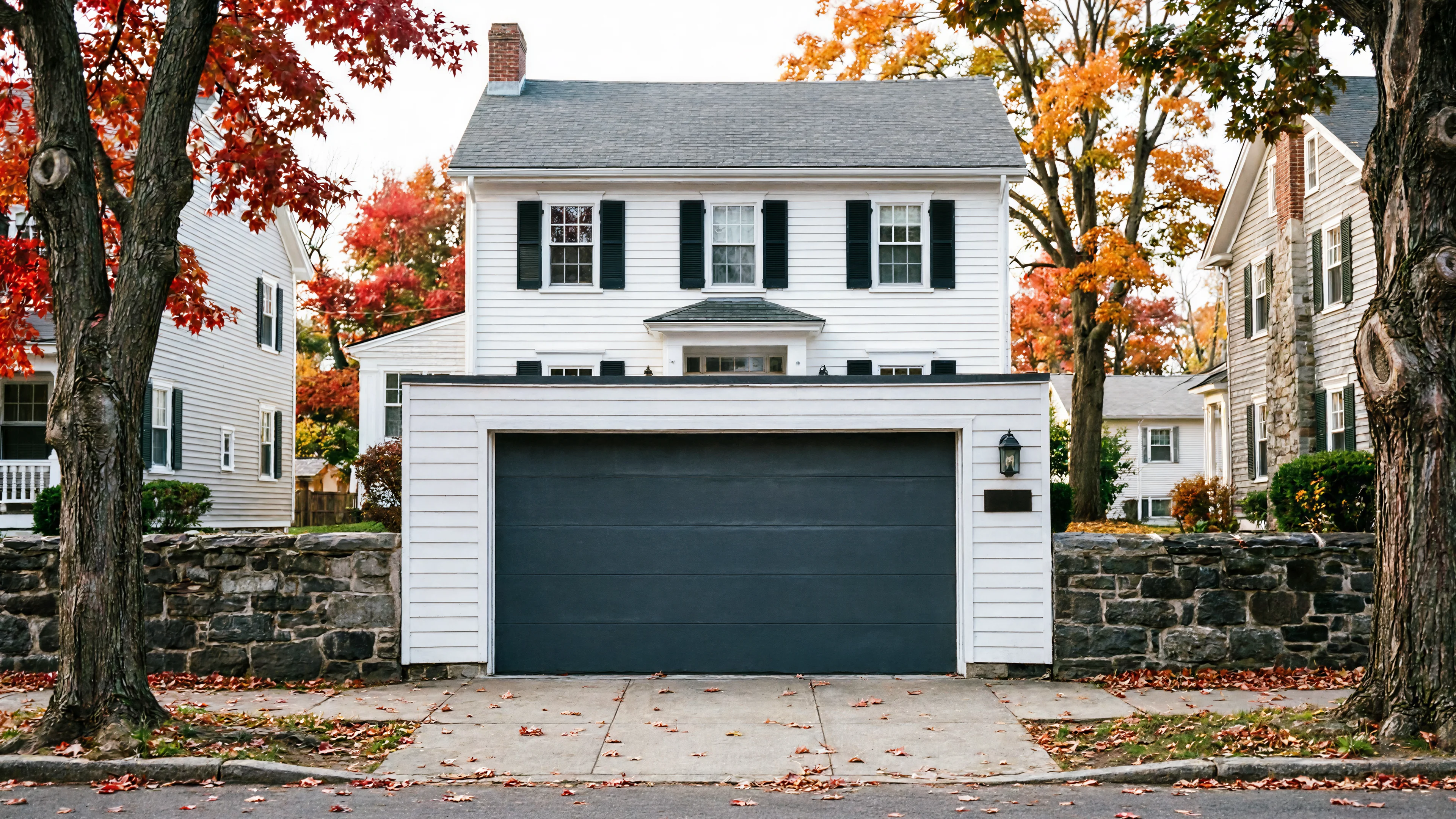
Local housing
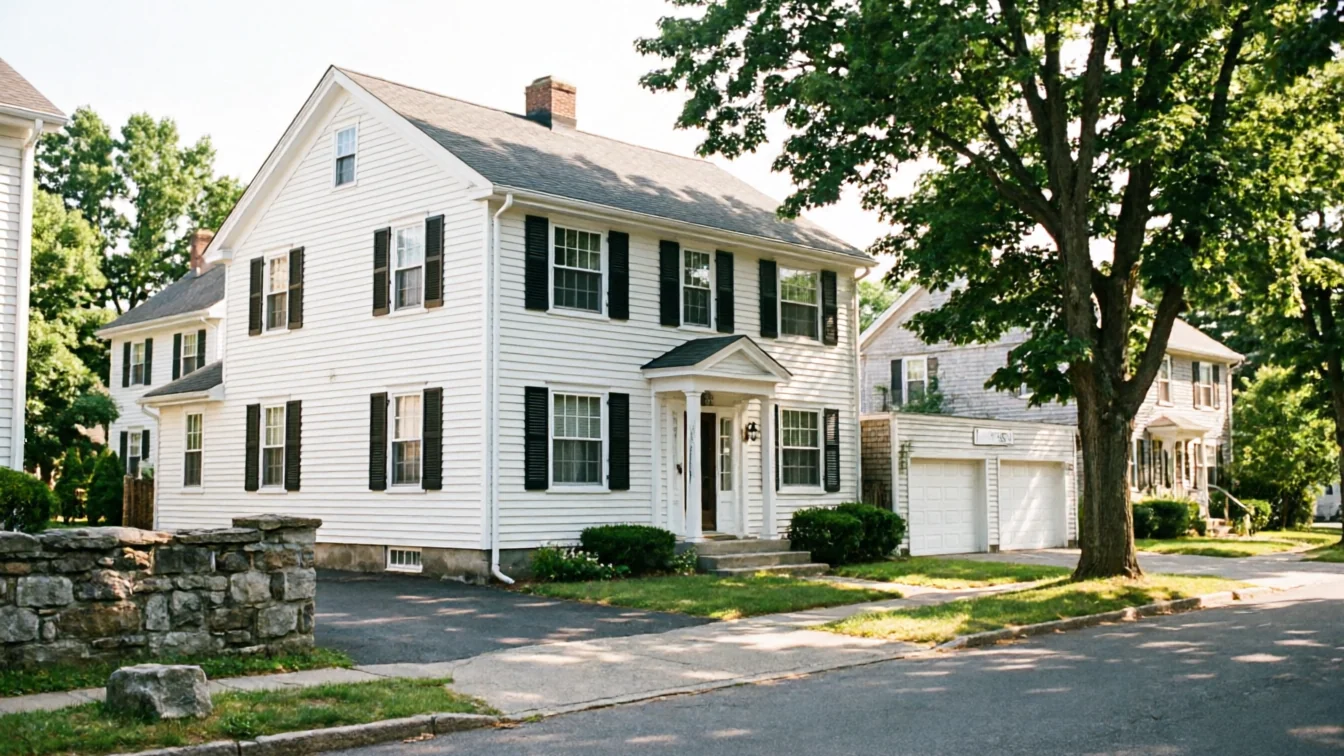
Rome sits inside a service area of 54,294 households and 24,296 owner-occupied houses, and locally the city carries about 13,859 households with a median income around $58,857. That income figure runs below the area-wide median of $68,425, which tends to show up in how long people keep an original door and opener running instead of replacing it outright. We see more repair calls here relative to full replacements than in some of the higher-income pockets of the territory.
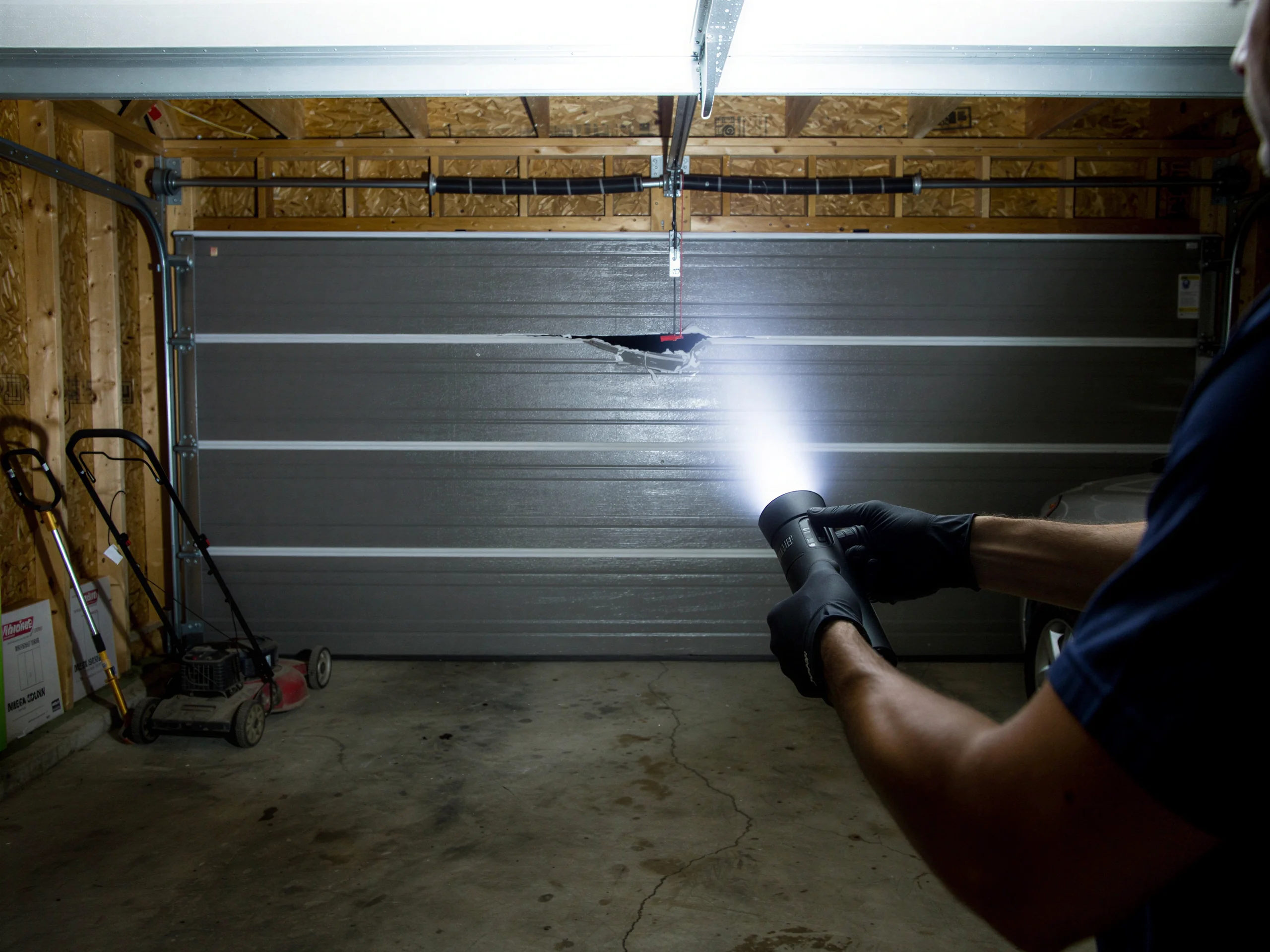
The climate band for this whole region is classified cold and severe, and a 1954-era steel door with no insulation and a worn bottom seal lets a lot of winter air into an attached garage. That's not a Rome-specific weather event, it's the same cold-band classification that covers the whole territory, but combined with the age of the housing stock here, it's a common reason we get called out: a door that used to close fine suddenly won't seat right once temperatures drop and the slab panel contracts against a track that's slightly out of plumb from age.
Old vs new homes
Rome is about 16 miles from our base in Utica, which puts it on the outer edge of how far we regularly travel for calls.
We also cover the towns in between and around it, including Westmoreland (9 miles), Vernon (16 miles), Verona (18 miles), and Sherrill (19 miles), so a Rome job often falls on the same route as a stop in one of those towns.
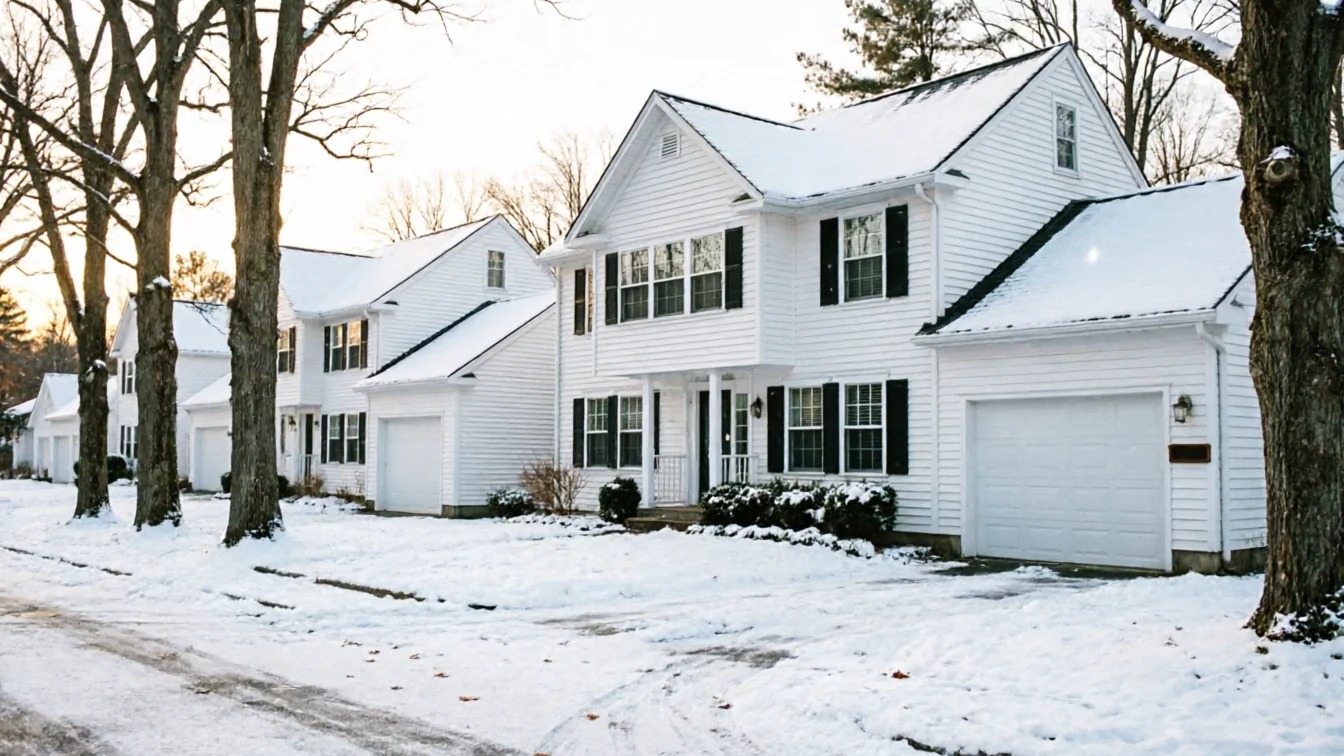
Within Rome itself, the age split is pretty visible if you know what to look for: the closer-in, older sections tend to have the original narrow driveways and single-car garages built for the smaller cars of the 1950s, which means a replacement door often has to work with an opening that's shorter and narrower than today's standard sizes.
Newer construction on the edges of town gets the modern 7-foot door openings without much fuss. We don't have a records breakdown of which exact blocks fall into which category, so we size up the opening on site rather than guessing from an address.
Response times
We travel to Rome from Utica, about 16 miles each way, so we're not sitting around the corner the way a locally-based shop would be.
We don't have a fixed response-time figure to quote you, and we're not going to make one up just to sound reassuring. What we can tell you is that we route Rome calls with the other towns along that stretch - Westmoreland, Vernon, Verona - so if we're already headed that direction, we can often work a Rome stop into the same day.
One honest limitation: if your opener or springs are an older or less common size, especially on a house built before the 1950s standard sectional widths became common, we may need to order a part rather than carry it on the truck.
That adds a day or two versus a straightforward swap of a modern 16x7 door. We'd rather tell you that up front than promise a same-visit fix we can't guarantee.
Service areas
Questions
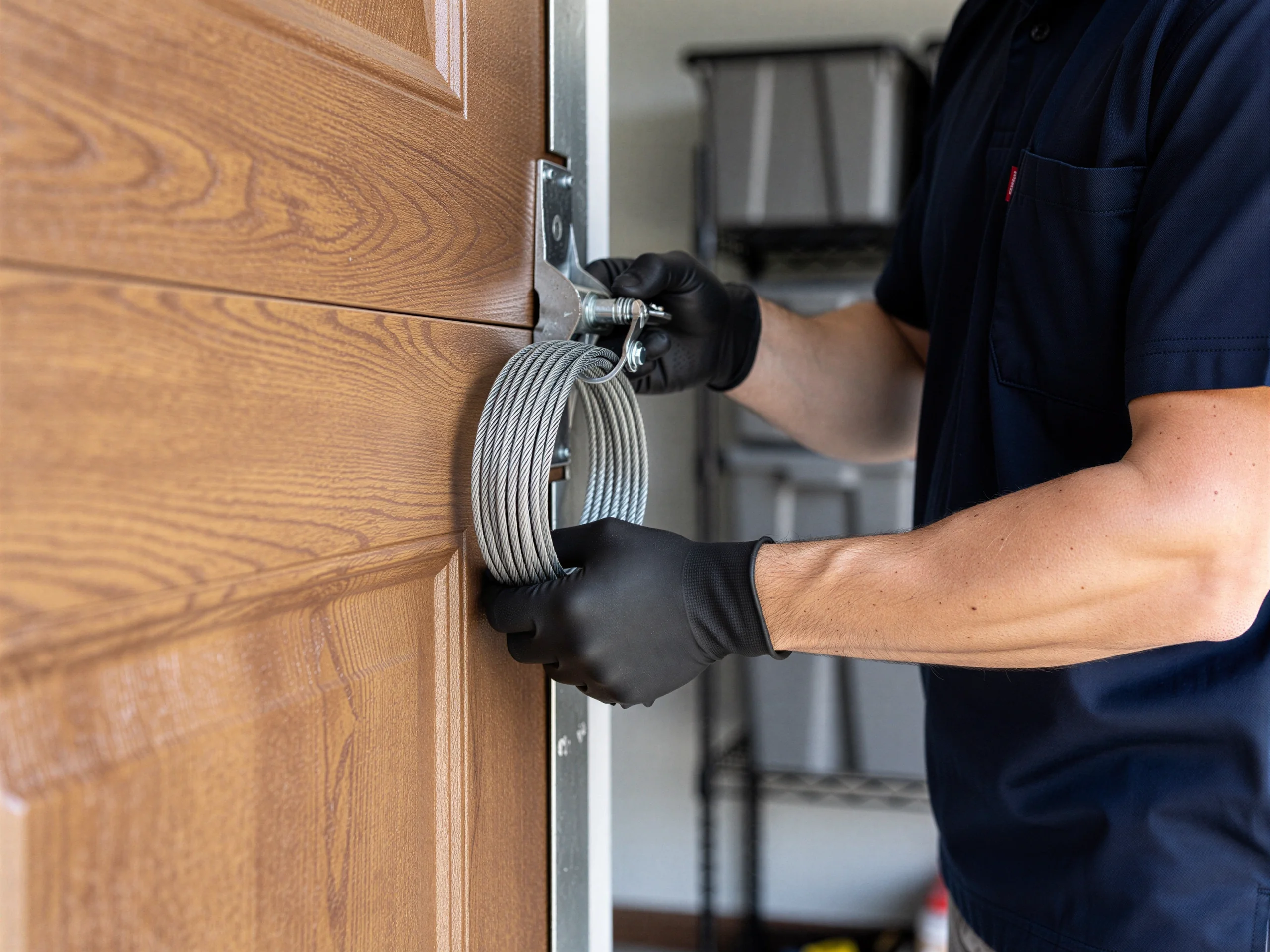
Houses built around 1954, which is the median build year in Rome, mostly got extension springs mounted along the horizontal tracks rather than the torsion bar systems that came standard later. Extension springs have a different failure pattern and need separate safety cables, which older installs often lack.
About 16 miles. We cover Rome as part of a wider service area that also includes closer towns like Westmoreland and farther ones like Verona and Sherrill, and we often route multiple stops on the same trip out that way.
Not always without adjustment. A lot of garages in Rome's older sections were built for narrower, shorter cars than what's on the road now, so a standard modern door sometimes needs a reframed opening. We check the actual opening on site before quoting anything.
We carry common parts, but less common spring sizes or opener models from older installs sometimes have to be ordered. That can add a day or two to the job, and we'll tell you up front if that's the case rather than guess.
Ready when you are
Utica Garage Door Pros repairs and installs garage doors, springs and openers in Utica, NY and the surrounding area.