What It Costs
We can't post a single number here because your install cost depends on what's actually bolted to your house right now, and in Utica that varies more than people expect.
Framing built for other doors
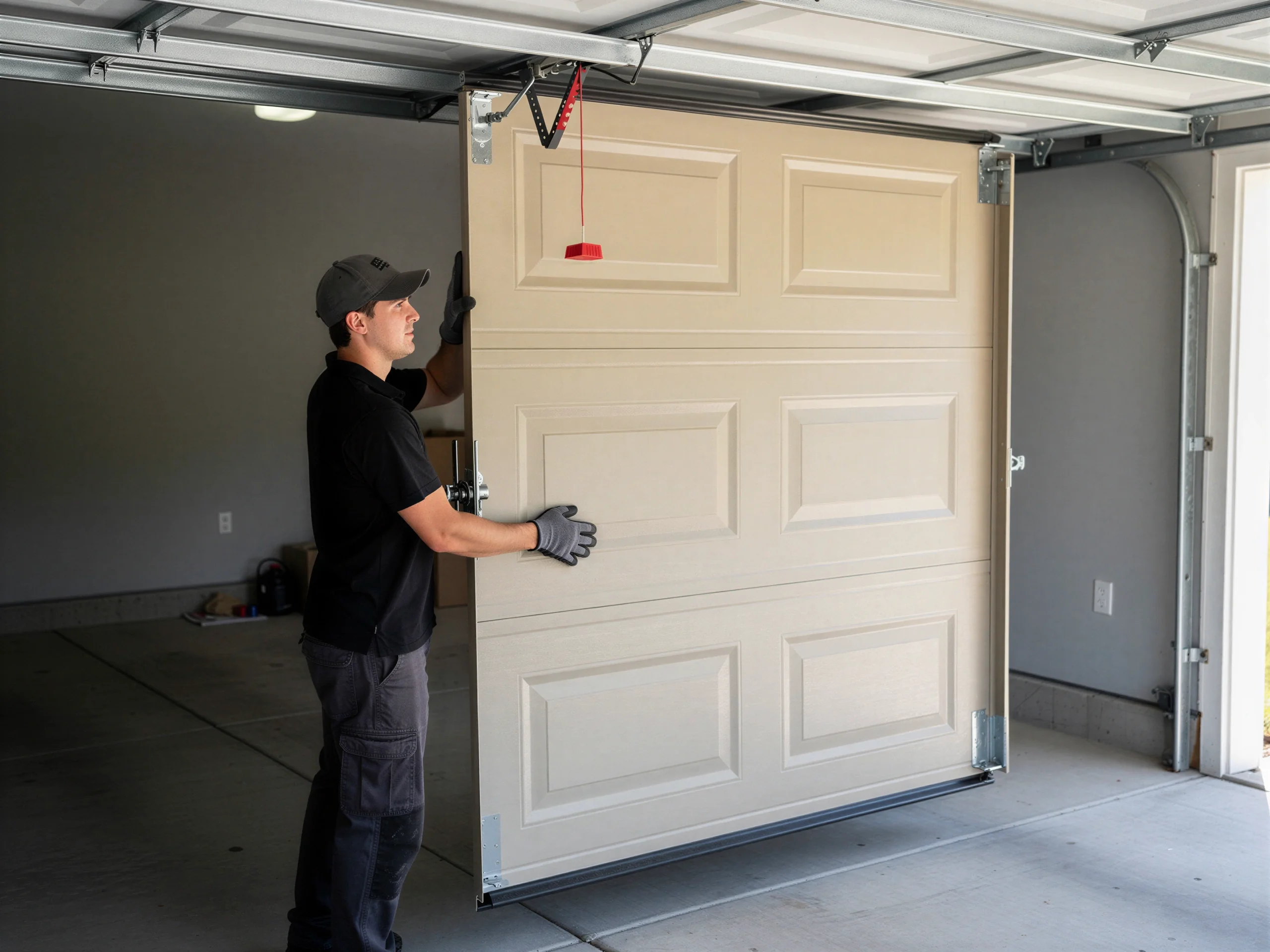
A big share of the housing in this service area went up between 1938 and 1989, with a median build year around 1948. That means a lot of garages were framed for a door size and track style that nobody sells anymore, so an installer first has to figure out whether the opening, the header, and the track clearance match a standard modern door or need custom framing work.
Cold-climate install costs
Homes closer to that 1948 median tend to need more adjustment at the jamb and header than homes built later in that range. On top of that, a cold-climate install (and this area sits in a severe cold band) usually calls for a better door seal, insulated panels, and weatherstripping rated for sustained low temperatures, which adds to material cost versus a mild-climate swap.
Measure before quoting
We'll give you a real number after we see the opening, the existing track, and the wall condition - not before. One honest limitation: if your framing is out of square from decades of settling, that's extra labor we can't quote sight unseen.
How Long You Are Without the Door
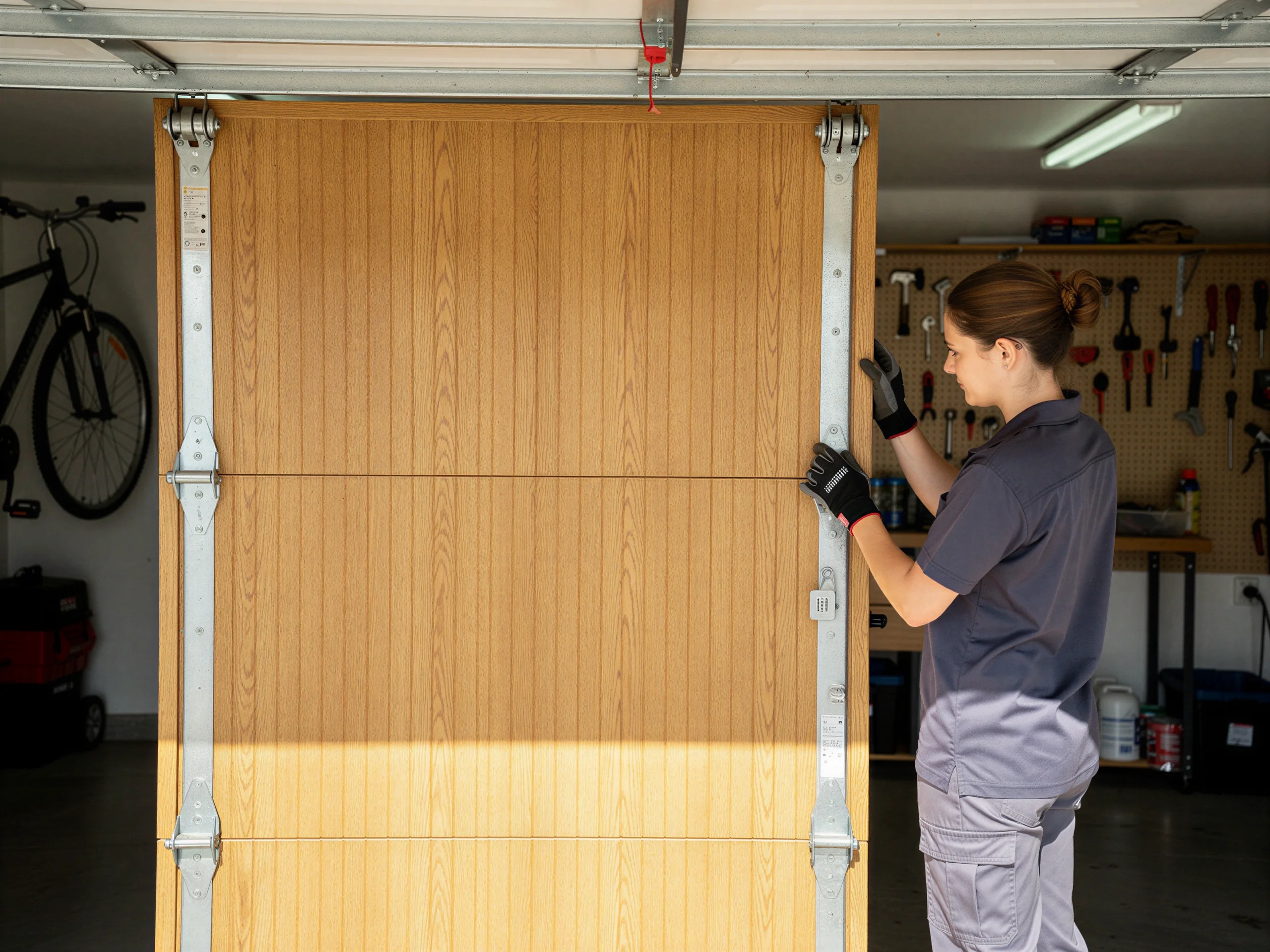
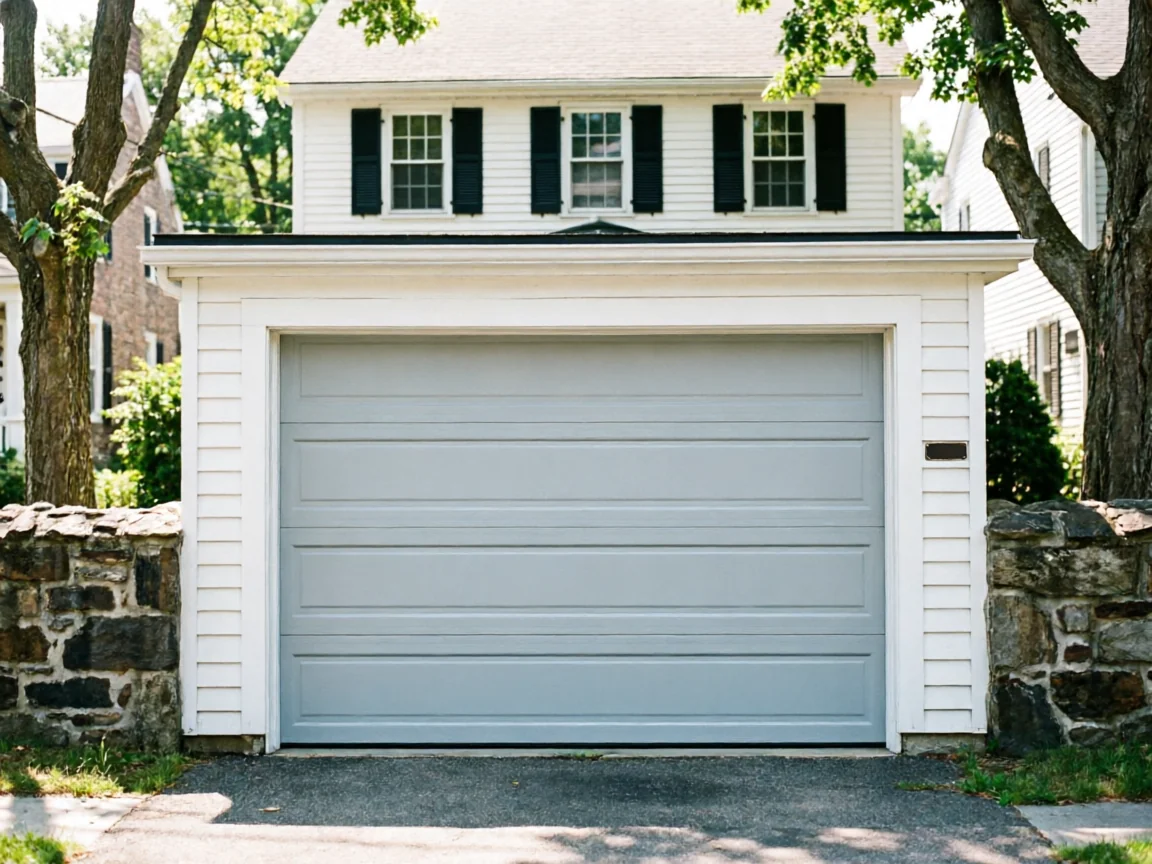
The honest answer is it depends on what's behind your current door, not just what you're putting in. On pre-1960 construction, which covers most of the housing stock in this service area, removal often takes longer than the install itself because the old track is lag-bolted into framing that wasn't built with a torsion spring system in mind. If your opening needs reframing to accept a standard modern door, you're looking at more than a same-day swap. If the opening already matches standard sizing, the door-out-to-door-in window is much shorter. We don't post a blanket turnaround time on this page because it's the one variable that genuinely changes house to house - we'll tell you after the walkthrough, not before.
What Causes It Around Here
The failure patterns we see tie directly to two things: age of the housing stock and the cold. With a median build year of 1948 and most of the stock across the 34 named areas we cover predating 1960, a lot of garages still have original or first-replacement hardware that was never designed for today's heavier insulated panels. Original tracks and jambs flex under loads they weren't sized for, which shows up as binding, misaligned rollers, and seals that never sat right to begin with. Then the severe cold band this area sits in adds a second layer: steel contracts, old weatherstripping that was already marginal hardens and cracks, and panels that were fine in October start binding on the track by January. The combination - old framing plus hard winters - is why a straight swap-in job here so often turns into a framing and track correction instead.
How It Shows Up
On older stock, it usually starts small: the door hesitates a few inches off the floor, or one side drags before the opener catches up and forces it the rest of the way.
Track alignment drift
That's the track and jamb telling you the alignment has drifted, which happens faster in homes built before 1960 because the framing has had more decades to settle.
Stiff doors in winter
In winter specifically - and this area gets genuinely severe cold - you'll notice the door feels stiffer first thing in the morning, or the bottom seal looks compressed and torn where it used to sit flush.
Framing out of square
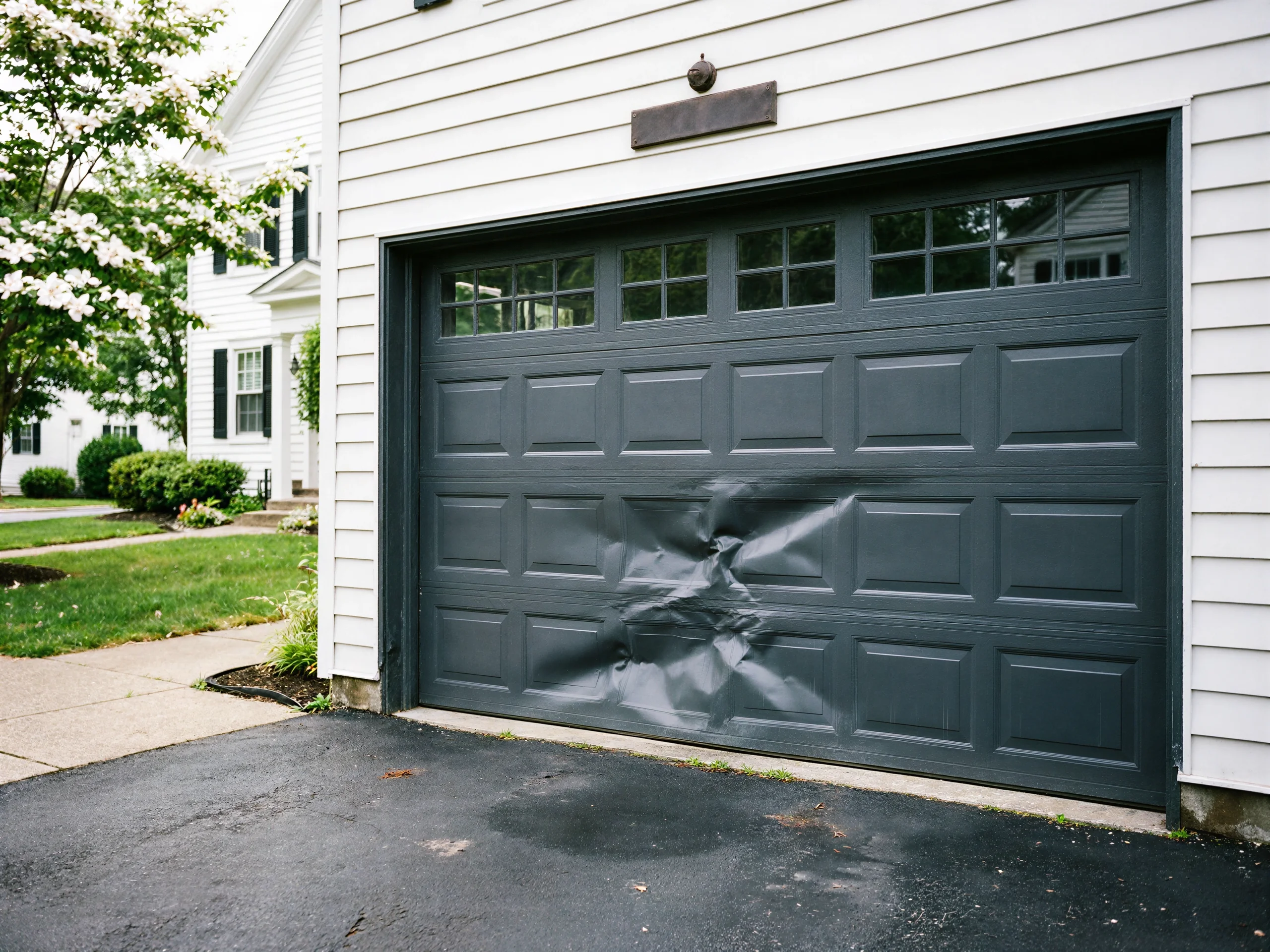
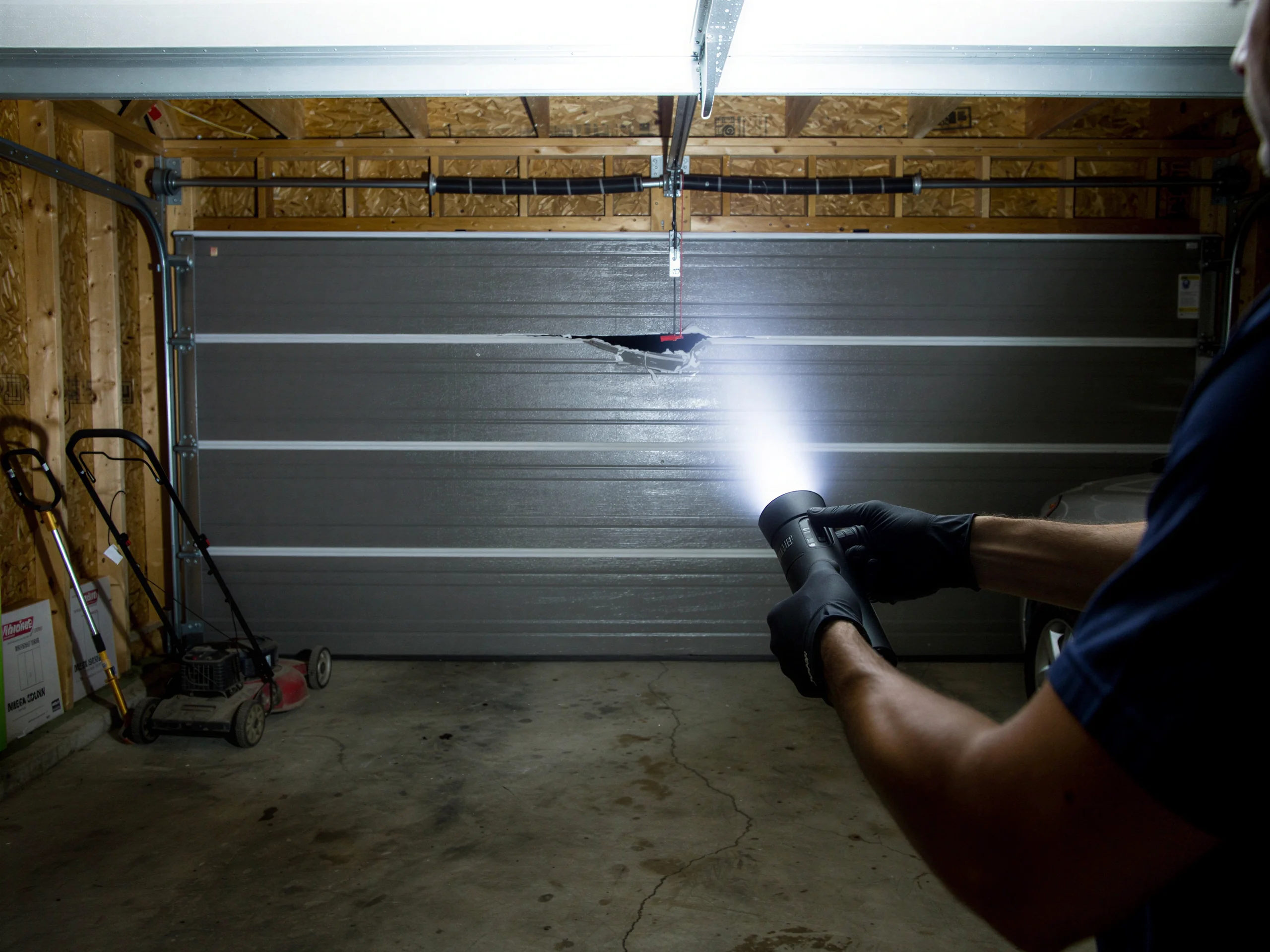
By the time a panel visibly sags or the door won't seat flush at the floor, the opening itself may no longer be square, which is a framing problem, not just a door problem. Catching it at the hesitation stage, before the cold makes it worse, is cheaper than catching it at the sag stage.
Talk to a local pro
Garage door service in Utica?
Same-day service with honest, upfront quotes.