 What a Utica Garage Door Actually Needs
What drives garage door repair and replacement costs in Utica's pre-1960 housing stock, what to check first, and how severe winters wear on old doors and hardware.
BlogUtica, NY · 3 min read
Garage Door Work for Utica's Older Housing Stock
Utica garage door repair built around what's actually out there: pre-1960 housing stock, original hardware, and a climate that works doors hard all winter.
Local detail
What It Costs
We're not going to list prices here, because what a job costs depends on what's actually installed, and in Utica that varies more than people expect. A house built in 1948 - the median age for this area - often still has its original torsion hardware, sometimes even the original door. Parts for that setup aren't the same parts a 2010 build uses, and tracking down the right spring or roller for an older system can take longer and cost more than swapping a standard modern part. On the other side, if a panel's rusted through or the track is bent past straightening, replacement usually beats repair even if the sticker number is higher up front. We'll tell you straight which situation you're in before we quote anything. One honest limit: if a part is obsolete enough that it has to be special-ordered, we can't promise a same-week turnaround on it - that's outside our control, not a sales tactic.
The area
The Situation
Across the 34 named areas we work in, most houses went up between 1938 and 1989, with the midpoint sitting around 1948. That means a lot of garage doors in this area are original or close to it - wood panel doors on exposed torsion springs, steel doors from before insulated cores were standard, openers that predate rolling-code remotes. With 24,296 owner-occupied houses out of 54,294 households in the service area, and a median household income of $68,425, a lot of people here are weighing repair against replacement on a budget, not chasing the newest thing. That's the actual situation: old hardware, real winters, and homeowners who want the door fixed right, not upgraded for its own sake.
What we find
What to Look At First
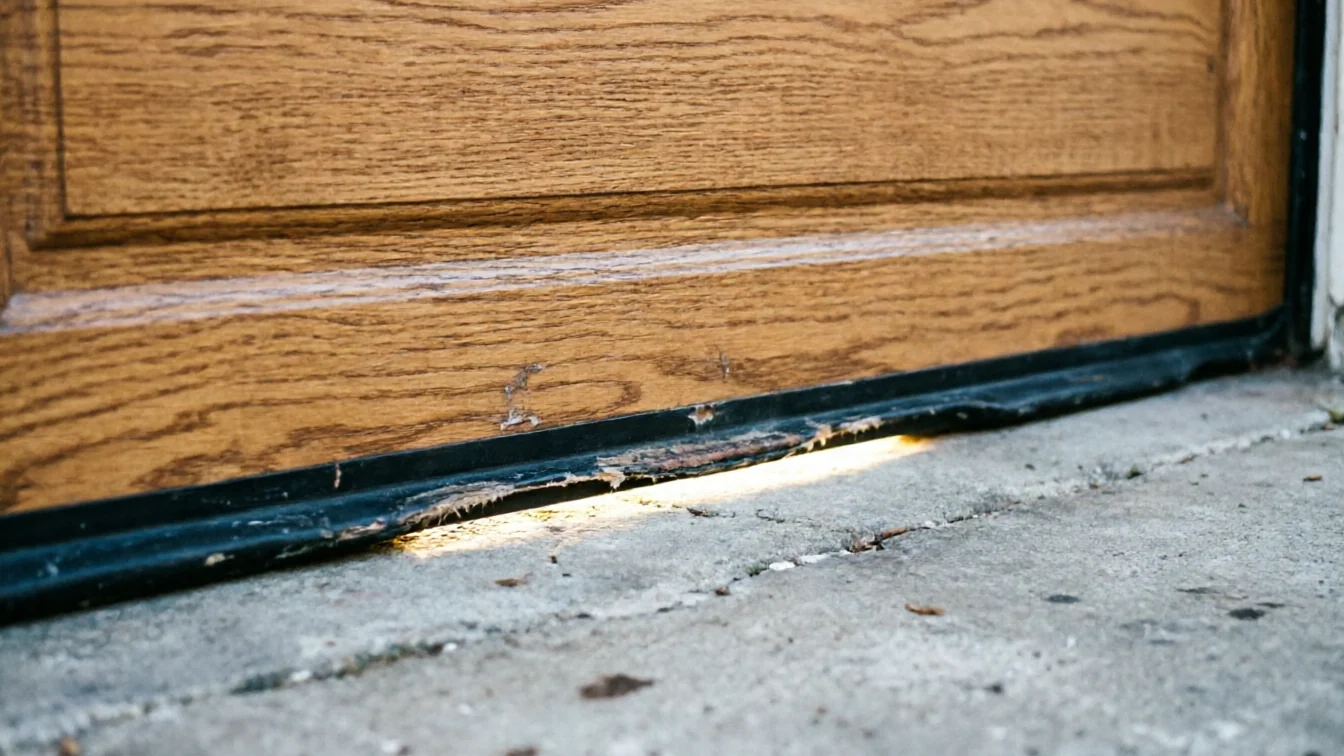
If your door's from the 1948 era or close to it, start with the spring. Original torsion springs on houses this age have had seven decades of cold-season cycling, and a spring that's lost tension will show up as a door that won't stay open halfway or an opener straining on lift. Next, check the track mounting - older houses often used lighter brackets than current code calls for, and over time those loosen. Last, look at the bottom panel seal. On a door this old it's probably been replaced once or twice already, and a cracked or flattened seal is an easy thing to miss when everything else looks fine. These three spots cover most of what actually fails on pre-1960 doors in this area, and checking them in that order saves a wasted service call.
How we work
What the Weather Here Does to It
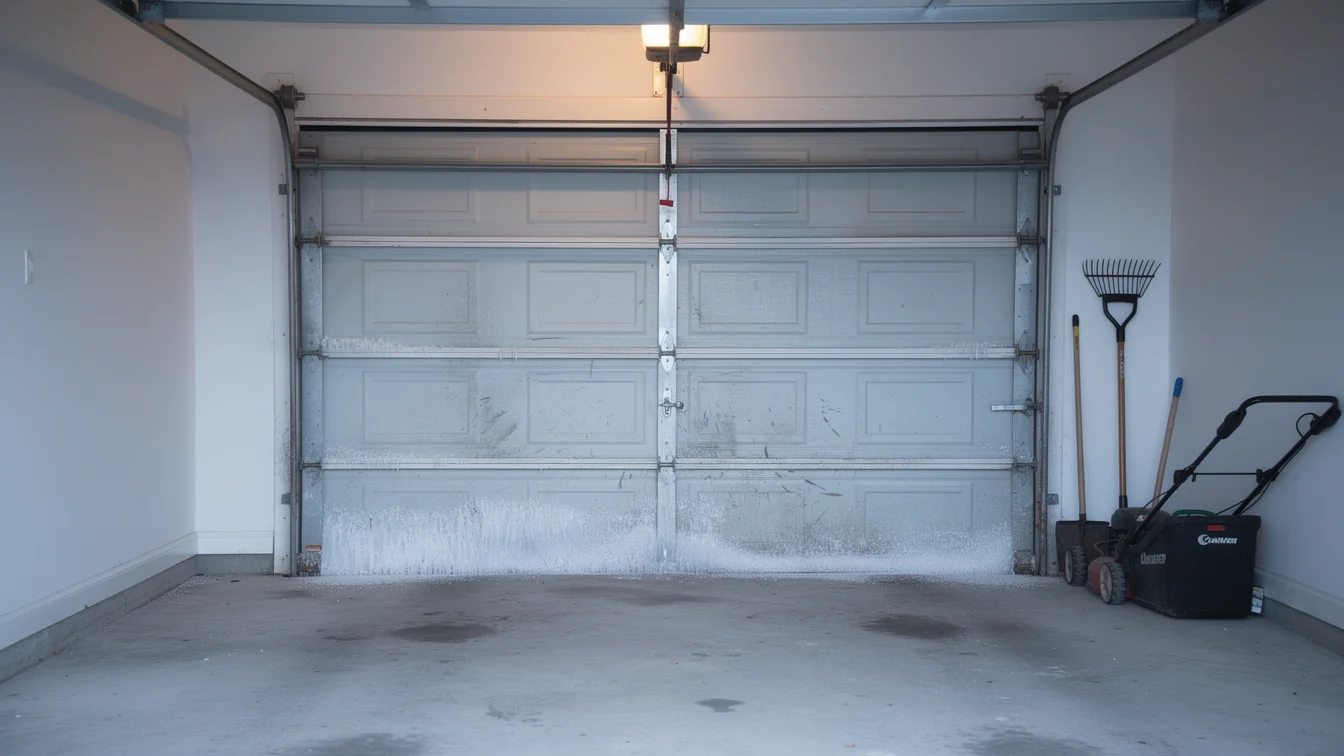
This area sits in a severe cold climate band, and that matters more for a door than people think. Steel contracts in deep cold, which tightens tolerances on tracks and rollers that were already worn from decades of use. On the original or near-original doors common across this area's pre-1960 housing, that contraction is enough to turn a slightly bent track from a non-issue into a door that binds or jumps the roller on the coldest mornings of the year. Weather seals and draughts are a related problem - a seal that's fine in July can shrink and gap in January, letting cold air and moisture into the garage, which on an older steel door accelerates rust at the bottom panel. None of this is dramatic failure, it's slow wear that shows up fastest on houses built when this neighborhood's housing stock went up.
Questions
Common questions
My house was built in the late 1940s. Should I expect the original garage door hardware?
It's common. Median housing age across this service area is 1948, and a lot of those houses never had their torsion hardware swapped out. If your door still has the original springs and track brackets, parts can be harder to source than for a newer system, which is worth knowing before you call around.
Why does my door act up specifically in the coldest part of winter?
This area sits in a severe cold climate band, and steel hardware contracts in deep cold. On older tracks and rollers that already have decades of wear, that contraction is often what turns a minor misalignment into a door that binds or jumps track on the coldest mornings.
Is it worth repairing an old door or should I replace it?
Depends on what's failing. A worn spring or seal on an otherwise sound door is usually worth fixing. A rusted-through panel or a track bent past straightening usually isn't - replacement ends up cheaper over time. We'll tell you which one you're looking at before quoting anything.
Recommendation
You Might Also Like
More garage door guides for Utica homeowners.
What a Utica Garage Door Actually Needs
What drives garage door repair and replacement costs in Utica's pre-1960 housing stock, what to check first, and how severe winters wear on old doors and hardware.
 What Openers and Power Cuts Really Mean for a Utica Garage Door
Why Utica's pre-1960 housing stock and cold winters make opener failures and power cuts different here, plus what actually drives repair cost in this service area.
 What's Worth Fixing on an Older Utica Garage Door
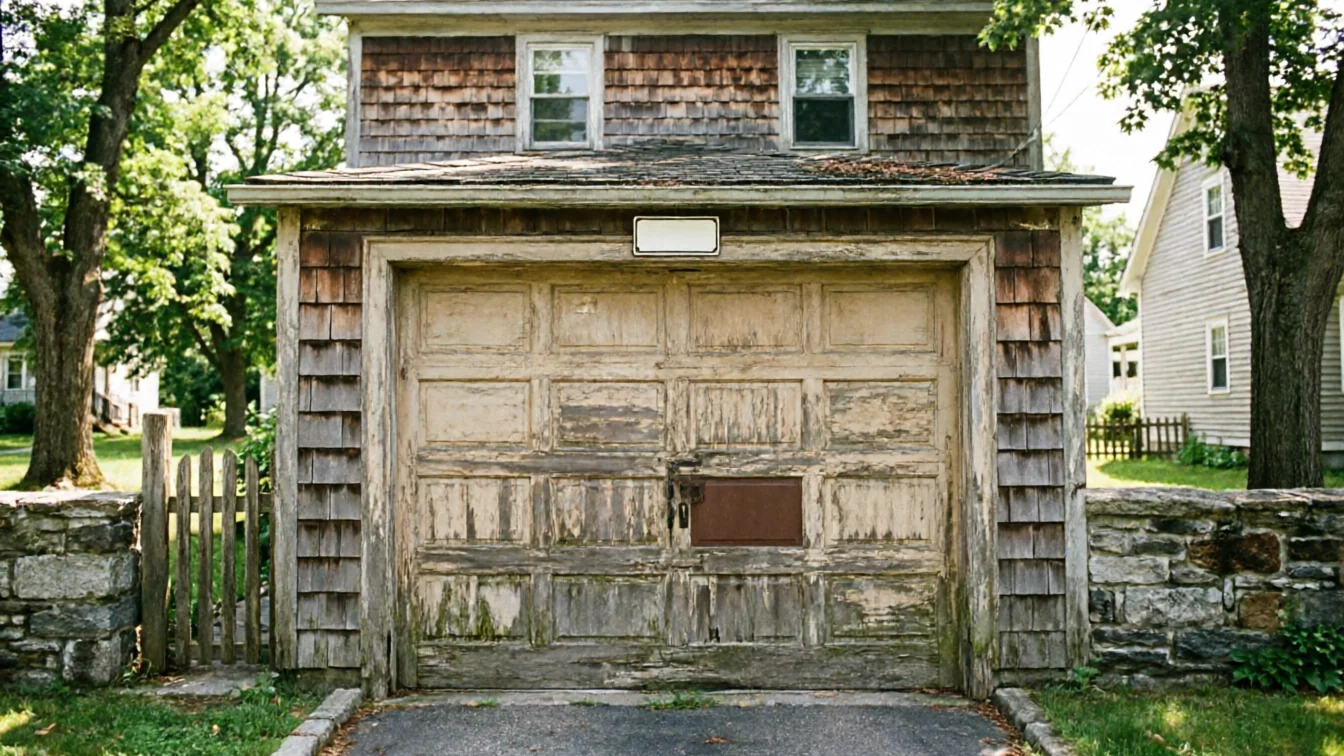
Utica's housing stock dates mostly to the late 1940s, so many garage doors are original.
Ready when you are
Need a garage door sorted in Utica?
Utica Garage Door Pros repairs and installs garage doors, springs and openers in Utica, NY and the surrounding area.
Certified Experts
Quality Assured