
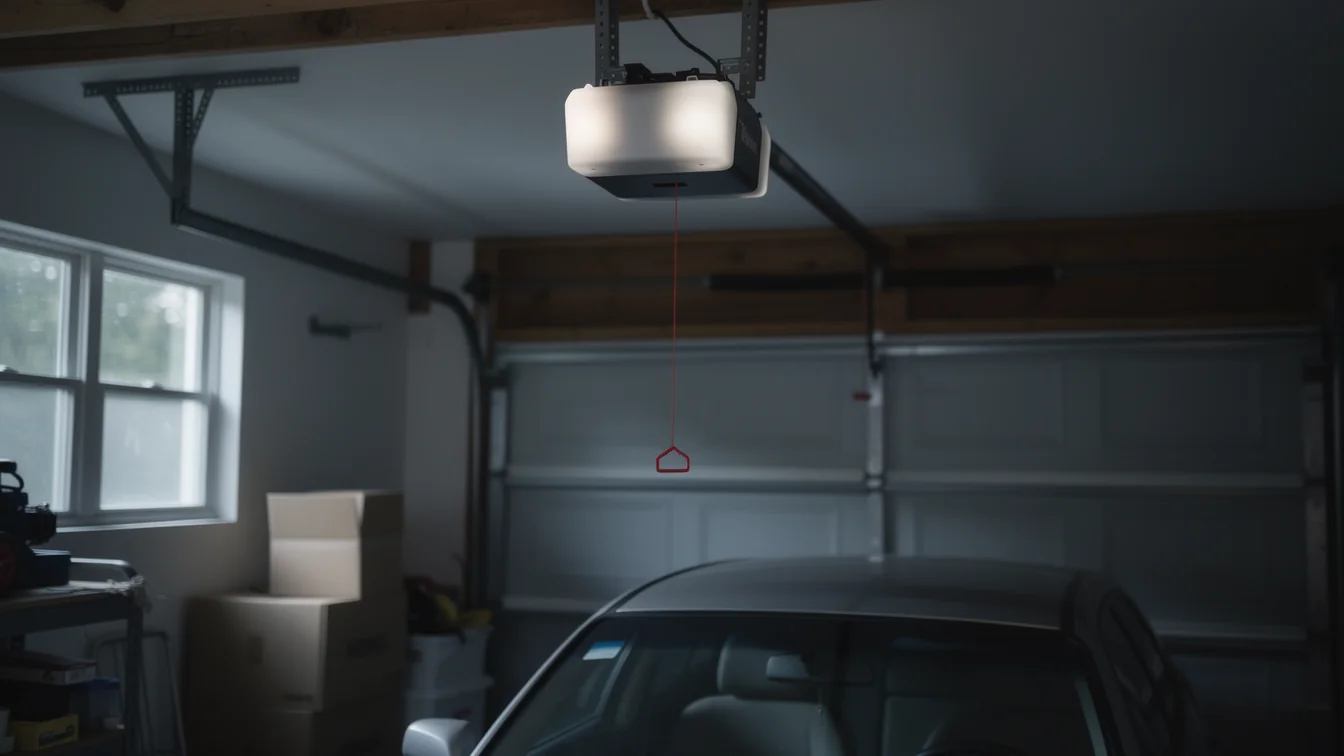
 What Openers and Power Cuts Really Mean for a Utica Garage Door
Why Utica's pre-1960 housing stock and cold winters make opener failures and power cuts different here, plus what actually drives repair cost in this service area.
BlogUtica, NY · 5 min read
What a Utica Garage Door Actually Needs
What drives garage door repair and replacement costs in Utica's pre-1960 housing stock, what to check first, and how severe winters wear on old doors and hardware.
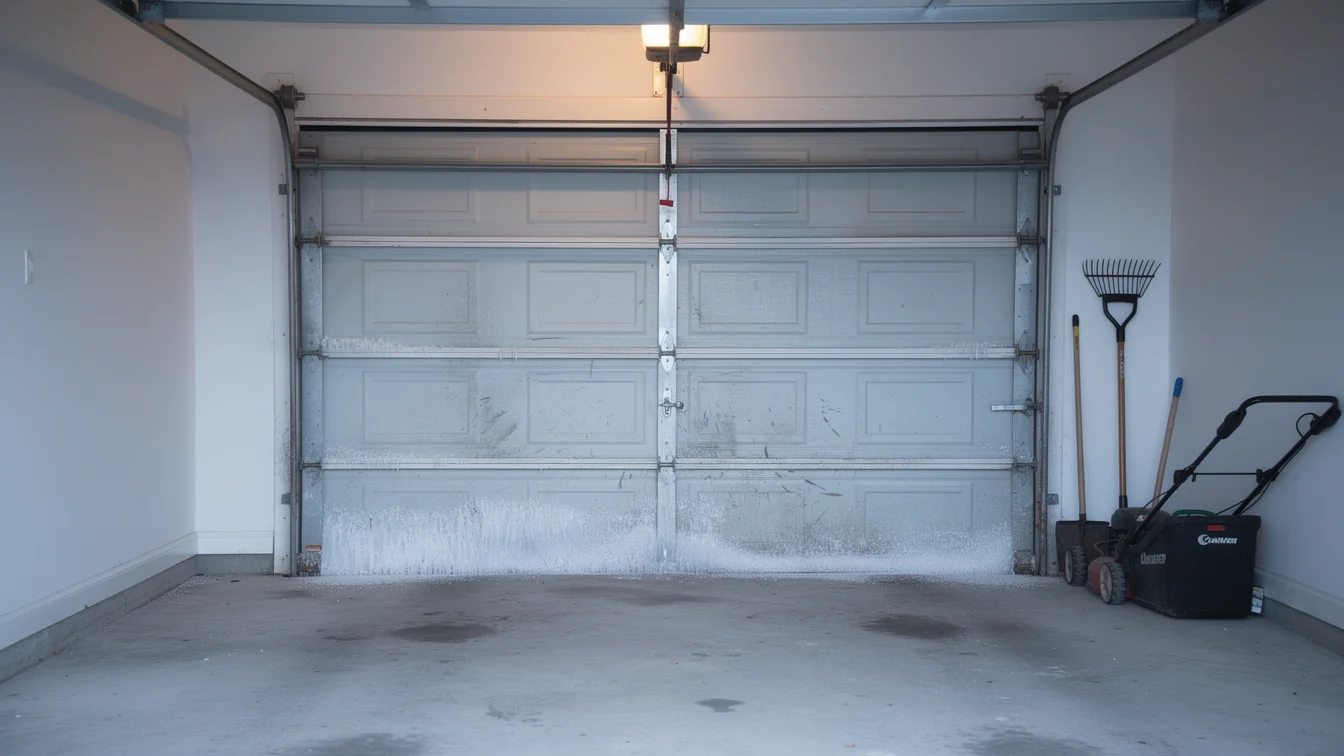
Local detail
What It Costs
We can't quote a number here without seeing the door, and anyone who does is guessing. What we can tell you is what moves the price up or down in this area specifically. Most of the houses we work on were built between 1938 and 1989, with the median landing around 1948. A door that old usually isn't a simple roller swap - the track is often undersized for modern openers, the jamb is built to measurements nobody uses anymore, and the opening itself may need reframing before a new door fits square. That adds labor time a newer house wouldn't need. On the other end, across the 34 named areas we cover, the housing stock mostly predates 1960, which means a lot of original hardware that was never designed to be serviced - it was designed to be replaced once, decades ago, and never touched again. With a median household income of $68,425 across the service area, most of our calls are repair-first: fix what's there, replace only the part that failed, and leave the rest alone unless it's clearly on its way out too.
Our honest limit: if a door's track, jamb, and opener are all original to a 1948-era build, patching one piece rarely buys you more than a year or two. At some point replacement is the cheaper call, even if it's the harder one to hear.
The area
The Situation
Utica's housing didn't come up in one wave. The span runs 1938 to 1989 with a median around 1948, and the service area covers 34 named communities where the stock mostly predates 1960. That matters more for garage doors than almost any other part of the house, because a garage door and its opener are one of the few assemblies that get touched by every renovation trend that's passed through in 70-plus years - steel doors bolted onto wood jambs, chain-drive openers retrofitted onto hardware that predates openers entirely, torsion springs added later to doors that were originally lift-only.
Of the 54,294 households in the area, 24,296 are owner-occupied houses, and a good number of those are still running some version of what came with the house, patched along the way rather than replaced outright. That's not a criticism - it's just what happens when a door still basically works. The problem shows up when one of those patched systems finally lets go all at once: a spring that's been carrying extra load because the opener was swapped but the spring wasn't, or a track that's been bent and rebent until it's holding on by habit. We see that pattern often enough here that it's worth checking before it becomes a call at 7am on a Monday.
What we find
What to Look At First
Start with the spring, not the opener. On a door from the 1938-1989 build range, the torsion or extension spring is almost never the original - it's been replaced once, maybe twice - but the mounting hardware around it often is original. Look for rust streaking down the wall behind the spring bracket, or a bracket that's visibly pulled away from the header even slightly. That's a sign the lag bolts are working loose in wood that's been through 70-plus years of temperature swings.
Next, check the track alignment by standing to the side while the door runs, not the front. Older houses in this area frequently have garages that were framed before anyone anticipated a torsion-spring system, so the vertical tracks sit slightly out of plumb from the start - not from damage, from the original build. A track that's been slowly forced straight by the rollers for decades will eventually bind.
Last, the cable drums. On pre-1960 stock, cable drums are often undersized for a door that's been reinforced or re-skinned since. If the cable looks like it's riding close to the edge of the drum rather than centered, that's wear from a mismatch, not a one-time accident, and it's worth having someone look before it jumps the drum entirely.
How we work
What the Weather Here Does to It
The climate band here is cold-severe, and that shows up in garage doors in a specific, repeatable way: steel panels and springs contract in deep cold, and anything that was already a little loose - a hinge screw, a bracket lag bolt, a drum set screw - finds the slack it needs to shift. On a door from the 1938-1989 era, where a lot of that original hardware has never been retorqued, cold snaps are when problems that have been building quietly for years finally show themselves.
The other pattern we see is spring fatigue accelerated by temperature swing rather than just cycle count. A spring rated for a certain number of open-close cycles loses tension faster when it's cycling through a wide temperature range than when it sits in a stable garage. In a cold-severe climate, that's every door, every winter, whether the garage is heated or not - the spring itself sits exposed to the outside wall temperature regardless.
We don't recommend lubricants that gum up below freezing - some of the heavier greases marketed for garage doors do exactly that here. A light, cold-rated lubricant on rollers and hinges before the first hard freeze does more than most of what gets sold as a winter tune-up package.
Questions
Common questions
Why does my garage door get harder to open in January?
Cold contracts steel, and in a cold-severe climate that affects the door panel, the track, and the spring itself. If your door is original or close to it - common in this area's 1938-1989 housing stock - hardware that's been loosening slowly all year tends to show itself the first hard freeze.
Is it worth repairing a door from a house built in the 1940s or 50s?
Often yes, if the track and jamb are still sound - we replace the failed part and leave the rest. But across the pre-1960 stock common in this area, we do see doors where the opening itself needs reframing, and at that point repair stops being the cheaper option.
How do I know if my spring hardware is original to the house?
Rust streaking behind the bracket, lag bolts that look hand-painted over rather than replaced, or a bracket sitting slightly proud of the header are all signs. Given the median build year here is around 1948, original bracket hardware is common enough that it's worth a direct look rather than an assumption.
Recommendation
You Might Also Like
More garage door guides for Utica homeowners.
What Openers and Power Cuts Really Mean for a Utica Garage Door
Why Utica's pre-1960 housing stock and cold winters make opener failures and power cuts different here, plus what actually drives repair cost in this service area.
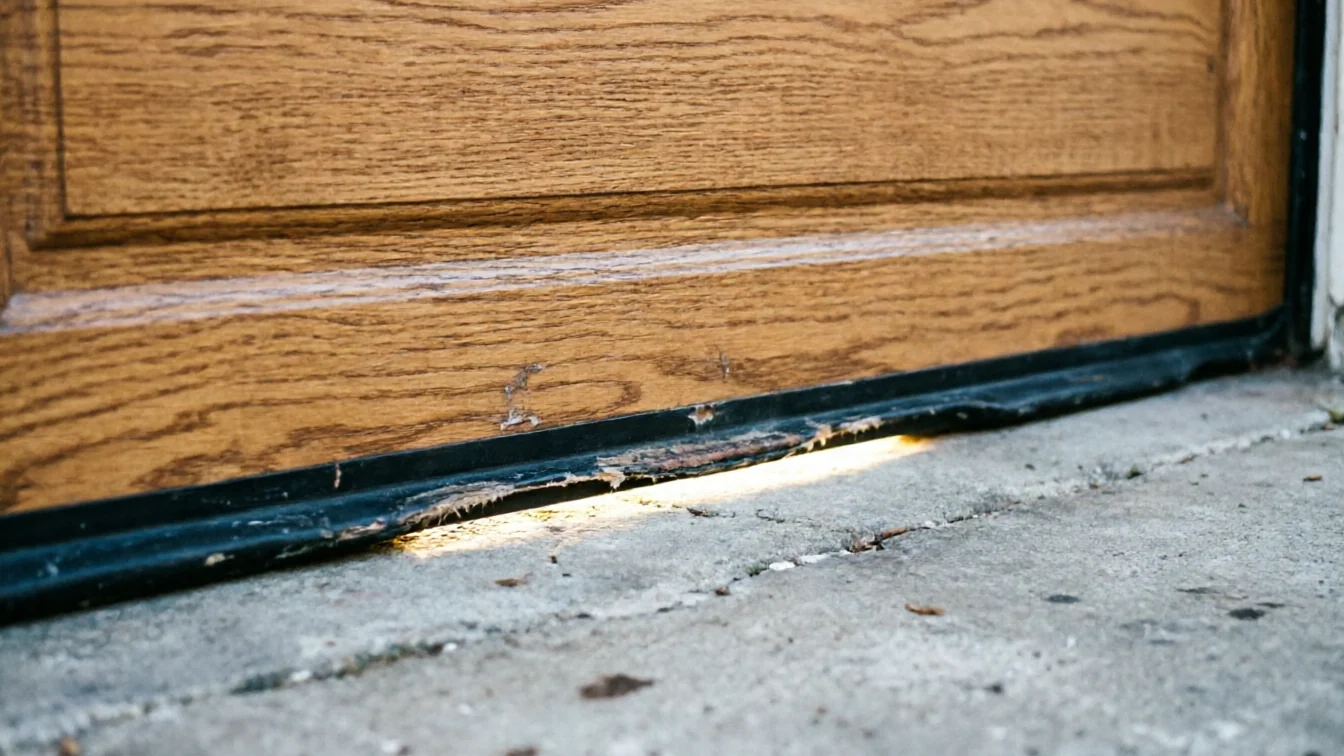 Garage Door Work for Utica's Older Housing Stock
Utica garage door repair built around what's actually out there: pre-1960 housing stock, original hardware, and a climate that works doors hard all winter.
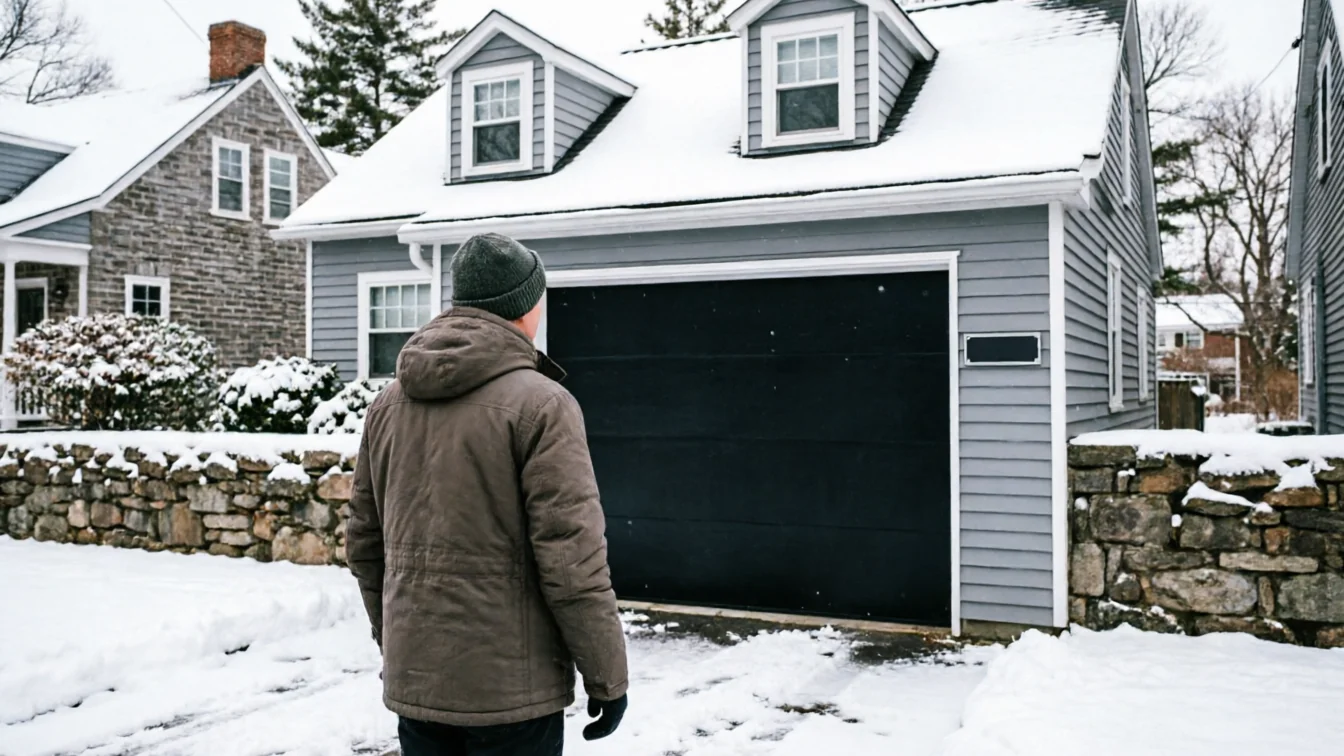 Buying a Replacement Door Here: What the House and the Winters Decide
Utica's housing stock runs 1938-1989 with a 1948 median build year, and the cold climate band here changes what a new garage door needs to do.
Ready when you are
Need a garage door sorted in Utica?
Utica Garage Door Pros repairs and installs garage doors, springs and openers in Utica, NY and the surrounding area.
Certified Experts
Quality Assured