What It Costs
We can't post a number here that would mean anything without seeing the door. What drives the cost on most calls in this area isn't the brand of door - it's the age of the hardware behind it.
Original torsion hardware
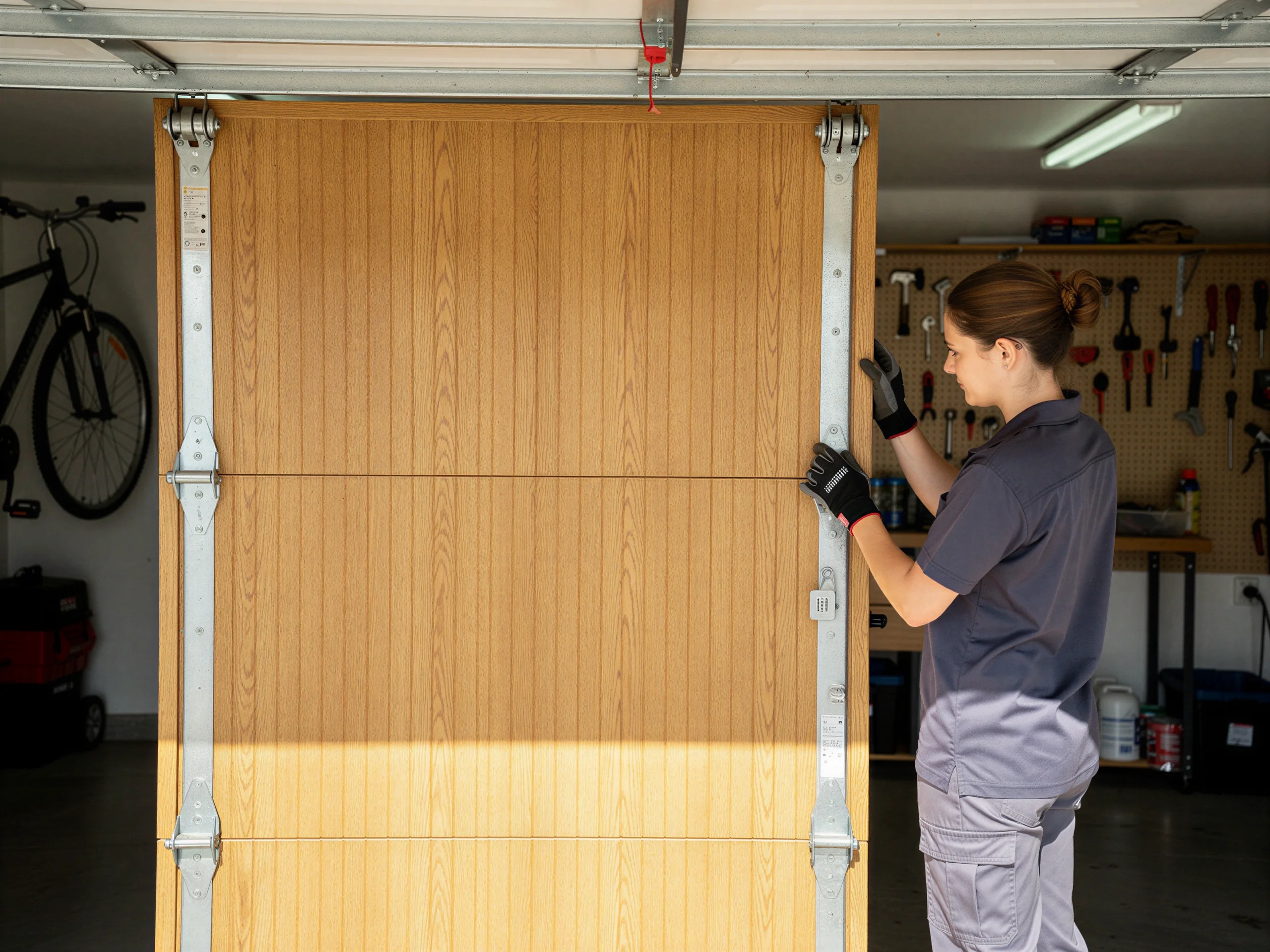
A lot of houses in this corridor were built between 1938 and 1989, with the median landing around 1948, so plenty of garages still have the original torsion shaft, drums, and bearing plate from whenever the door went in. If that hardware is original, a spring swap sometimes turns into a bearing plate or shaft replacement too, because the old steel is worn past the point of just swapping one part.
Simpler newer door repairs
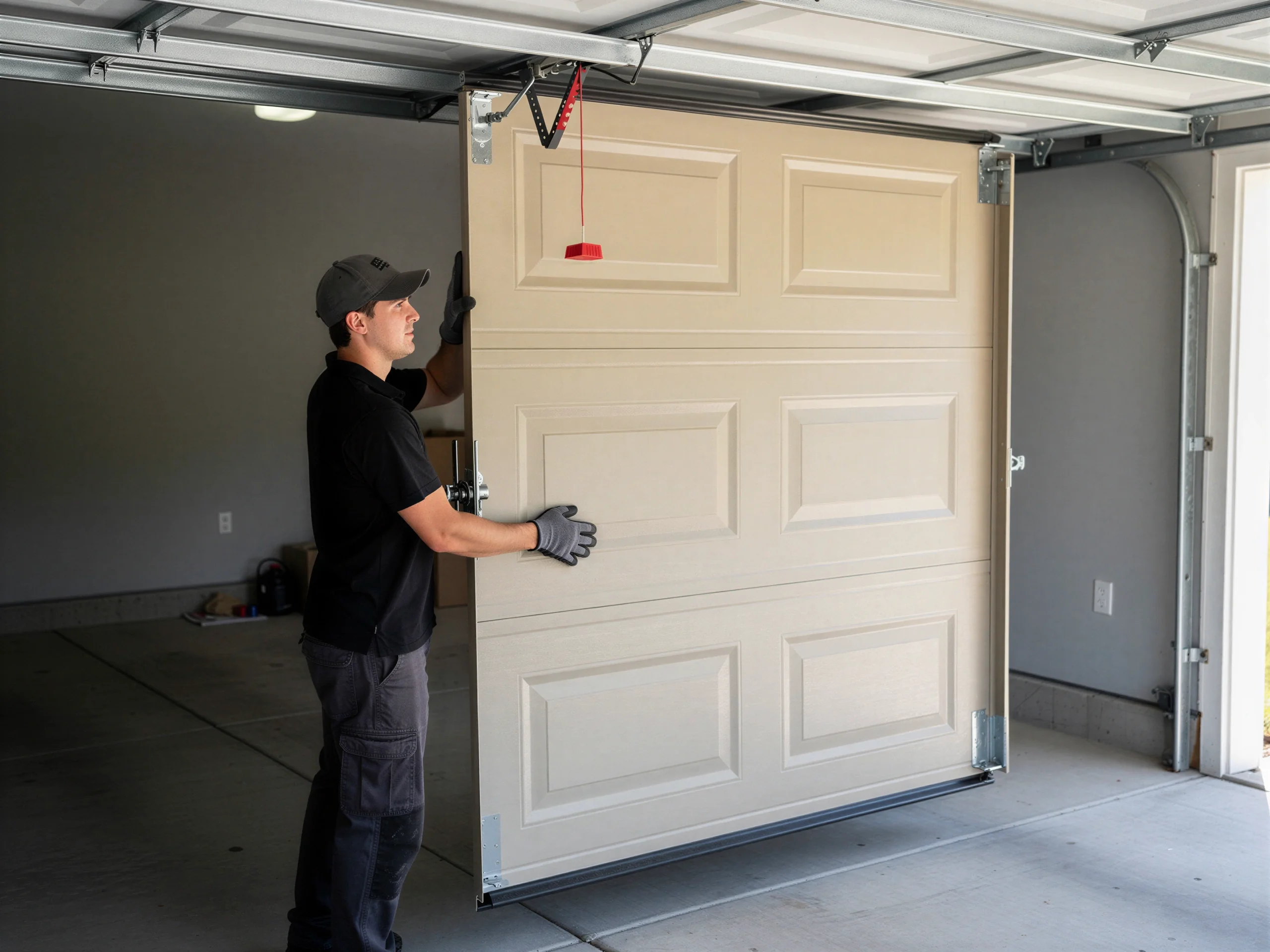
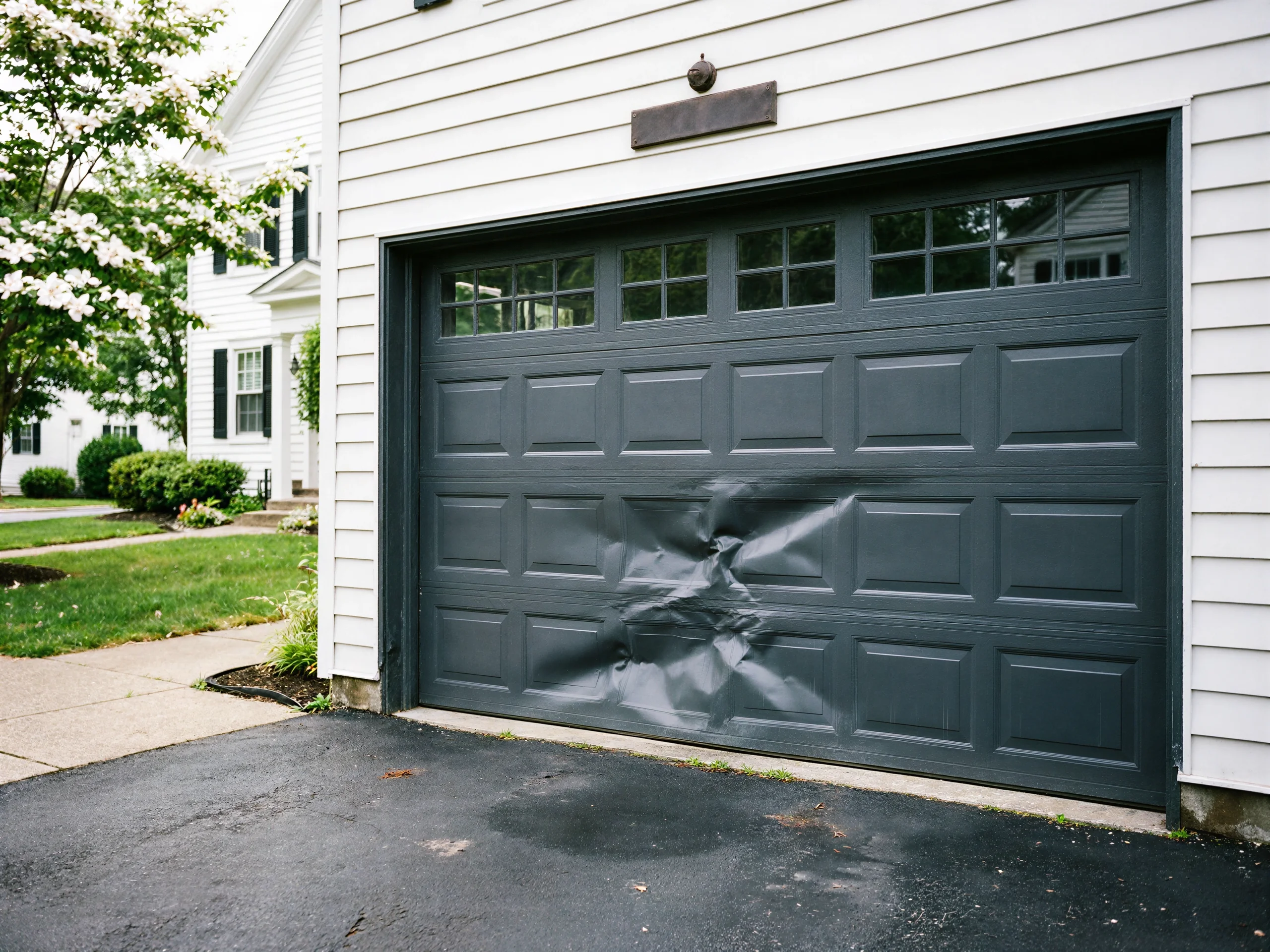
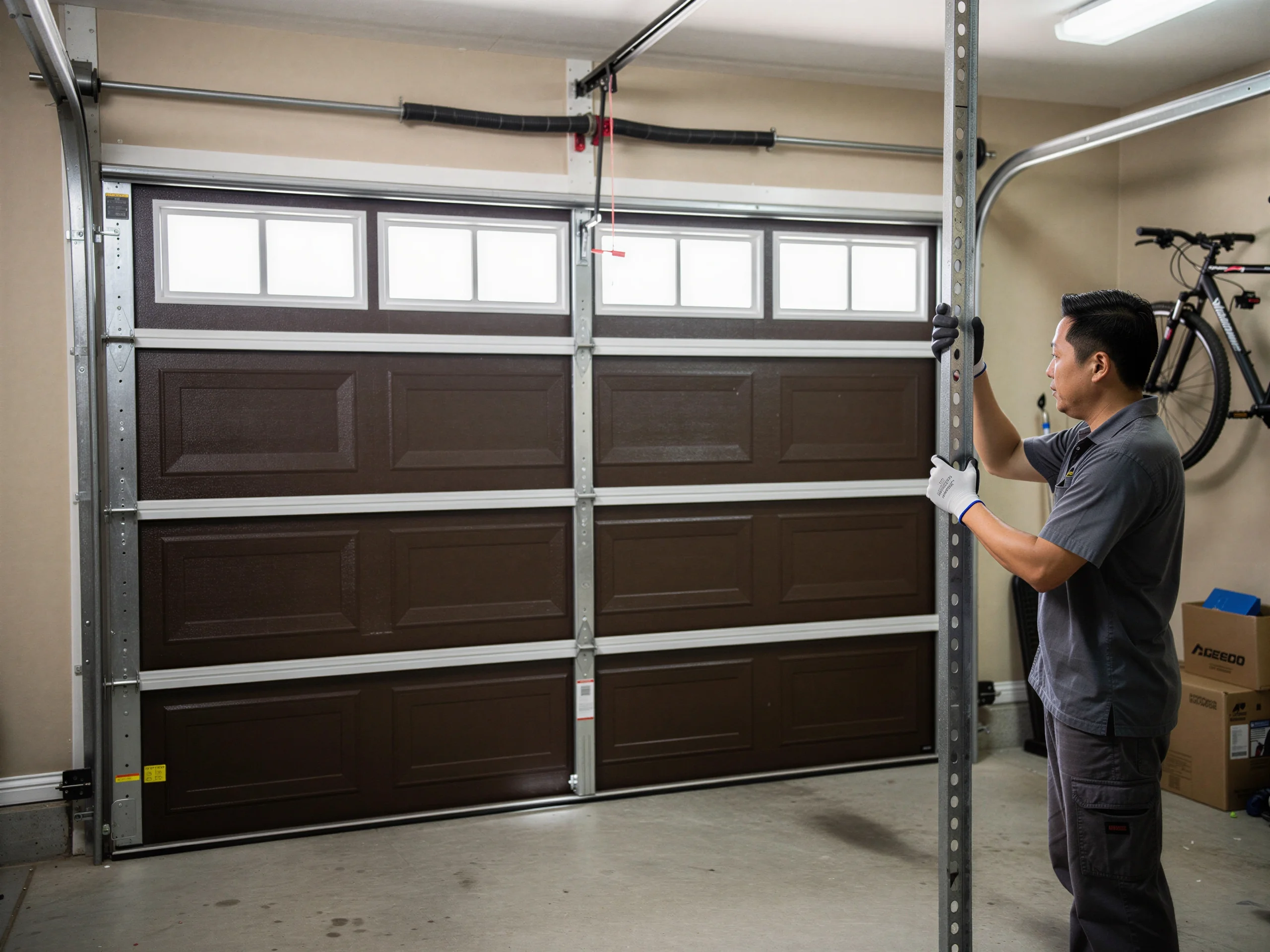
Newer doors with standard-width torsion springs and a sectional steel panel are usually the simpler, cheaper job: parts are common and on the truck. Where it gets expensive is bent track on a two-car door, a cracked bottom panel from a slipped jack of a car, or an opener gear set that's seized from age.
No phone price guesses
One honest limitation: we don't guess a price over the phone past general ranges, because a stuck roller and a broken cable can look identical from the driveway and cost very different amounts to fix. We'll give you the real number after we look at the door, not before.
How Long You Are Without the Door
Most single-spring and cable jobs get the door moving again the same visit - that part isn't tied to Utica specifically, it's just common hardware on common doors.
Pre-1960 part sourcing
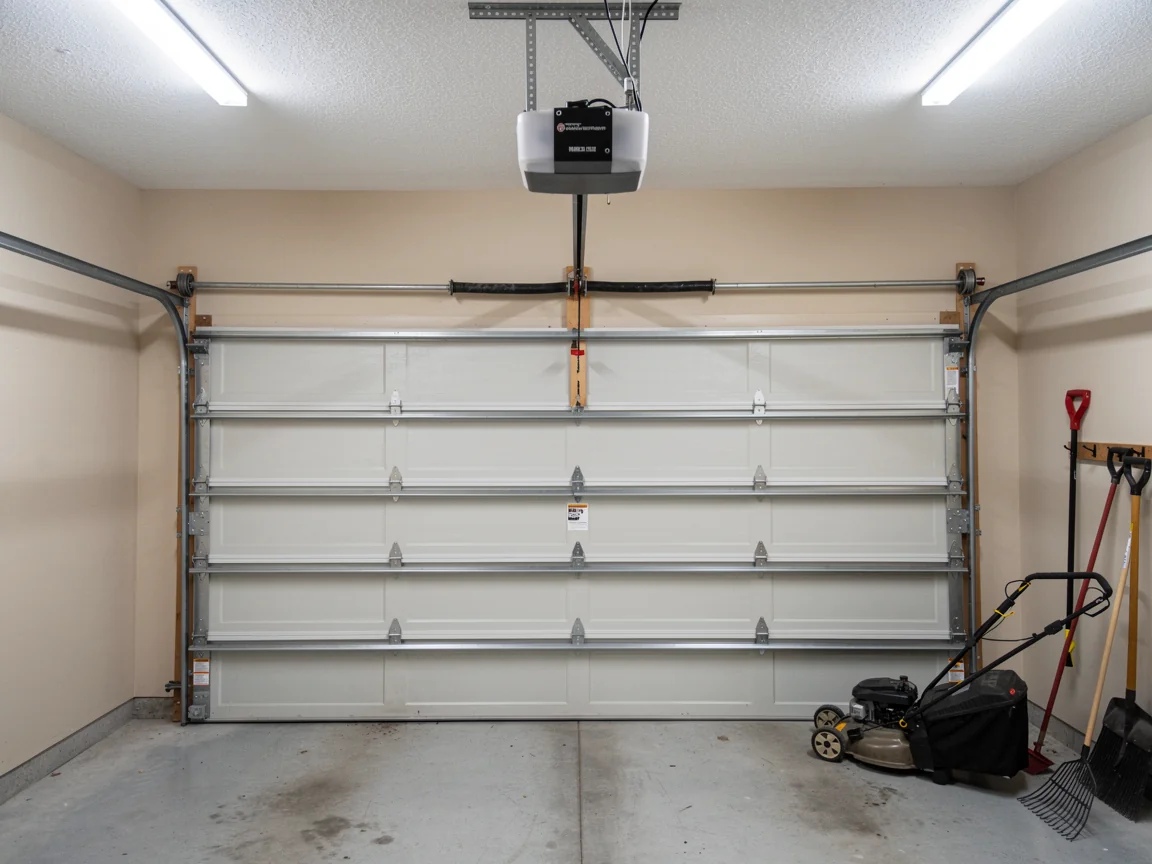
Where the wait can stretch out is when the door is original to a house built well before 1960, which describes a large share of the housing stock across this service area. Side-mounted torsion units, odd-width springs, and older opener drive systems from that era aren't something we keep six of on the truck, because almost nobody stocks them anymore.
No universal turnaround
If your door is one of those, we'll tell you straight that the part has to be ordered, and we won't promise a day we can't back up. We don't have a universal turnaround time to quote you here, because it genuinely depends on what's broken and how old the track and drum assembly underneath it are.
Temporary secure fix
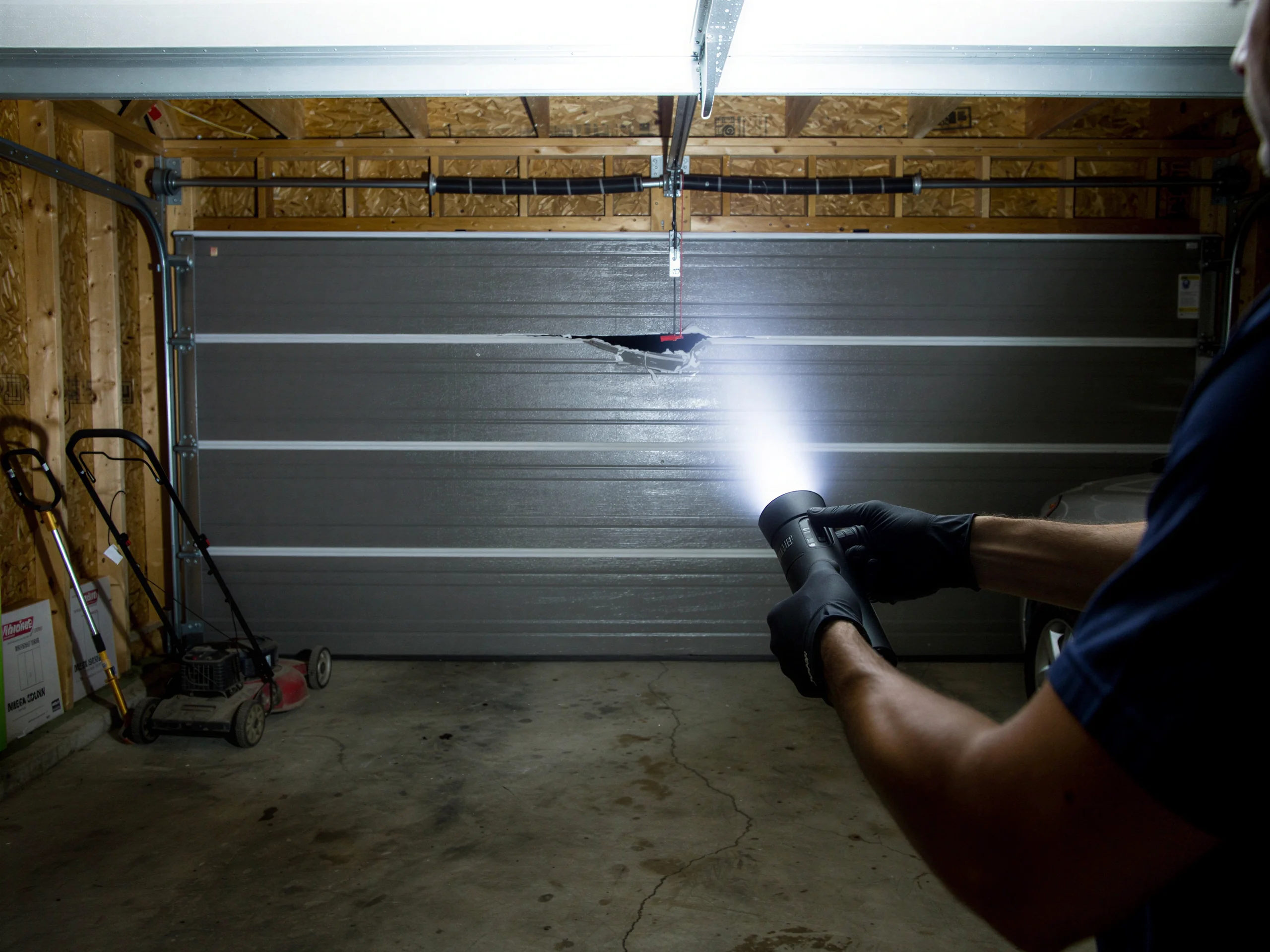
What we can tell you is that a bent track or a panel knocked out of its frame usually gets a temporary fix - enough to close and lock the door securely - while the permanent part is sourced, so you're not leaving the garage open overnight in a cold-climate winter waiting on a shipment.
What Causes It Around Here
Utica sits in a climate band classed as cold and severe, and that matters more to a garage door than most owners think. A torsion spring is wound steel under constant tension, and steel contracts in the cold - it gets stiffer, and the cycle count before fatigue failure drops. On a door that's already been opened and closed tens of thousands of times since it went in, a hard cold snap is often the thing that finally snaps a spring that was already near its limit, not the cause by itself. Add in the age of the housing stock: a large share of homes across this service area were built between 1938 and 1989, and across the 34 named communities in this corridor the stock is mostly pre-1960. Original hardware from that era wasn't built for today's heavier insulated steel doors if a door's ever been upgraded, which puts extra strain on springs sized for a lighter wood panel. Rust on exposed torsion bars and hinges is also more common here than in a mild climate, because road salt and winter moisture work on bare steel all season. None of this is unique to one street - it's the housing age and the winters together.
How It Shows Up
The door that won't open past a foot and a half, then slams if you force it - that's usually a broken torsion spring, and on an older door it can let go loud enough to bring you out to the garage to check.
Crooked door from cable
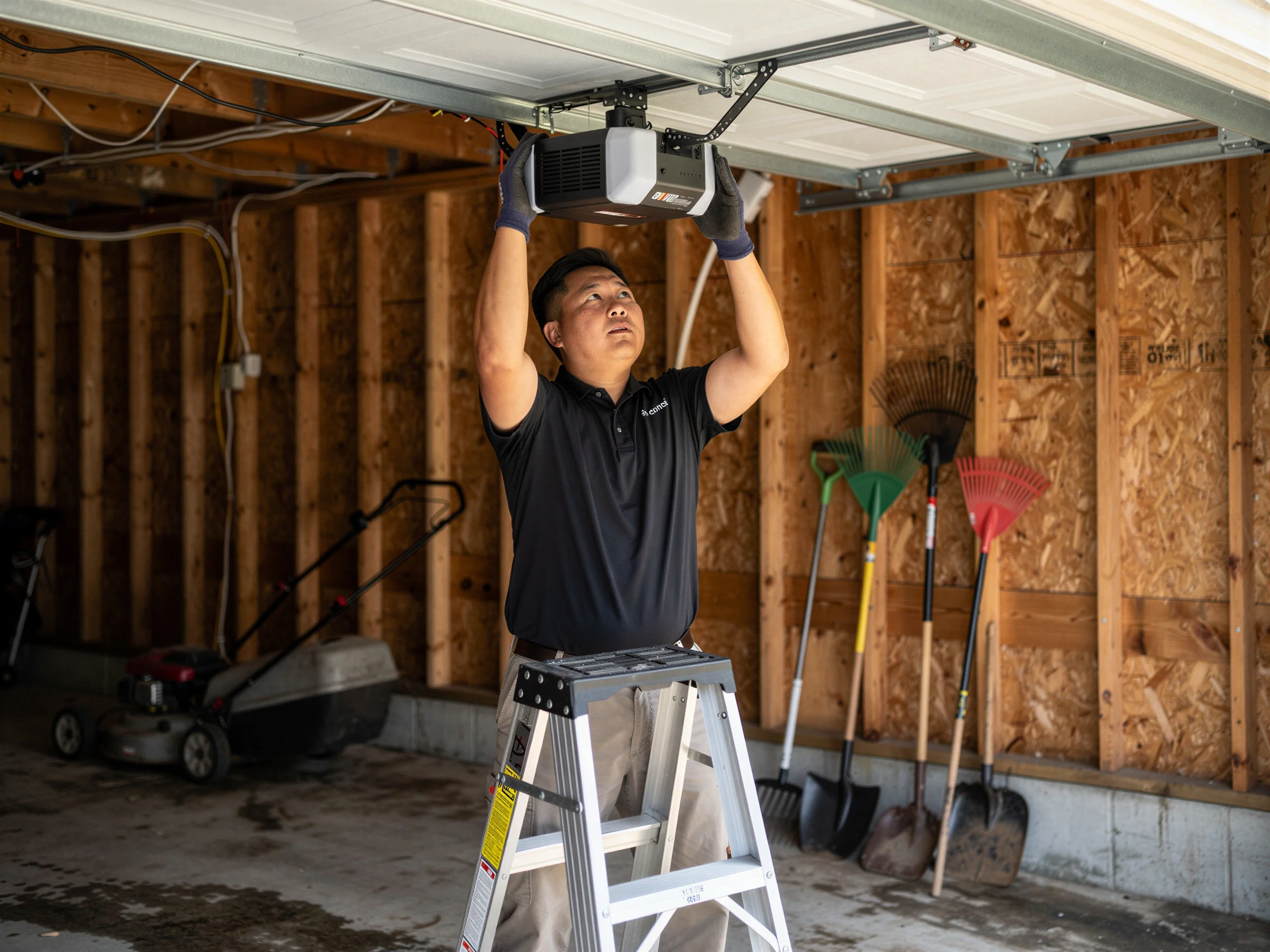
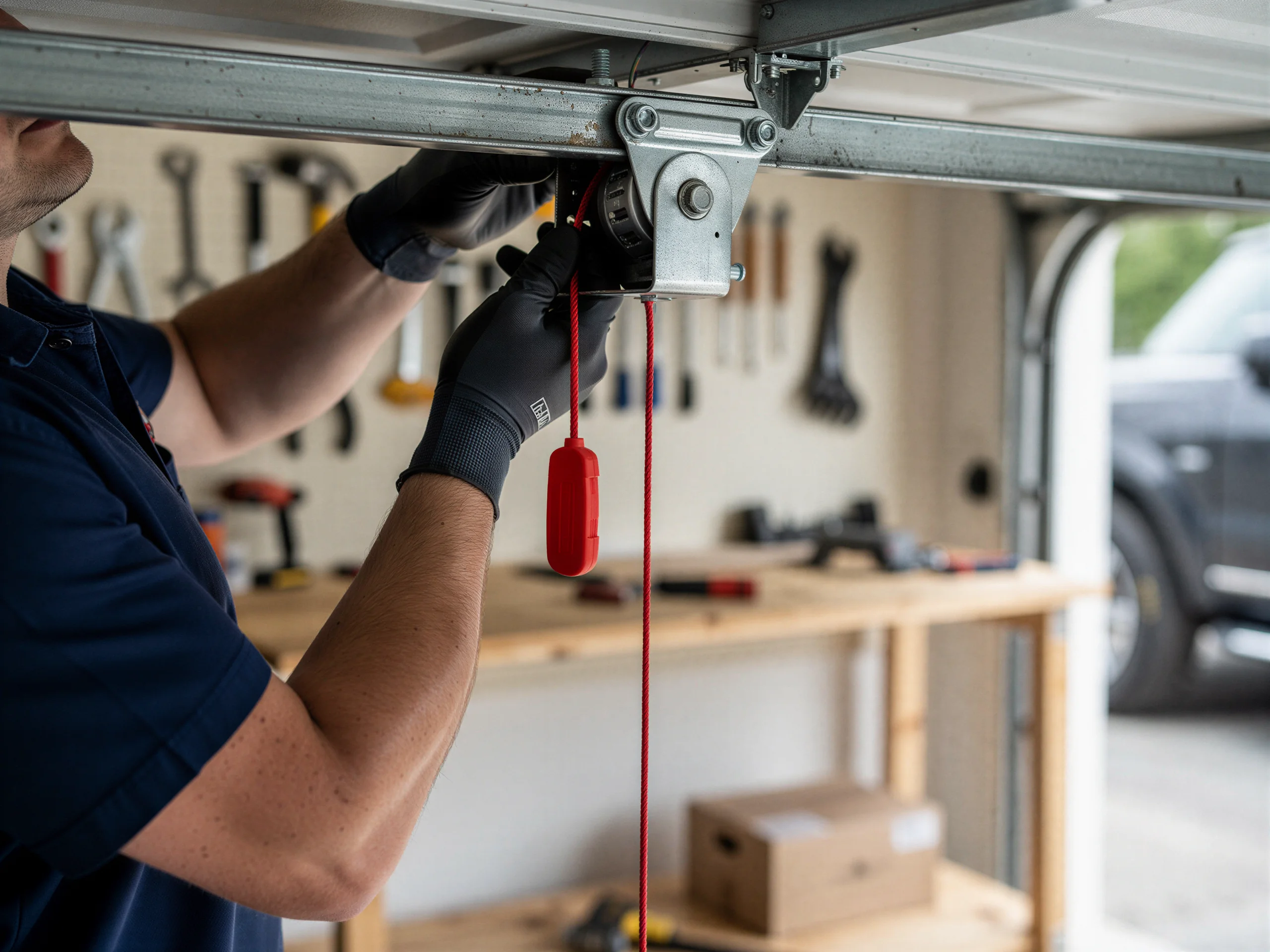
A door that opens fine but comes down crooked, dragging one side low, points to a cable that's frayed or jumped its drum, which is common on hardware that's been through a lot of cold-season cycles. If the opener runs but the door doesn't move, or moves and reverses partway, that's often a gear set worn down inside the unit, more so on older chain-drive openers than newer belt models.
Steel rollers wearing track
Rollers that grind or pop as the door travels usually mean steel rollers original to an older door rather than the nylon rollers used now - steel wears the track faster and wears itself faster in the cold.
Bottom seal heat loss
A gap at the bottom corner, or a seal that's gone hard and cracked, is less dramatic but it's the one that shows up as a higher heating bill before it shows up as a stuck door. Any of these on a door original to a house from the 1940s or 1950s is worth a look before the next cold stretch, not after.
Talk to a local pro
Garage door service in Utica?
Same-day service with honest, upfront quotes.