What It Costs
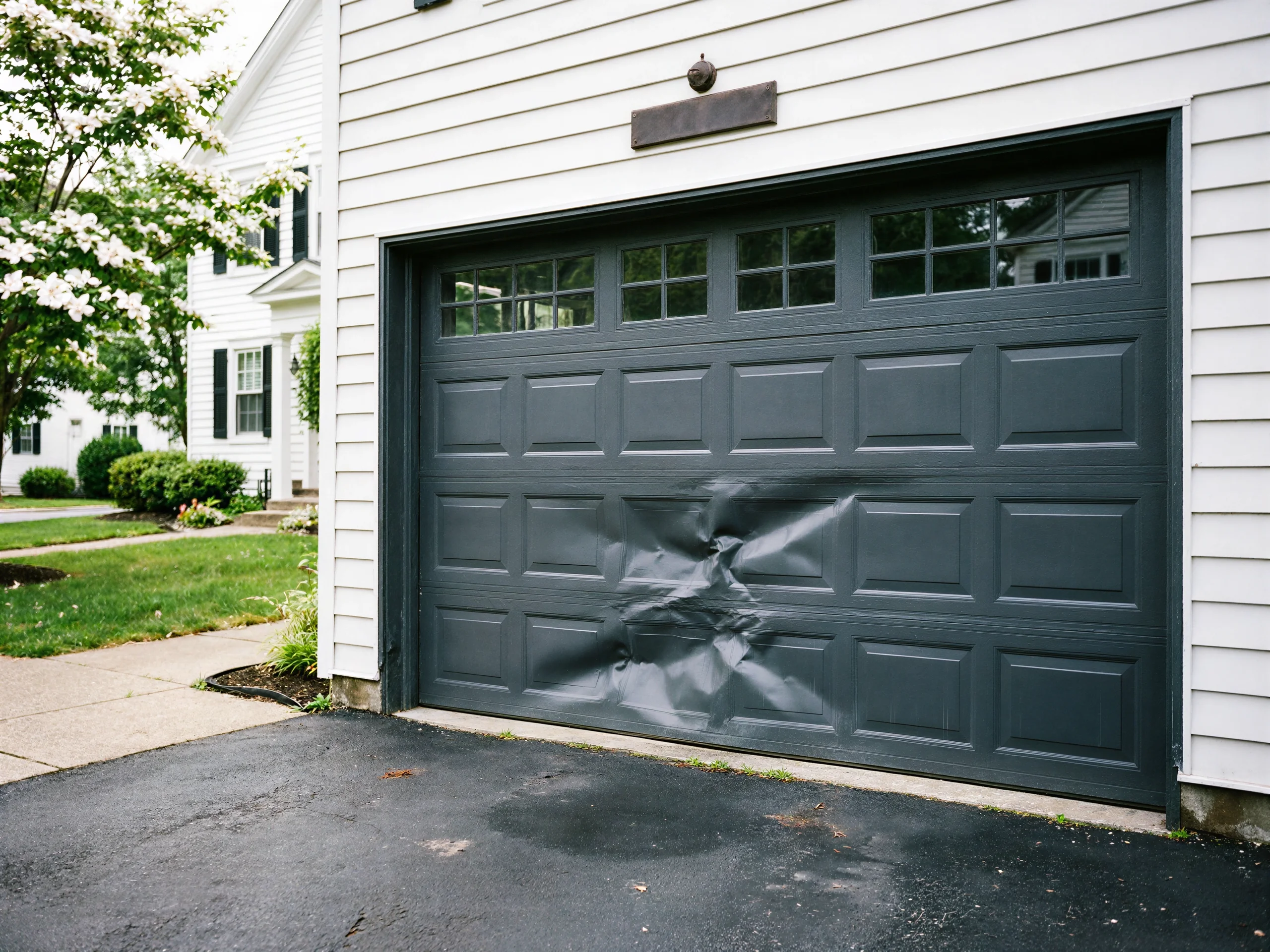
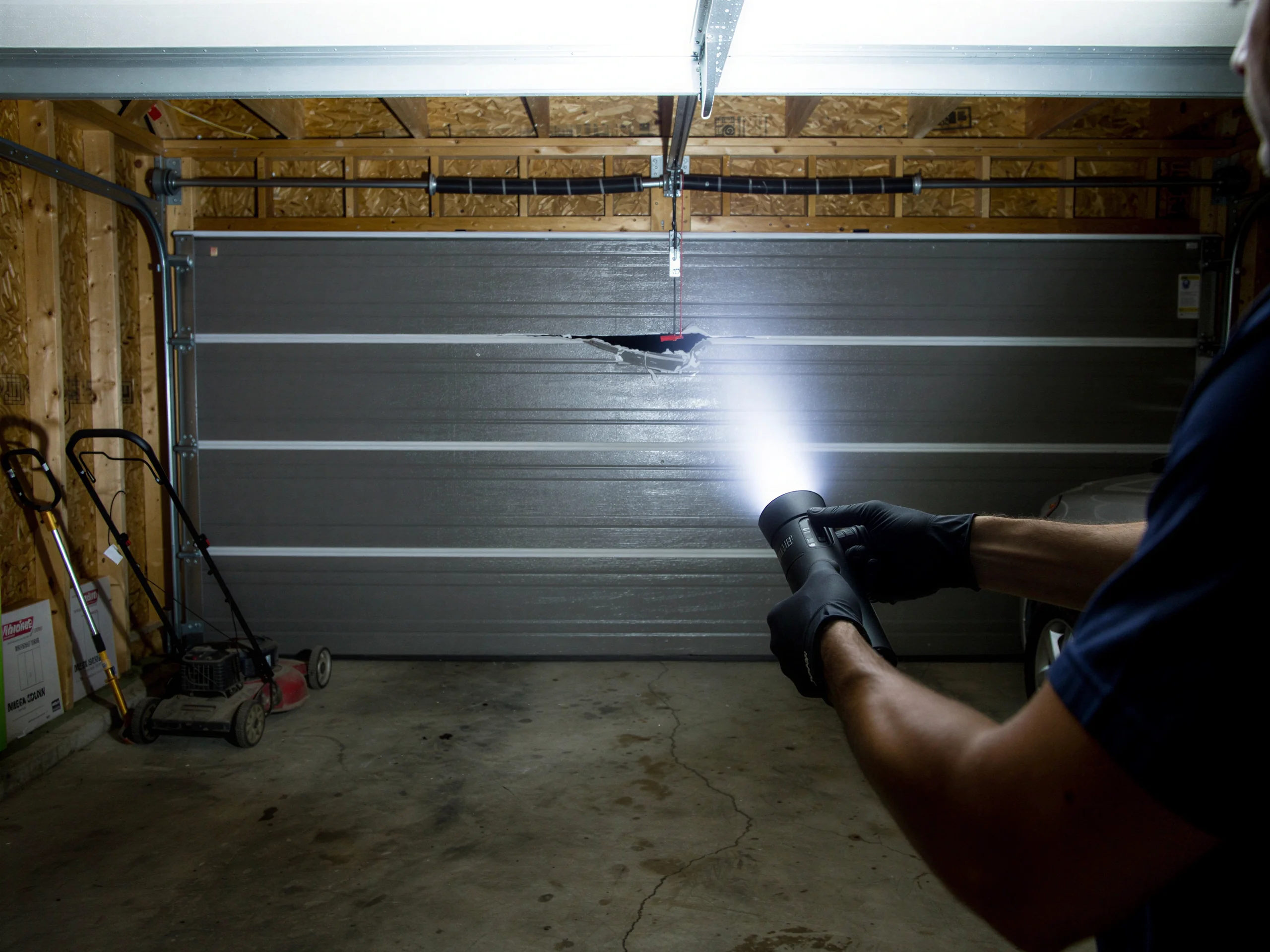
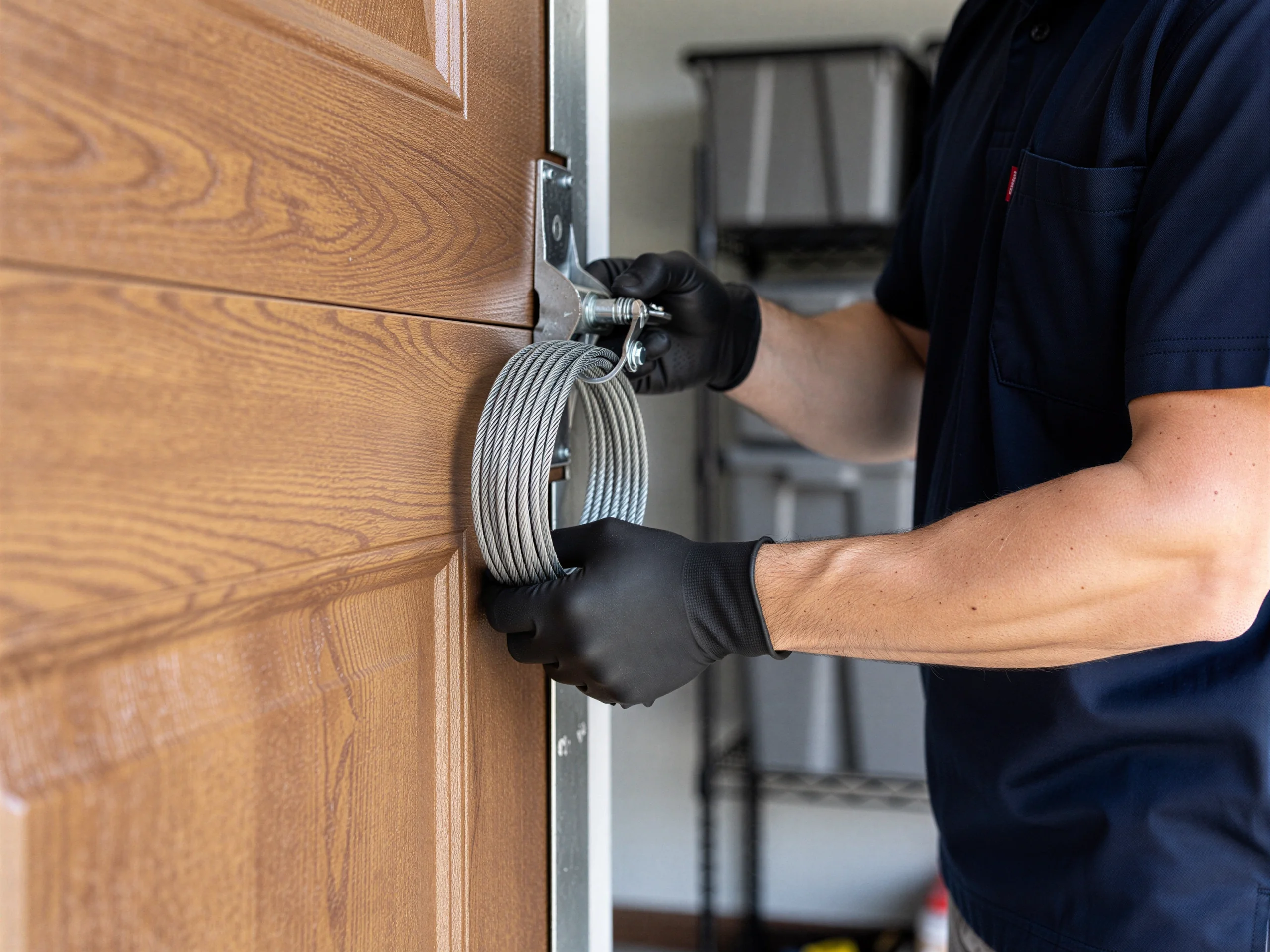
We can't post a flat number here because cable repair pricing depends on what else the cable took out when it let go. A single frayed lift cable on a light aluminum door is a different job than a snapped cable on a heavier insulated door where the drum or the opposite side cable got damaged in the process, which happens more than people expect.
Worn drums and bearings
On older torsion setups common in this area's 1938-1989 housing stock, the cable is rarely the only worn part - the drums and bearing plates are often the same age and show wear too.
Special-order original parts
Here's the honest limitation: if your door was installed before the mid-1980s, parts for the original hardware are sometimes special-order, and that adds to both the cost and the timeline.
Universal part pricing
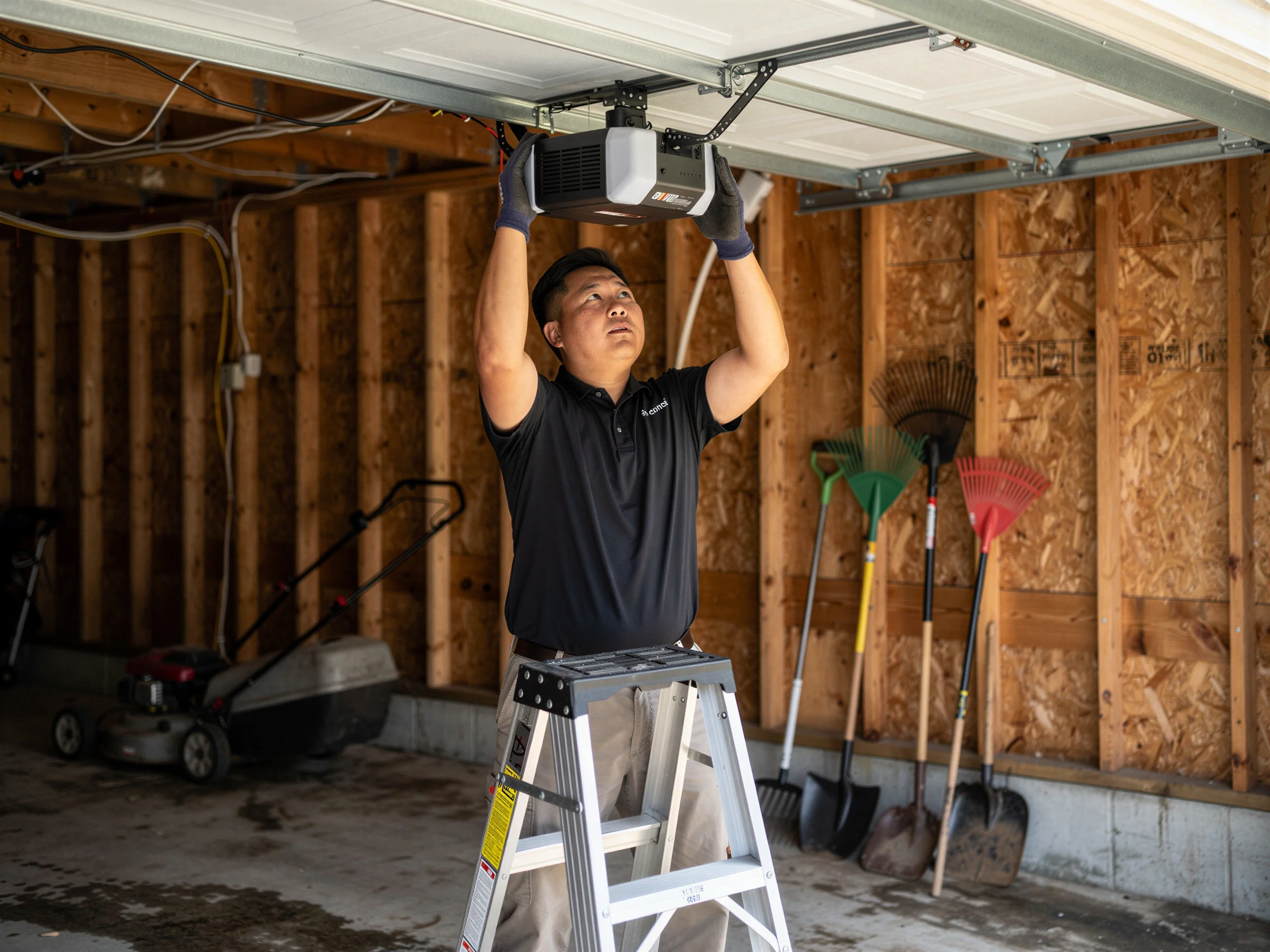
We'll always tell you upfront if we're pricing a universal part versus something we have to source. We don't pad a cable job into a full replacement sale unless the drums, track, or springs are actually failing alongside it.
How Long You Are Without the Door
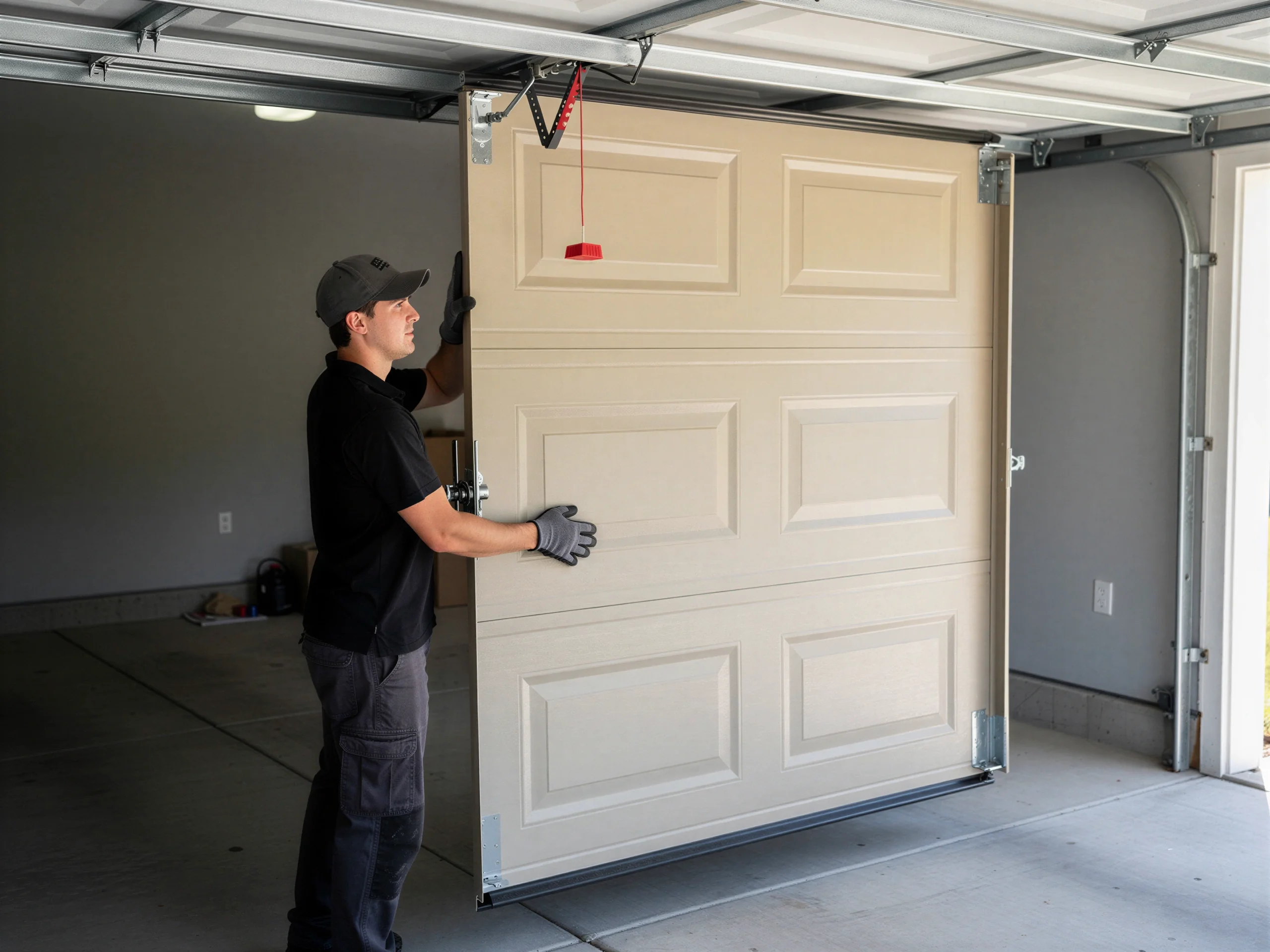
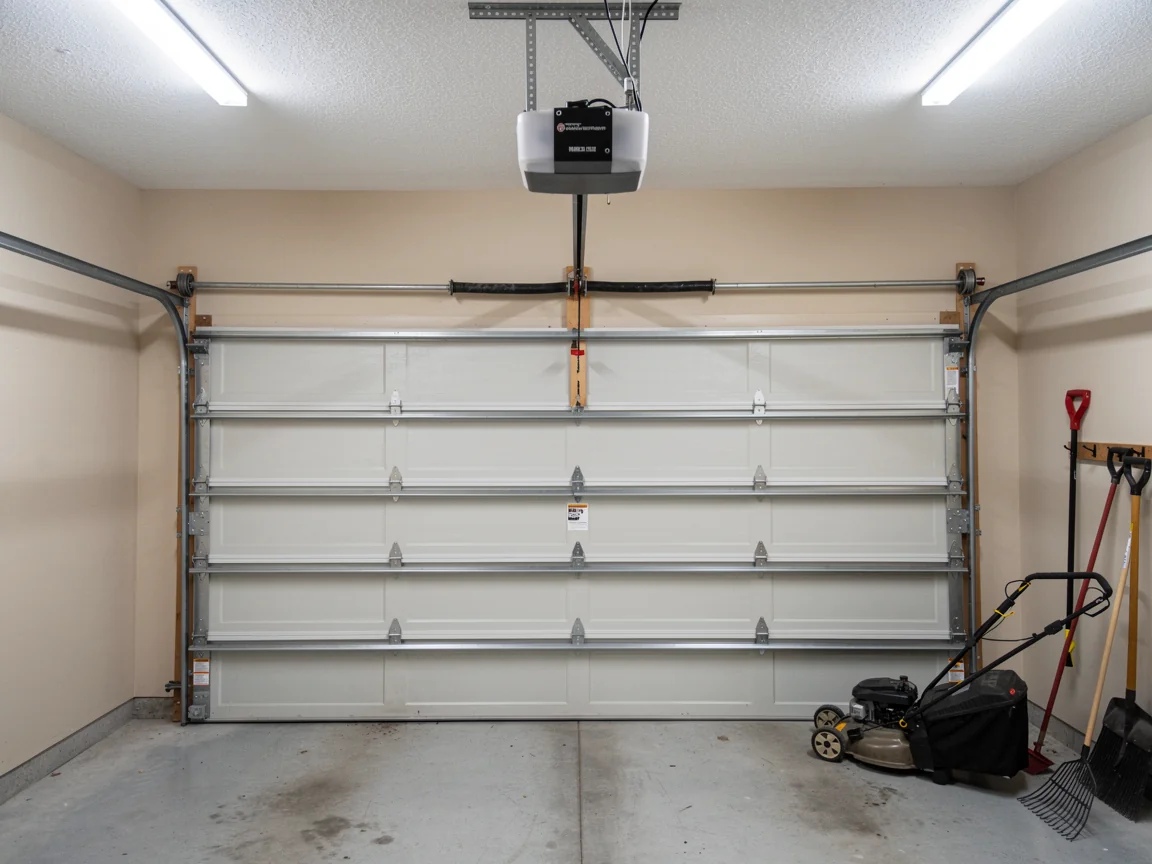
A broken cable usually means the door is stuck - either jammed partway or unable to move safely, because the cable is part of what keeps tension balanced on both sides of the drum. You shouldn't force it open or try to drive the opener through a broken cable; that's how a track bends or a panel cracks.
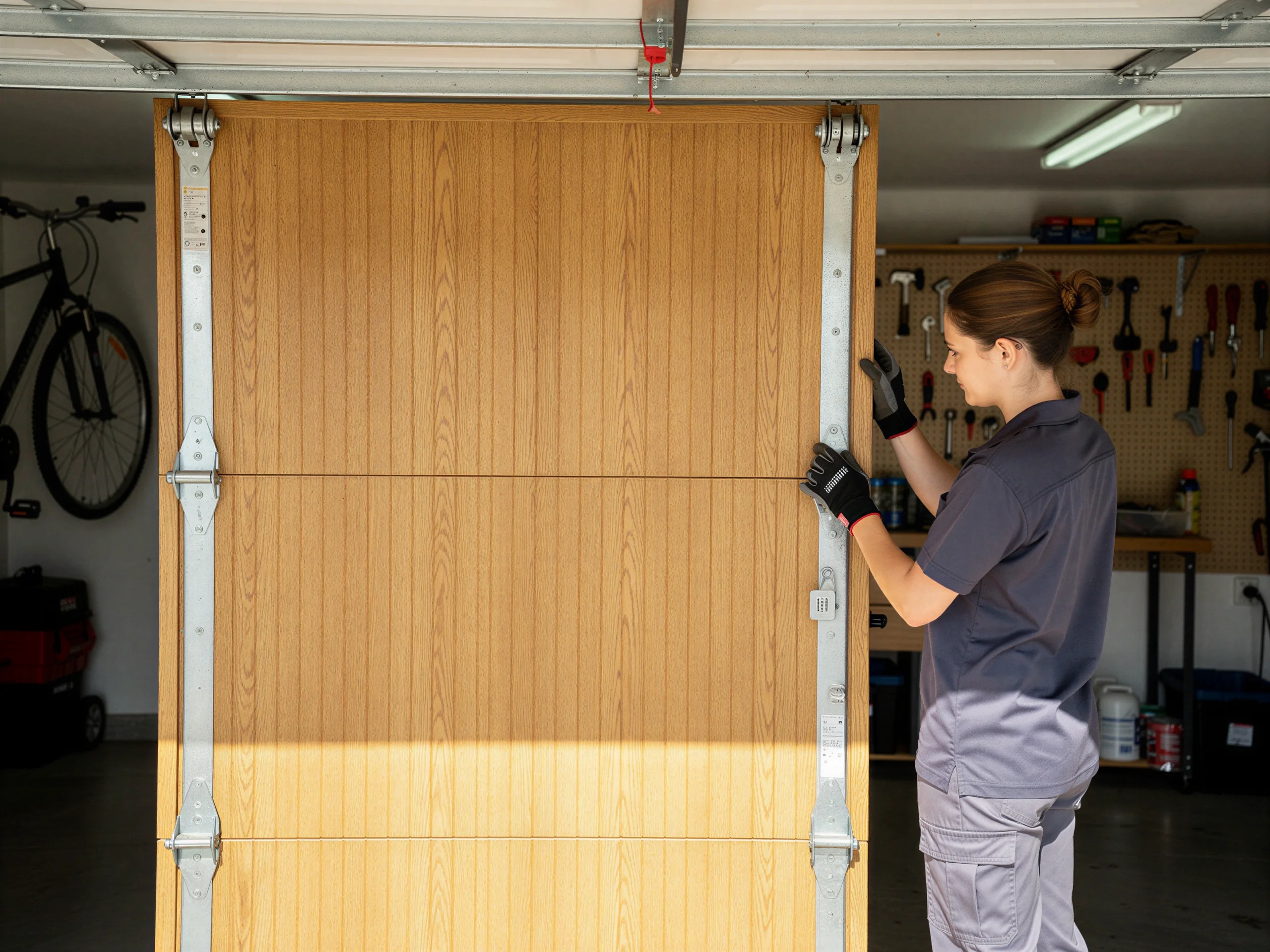
Most cable repairs are a same-visit fix once a tech is on site with the right diameter cable and drum hardware for your setup - but on the older torsion systems still common across this service area's pre-1960 housing, matching the drum size and cable length sometimes takes a second trip if the original hardware isn't a standard stock size. We'd rather tell you that upfront than guess and leave you with a door that still won't balance right.
What Causes It Around Here
Lift cables fail two ways: they fray from running over a worn or rusted drum groove, or they snap outright from fatigue. Both show up more in this area than they would somewhere with newer housing or a milder climate, for two reasons.
First, the housing stock. With a median build year around 1948 and most homes going up between 1938 and 1989, a lot of doors in this service area are still running original or early-replacement cable and drum assemblies that have simply outlived their rated cycle count. Second, the cold. Utica sits in the severe end of the cold climate band, and steel cable doesn't like hard freeze-thaw cycling - moisture gets into the strands, it rusts from the inside, and a cable that looks fine in October can snap in January under the exact same load it handled for years.
Across the 34 communities we cover in this service area, from Yorkville and Marcy just a few miles out to places like Little Falls and Bridgewater further afield, that same pre-1960 housing pattern repeats - which is why cable wear is one of the most consistent calls we run.
How It Shows Up
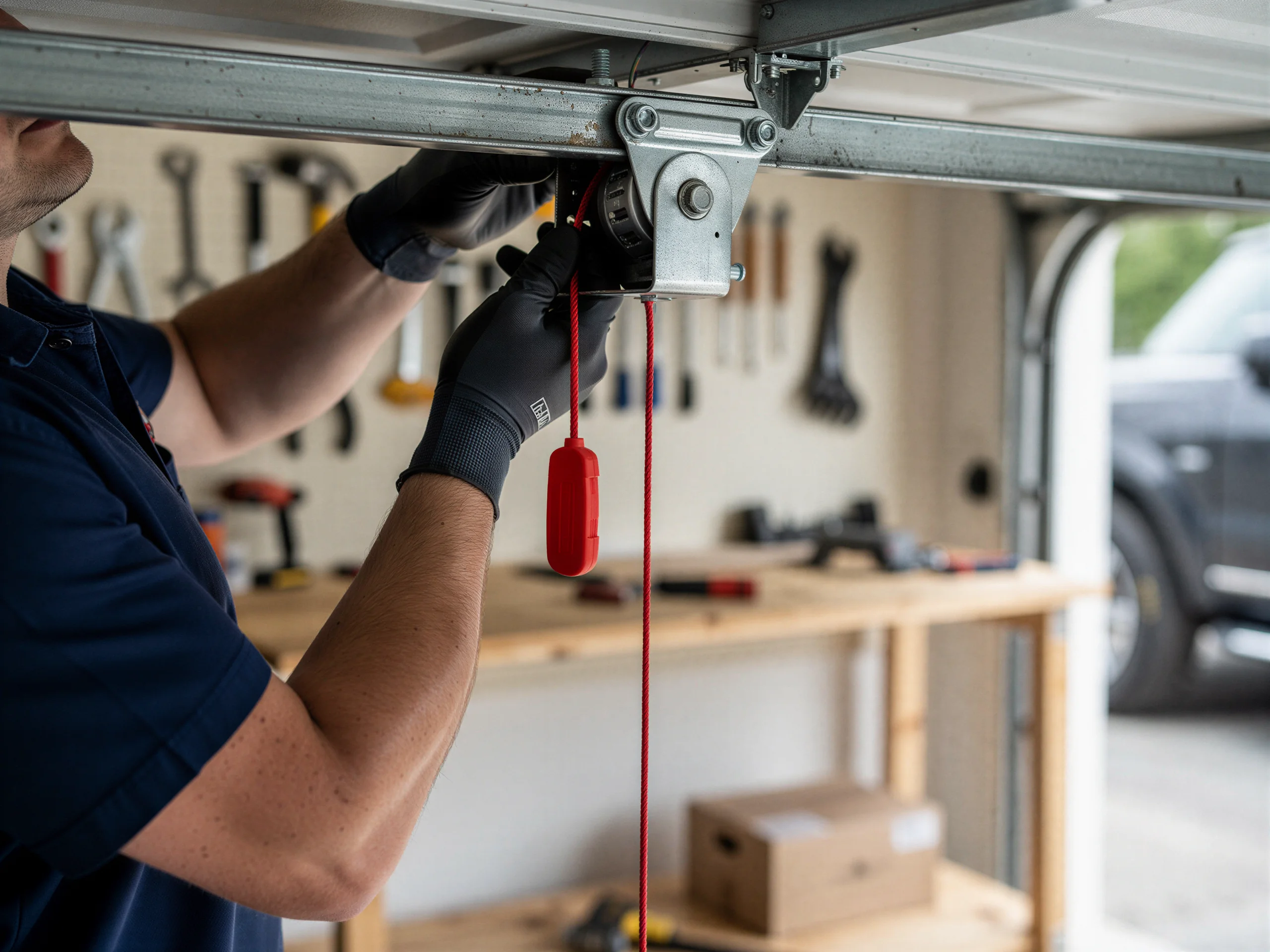
The most obvious sign is a door that won't move, with one side visibly lower than the other or a cable you can see hanging loose off the drum.
Quiet early warning signs
Sometimes it's quieter than that - a door that's started making a grinding or popping sound near the bottom corners as the frayed strands catch, or a door that feels unbalanced and heavier than it used to when you lift it manually.
Early repair versus emergency
If you catch it early, a frayed cable with visible broken strands is a repair, not an emergency - get it looked at before it snaps under load, which is when it tends to take a drum or a cable pulley with it.
Common cable calls locally
With roughly 24,296 owner-occupied houses across this service area, a cable letting go on a single-car door is one of the most common calls we get, and most of those owners want it fixed, not the whole door replaced, which tracks with a median household income here around $68,425 where a targeted repair makes more sense than a full swap.
Talk to a local pro
Garage door service in Utica?
Same-day service with honest, upfront quotes.