
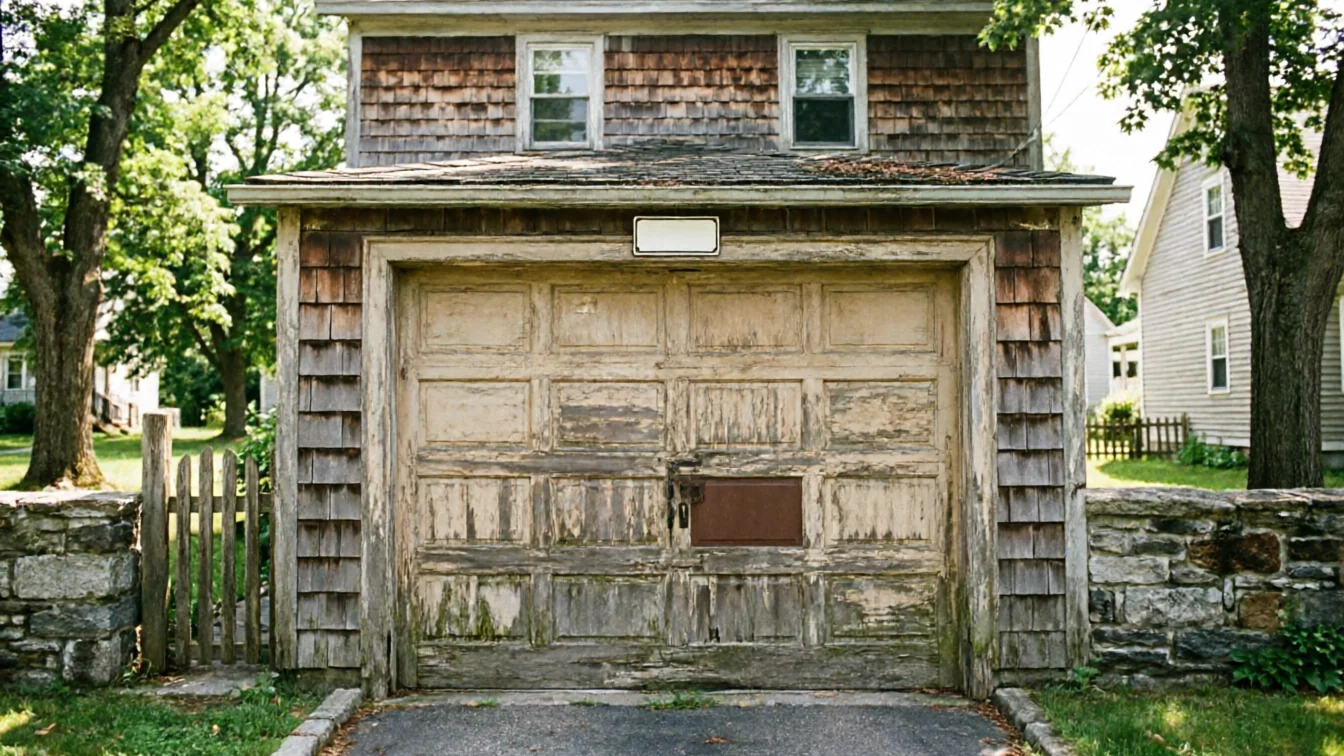
 What's Worth Fixing on an Older Utica Garage Door
Utica's housing stock dates mostly to the late 1940s, so many garage doors are original.
BlogUtica, NY · 4 min read
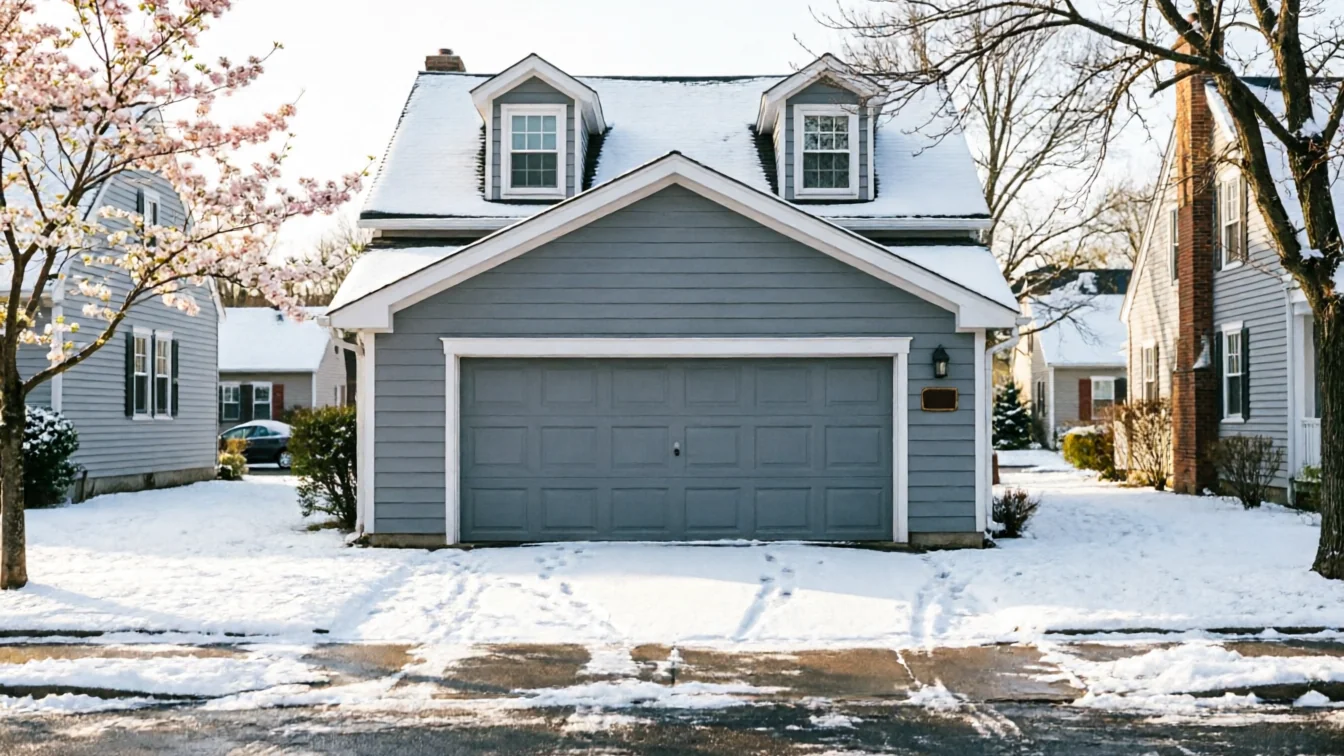
Garage Door Work for Utica's Older Housing Stock
Utica's housing stock dates mostly to 1938-1989, median 1948. See what that older hardware and severe cold mean for your door, spring, and opener.
Local detail
What It Costs
We're not going to put a number on this page that doesn't match what's actually wrong with your door, so we won't guess. What we can tell you is what drives the cost up or down in a house like the ones common around here. A door on original hardware from the 1938-1989 build era often needs a bracket or roller swap that a newer door wouldn't, because the sizing and mounting don't match what's sold off the shelf today. A torsion spring that's original to a 1948-built garage is usually undersized for the insulated steel doors homeowners have swapped in since, which means the repair isn't just "replace the spring" - it's replace the spring with the correct one for the door that's actually hanging there now. That diagnosis step is where the real cost difference shows up, not in the labor itself. If you want a number, we have to see the door. What we won't do is quote blind over the phone and then show up with a different number - that's not how we work.
The area
The Situation
Most of the houses we work on in this area went up between 1938 and 1989, with the median landing around 1948. That's not a quirk of one neighborhood - it holds across the 34 named areas that make up this pre-1960 housing stock, from the older blocks near the center of town out through the surrounding towns. A door that age was almost never designed for the openers and insulated panels homeowners have added since. Somebody, at some point, usually a previous owner, swapped the door or the opener and left the original track or jamb hardware in place because it "still worked." That mismatch is the single most common thing we find on a first visit: newer door, older bones. It's not a flaw in the house. It's just what forty-plus years of incremental upgrades looks like when nobody pulled a permit to redo the whole opening at once. Knowing the house is from that era before we even open the garage tells us what to check first.
What we find
What to Look At First
Start with the track brackets and the jamb they're lagged into. On a house from the 1938-1989 window, those lags are often original, and the wood around them has had decades to dry out and loosen its grip. A door that's suddenly racking in the track, or a bracket that flexes when the door passes it, is usually a jamb problem before it's a hardware problem. Next, check the spring. If nobody's touched it, it may be sized for whatever door was on the opening decades ago, not the current one - a common mismatch in homes where the door's been upgraded but the spring hasn't. Last, look at the cable drums for wear grooves; on older torsion setups these were never built to the duty cycle of a modern opener running multiple times a day. One limitation worth saying plainly: we don't repair wood jambs themselves, only the hardware attached to them. If the jamb's rotted through, that's a carpentry call before it's a garage door call.
How we work
What the Weather Here Does to It
This area sits in a severe cold climate band, and that matters more for garage doors than people expect. Steel contracts in deep cold, and a torsion spring that's already marginal - undersized for the door, or just fatigued from age - is far more likely to snap on the first hard cold snap of the season than in July. We see this most on doors tied to the older housing stock, where the spring was never upsized when the door itself was replaced. Cold also stiffens the grease in old rollers and drums, so a door that moved fine in October can start binding or slamming by January, not because anything broke yet, but because everything's moving slower than the opener expects it to. If your opener strains and reverses on cold mornings, that's usually the spring compensating for stiffness elsewhere in the system, not a motor problem. We can't stop steel from contracting in winter. What we can do is make sure the spring and hardware are sized for the door you actually have before the cold finds the weak point.
Questions
Common questions
Why did my garage door spring break on the coldest morning of the year?
Cold steel loses some give, and a spring that's already fatigued or undersized for your door is the first thing to give out when it's under that extra strain. It's not coincidence - the combination of age and a severe cold snap is the most common breaking point we see each winter.
My house is from the 1950s - is my garage door hardware original?
Possibly, especially if nobody's mentioned replacing it. Houses in this area built in the 1938-1989 window often still carry original track brackets and jamb hardware even after the door panel itself was swapped out, which is the mismatch we check for first.
Can you tell me a repair price over the phone?
Not accurately. Cost depends on what hardware is actually on the door, and in older homes that's rarely a simple swap. We'd rather look at it than quote a number that doesn't match the job.
Recommendation
You Might Also Like
More garage door guides for Utica homeowners.
What's Worth Fixing on an Older Utica Garage Door
Utica's housing stock dates mostly to the late 1940s, so many garage doors are original.
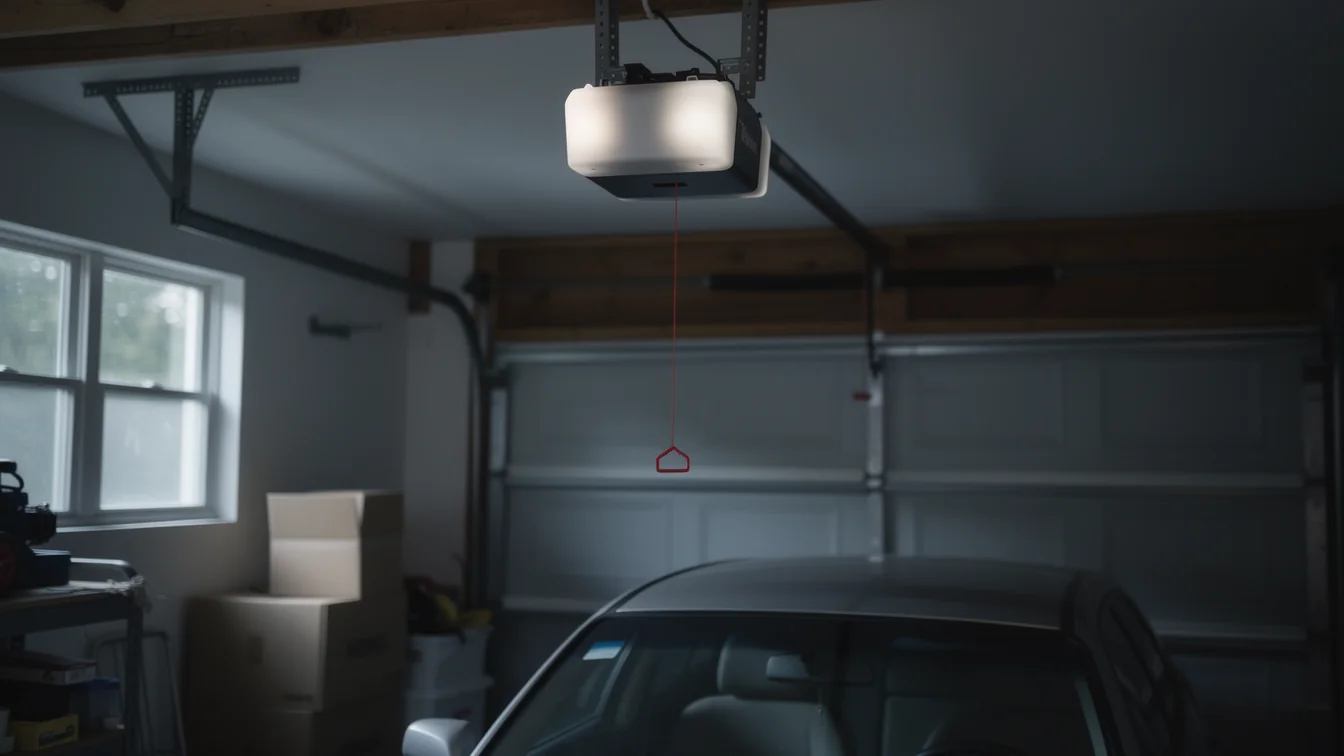 What Openers and Power Cuts Really Mean for a Utica Garage Door
Why Utica's pre-1960 housing stock and cold winters make opener failures and power cuts different here, plus what actually drives repair cost in this service area.
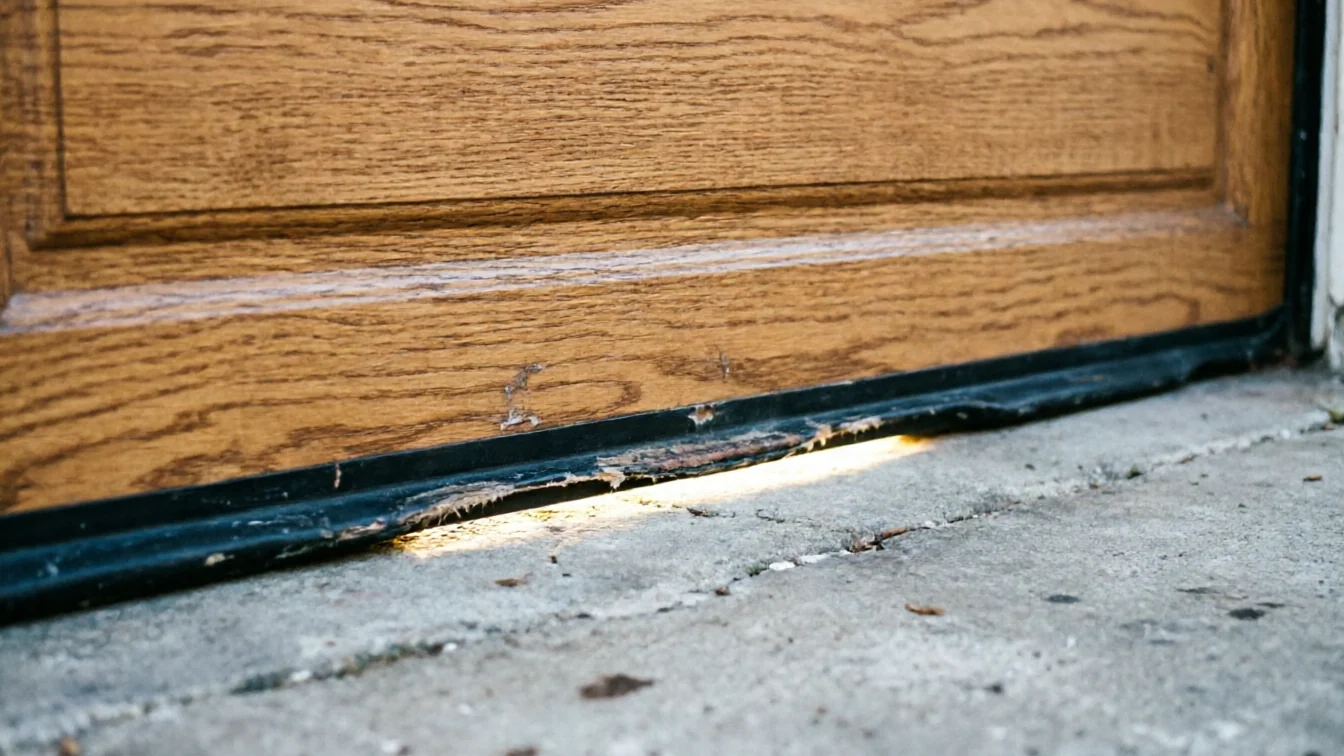 Garage Door Work for Utica's Older Housing Stock
Utica garage door repair built around what's actually out there: pre-1960 housing stock, original hardware, and a climate that works doors hard all winter.
Ready when you are
Need a garage door sorted in Utica?
Utica Garage Door Pros repairs and installs garage doors, springs and openers in Utica, NY and the surrounding area.
Certified Experts
Quality Assured