What It Costs
We can't give you a number here, because opener repair cost depends on what actually failed - a logic board, a drive gear, a worn sprocket, or a dead capacitor on an older chain-drive unit.
Range drivers explained
What we can tell you is what drives the range: whether the opener itself is original to the house or a replacement, whether the circuit board is still made, and whether the fix is a part swap or a full unit change.
Parts for older units
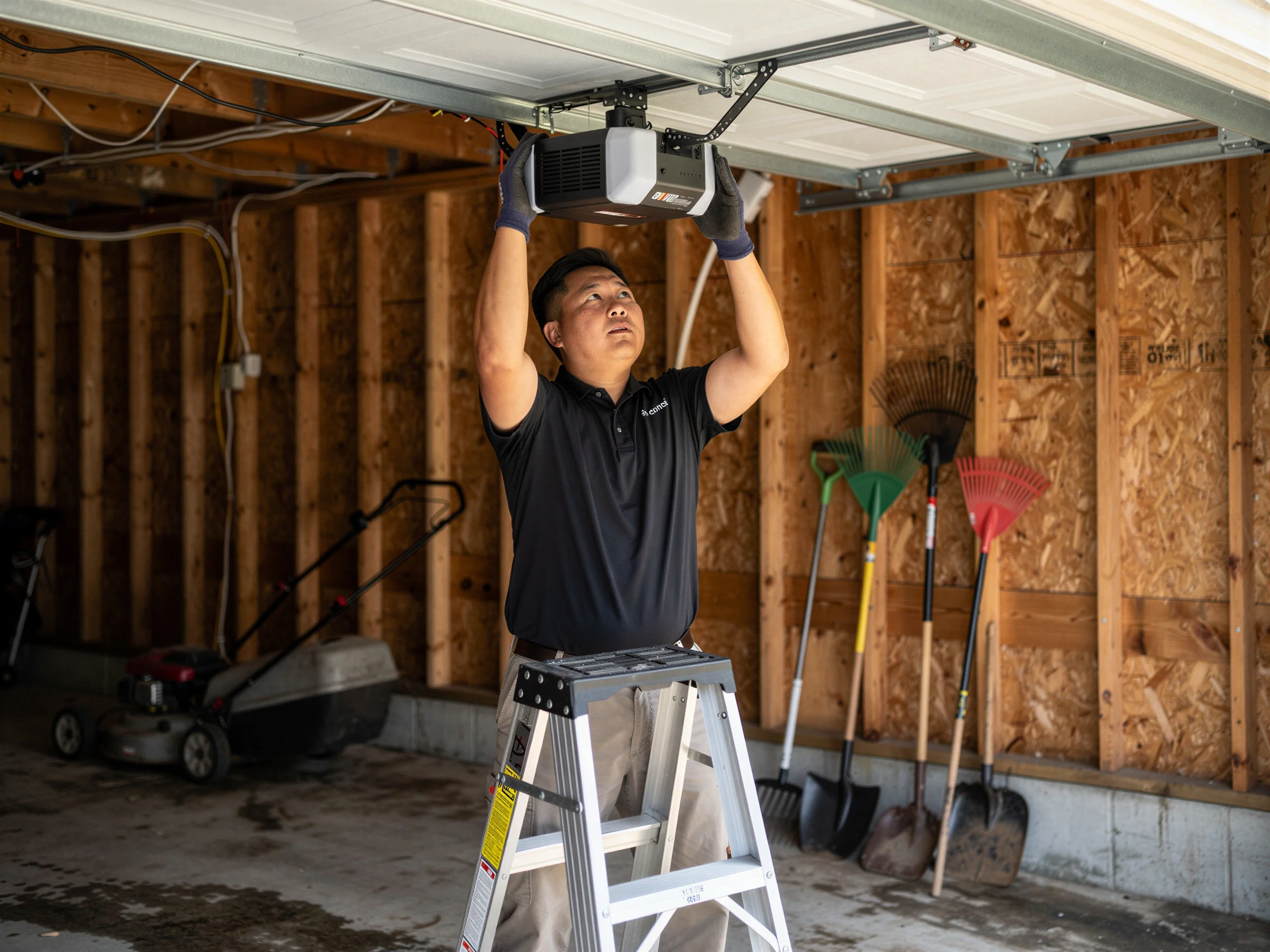
A lot of the openers we're called out to in this service area are on houses built well before 1990, and parts for units that old aren't always stocked anywhere - sometimes the honest answer is that a thirty-year-old opener costs more to keep alive than to replace.
No phone pricing guesses
We quote after we look at the unit, not before, because guessing a price over the phone on a fault we haven't seen is how homeowners get surprised later. If your opener is original to a house built in the 1940s or 1950s, expect the conversation to include replacement as one of the options, not just repair.
How Long You Are Without the Door
Downtime depends on the fault, not the day of the week. A dead capacitor or a stripped gear is often a same-visit fix if we're carrying the part on the truck.
Logic board sourcing
A logic board failure on an older opener is a different story - if the board isn't made anymore, we're sourcing a compatible replacement or moving you to a new unit, and that takes longer than a same-day call.
Cold-weather call clustering
Cold-weather failures tend to cluster, which means more calls stacking up on the coldest days of the season, and that affects how fast we can get to any one house, not just yours. We won't tell you a number we can't back up.
Manual release in cold
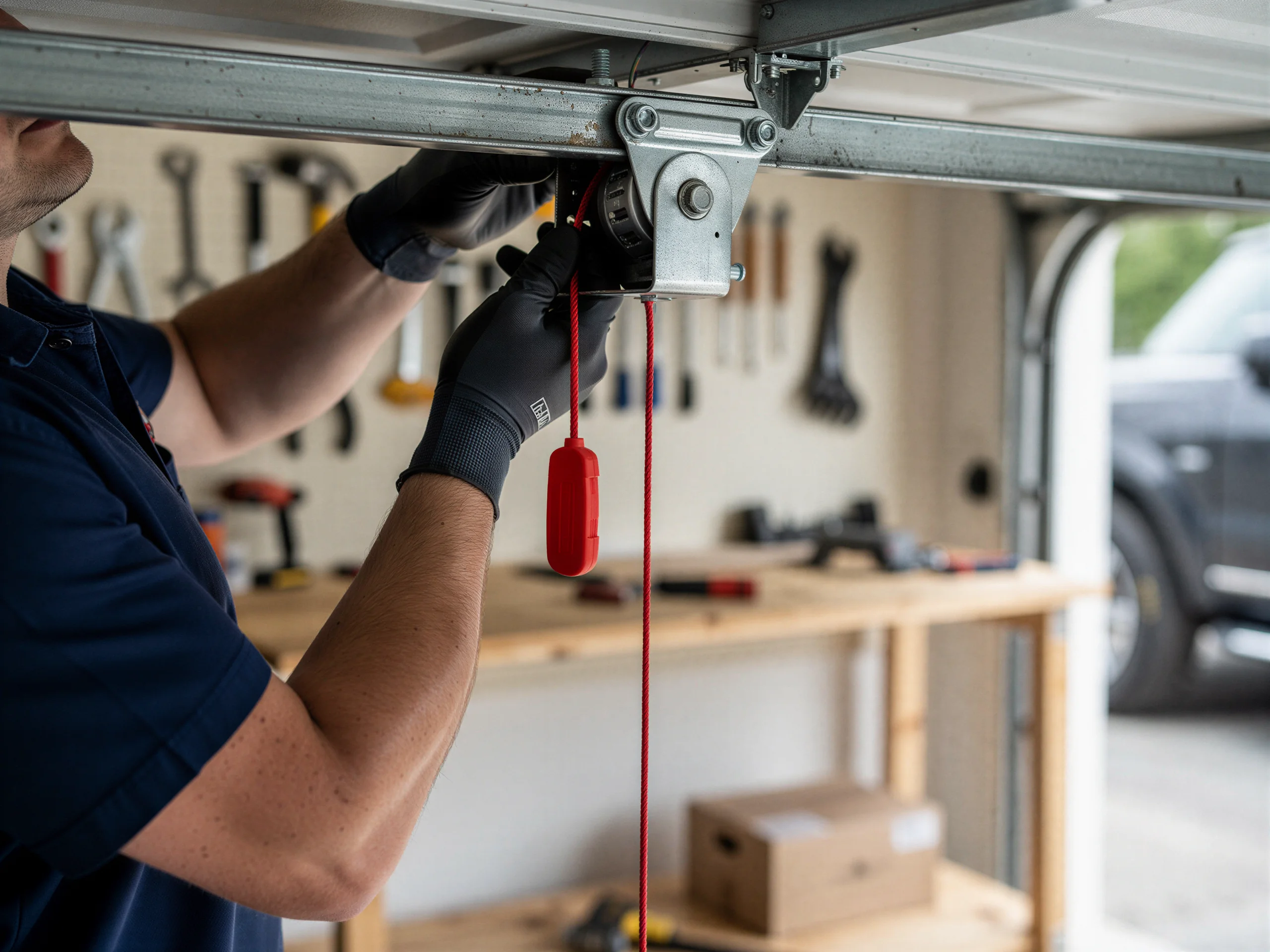
What we will tell you is that a door stuck shut in a severe-cold stretch is not something to leave for a week - a manual release lets you operate the door by hand until the opener itself gets fixed, and that's worth knowing before you're standing in the driveway in January wondering how to get the car out.
What Causes It Around Here
Housing across this service area mostly went up between 1938 and 1989, with a median build year of 1948, and across the 34 named communities in the area the stock runs mostly pre-1960. That matters for openers specifically: a lot of these garages were built with a single-car opening and shallow headroom, framed for hardware that predates the chain-drive and belt-drive units sold today. When a newer opener gets mounted on an old rail or bracket setup, the mismatch shows up as strain on the motor, not just on the door. Add in a cold-severe climate band - the kind of winter where lubricant stiffens, metal contracts, and a marginal capacitor finally gives out - and openers that were already working harder than they should fail exactly when you need the door most. We see this pattern across the service area: older housing stock plus hard winters means opener failures aren't random, they're seasonal and they're concentrated in houses of a certain age.
How It Shows Up
The most common complaint is a door that won't respond to the remote or the wall button at all - no hum, no light, nothing.
Cold capacitor failures
That's usually a dead capacitor or a tripped circuit, more common on the coldest mornings of the year. Next most common: the opener hums but the door doesn't move, which points to a stripped gear or a worn sprocket, a wear pattern we see a lot on units installed as a second or third opener in a garage with older track hardware.
Reversing from sensor drift
Some owners get a door that reverses partway up or down for no clear reason - that's often a sensor knocked out of alignment or a logic board starting to go.
Loose mounting bracket
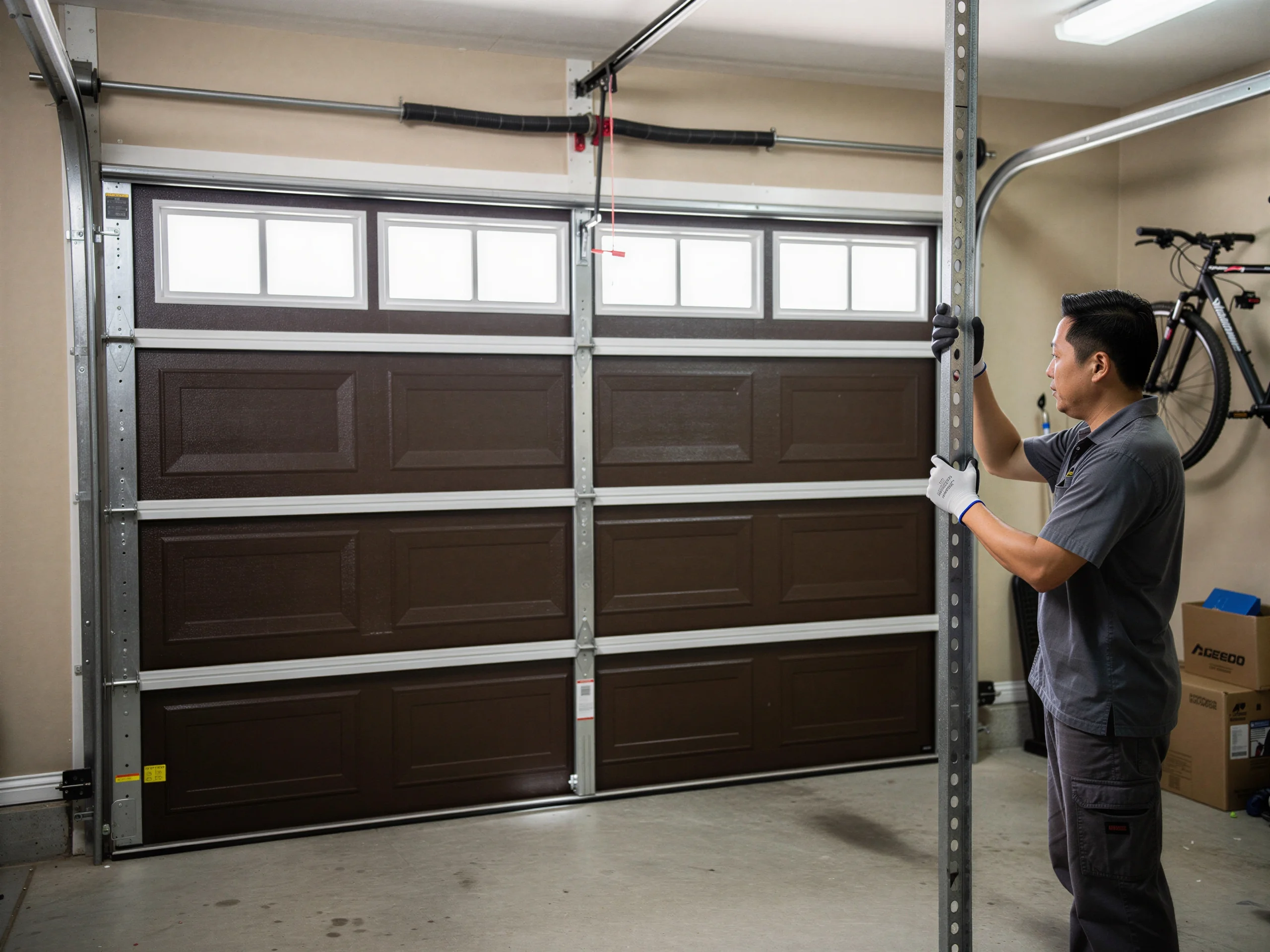
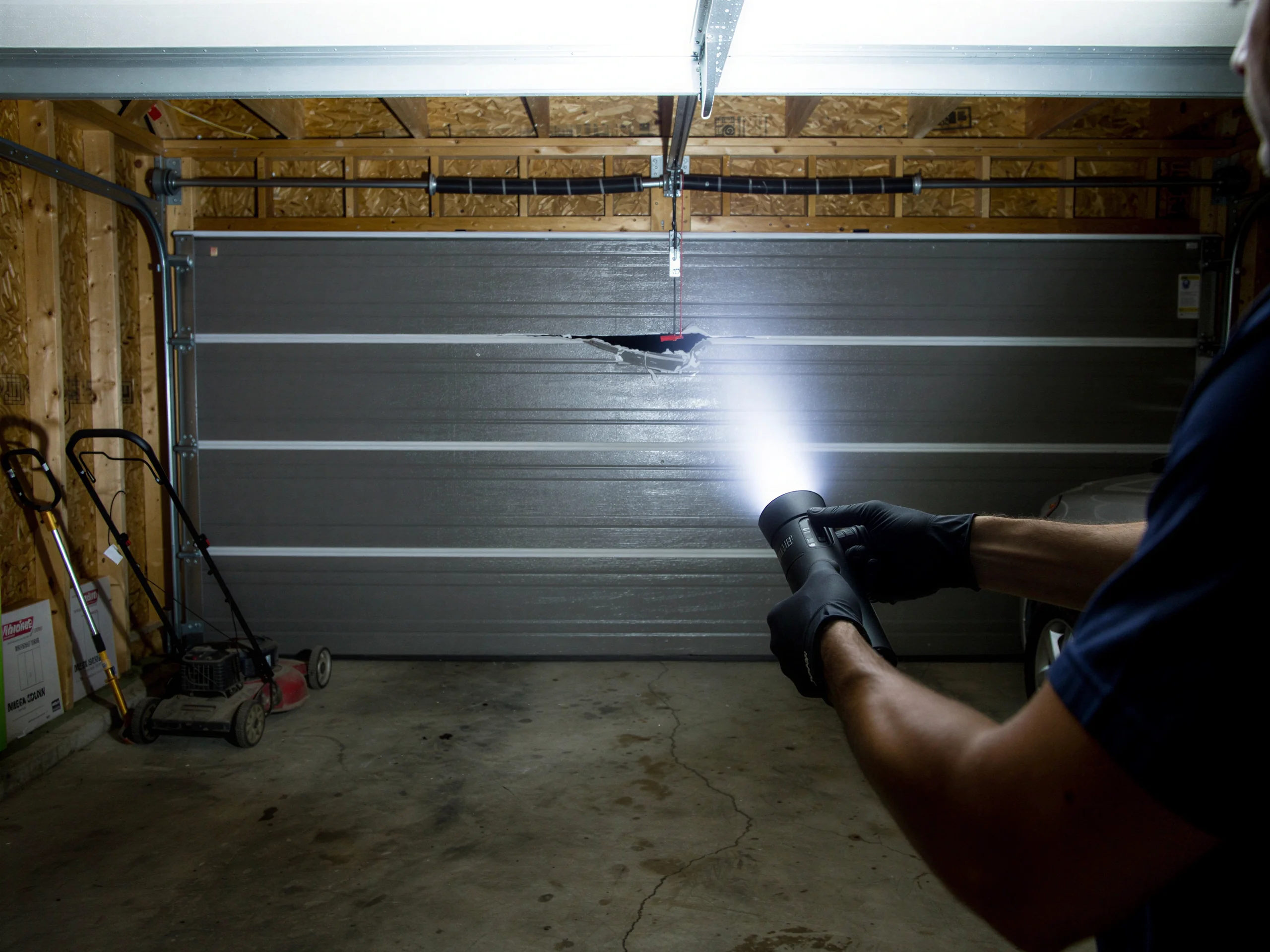
And in houses with original garage framing from the 1940s and 1950s, we sometimes find the opener itself is fine but the mounting bracket has worked loose from decades of vibration, which looks like an opener problem until you're underneath it with a flashlight.
Talk to a local pro
Garage door service in Utica?
Same-day service with honest, upfront quotes.