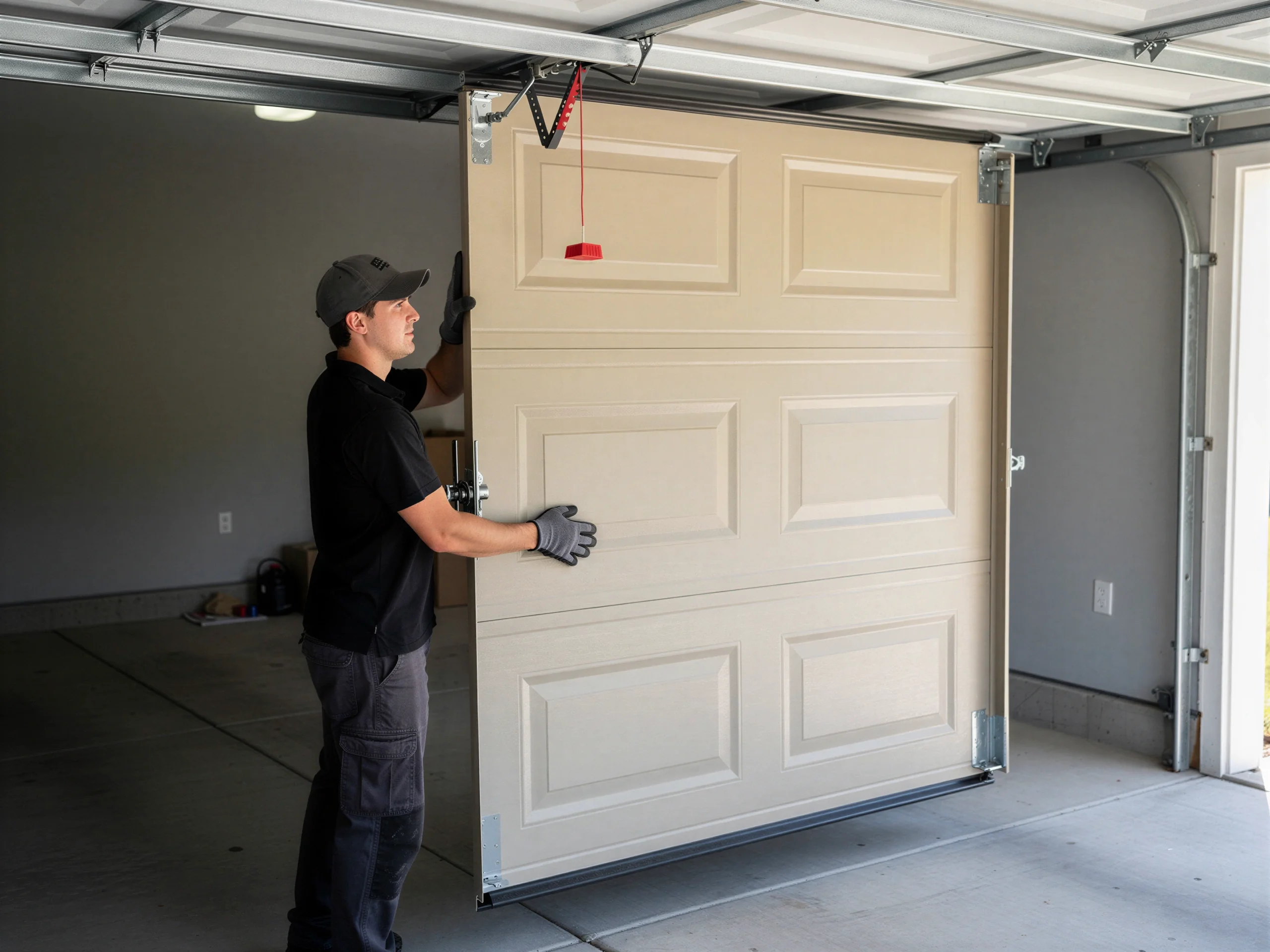
Doing It Yourself
A house in Rome built around 1954 almost never has the torsion-spring setup you see on newer construction. What went up during that build boom typically carries a pair of extension springs stretched along the horizontal tracks, with a safety cable (if it has one at all) that nobody's checked in decades.
Extension spring flight risk
That's a different animal to work on than a torsion bar, and it's also the setup most likely to send a spring flying off the track when it lets go. There's real DIY territory here: tightening loose hinges, lubricating rollers, replacing weatherstripping, swapping a worn remote battery.
Safe DIY maintenance tasks
All fine with a ladder and an afternoon. What isn't fine is touching the springs themselves. Extension springs under tension store enough energy to break a hand or worse, and the older the door, the more likely the mounting hardware around them is also tired steel that wasn't built to today's load ratings.
Old opener gears worn
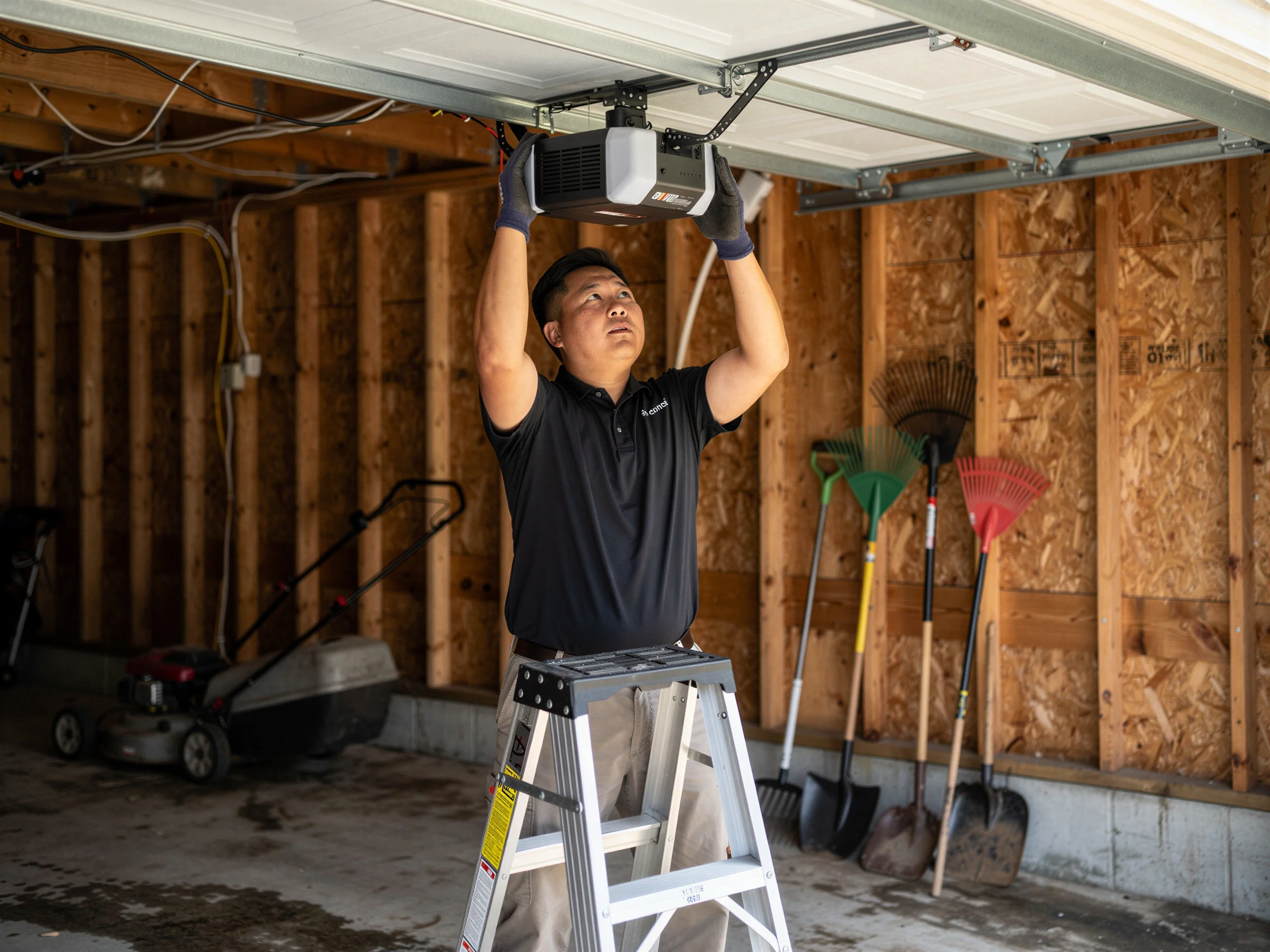
If your opener is from the same era as the house, the gears inside have likely worn past any lubrication fix. We're honest about that one: a 1980s chain-drive opener on a door from 1954 isn't a tune-up job, it's a replacement conversation, and we'll tell you that straight rather than bill you for a patch that won't hold.
What It Costs
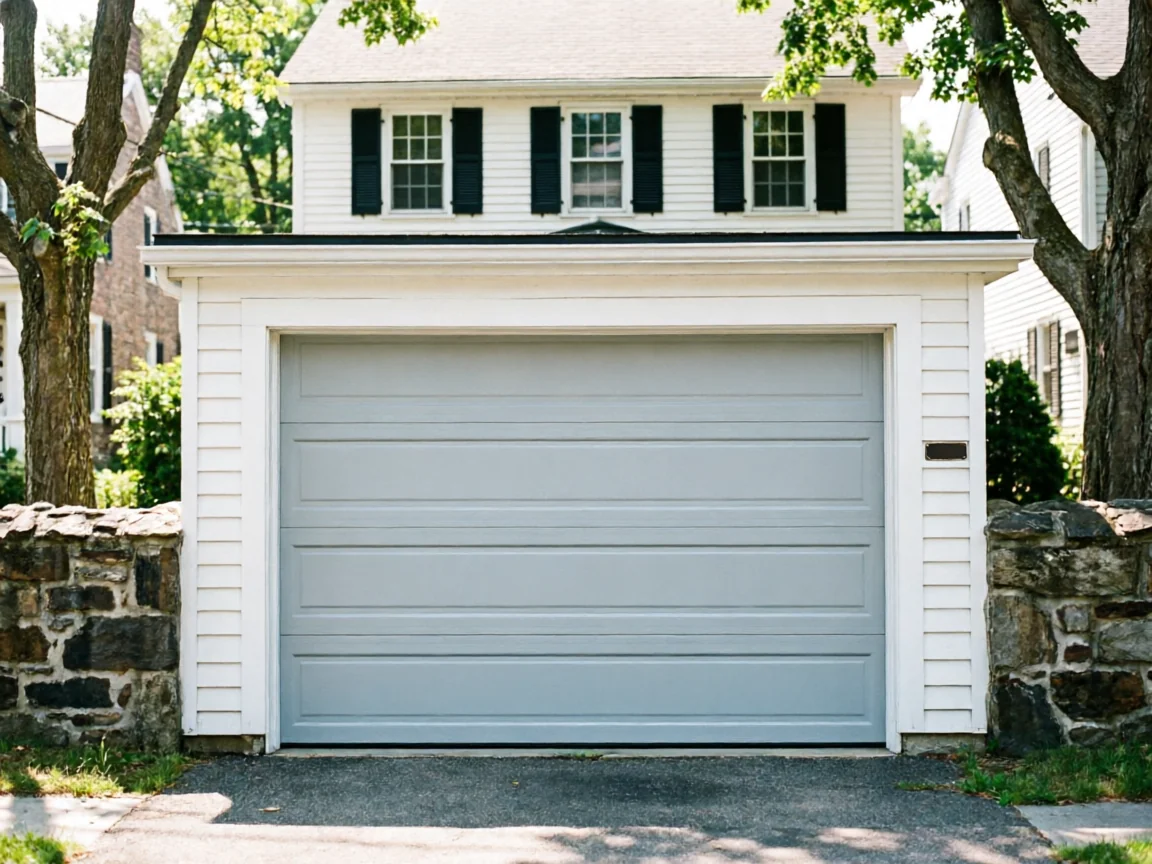
Rome's median household income sits at $58,857, lower than Utica's own, and that shapes which repairs make sense here versus a straight replacement. A spring swap or cable replacement on an older extension-spring door is usually the cheaper path and the one most homeowners in this income range choose first.
Replacement only if needed
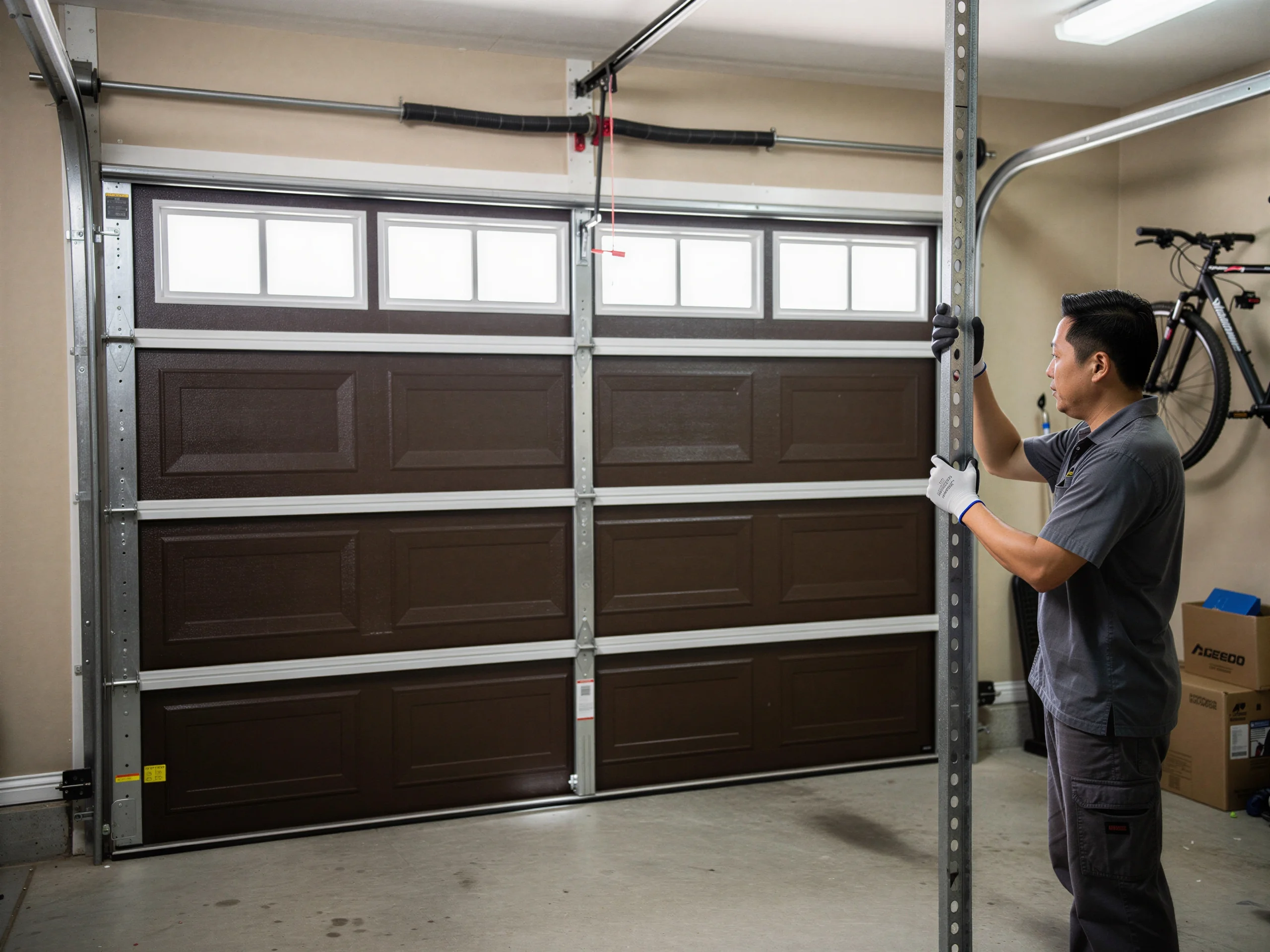
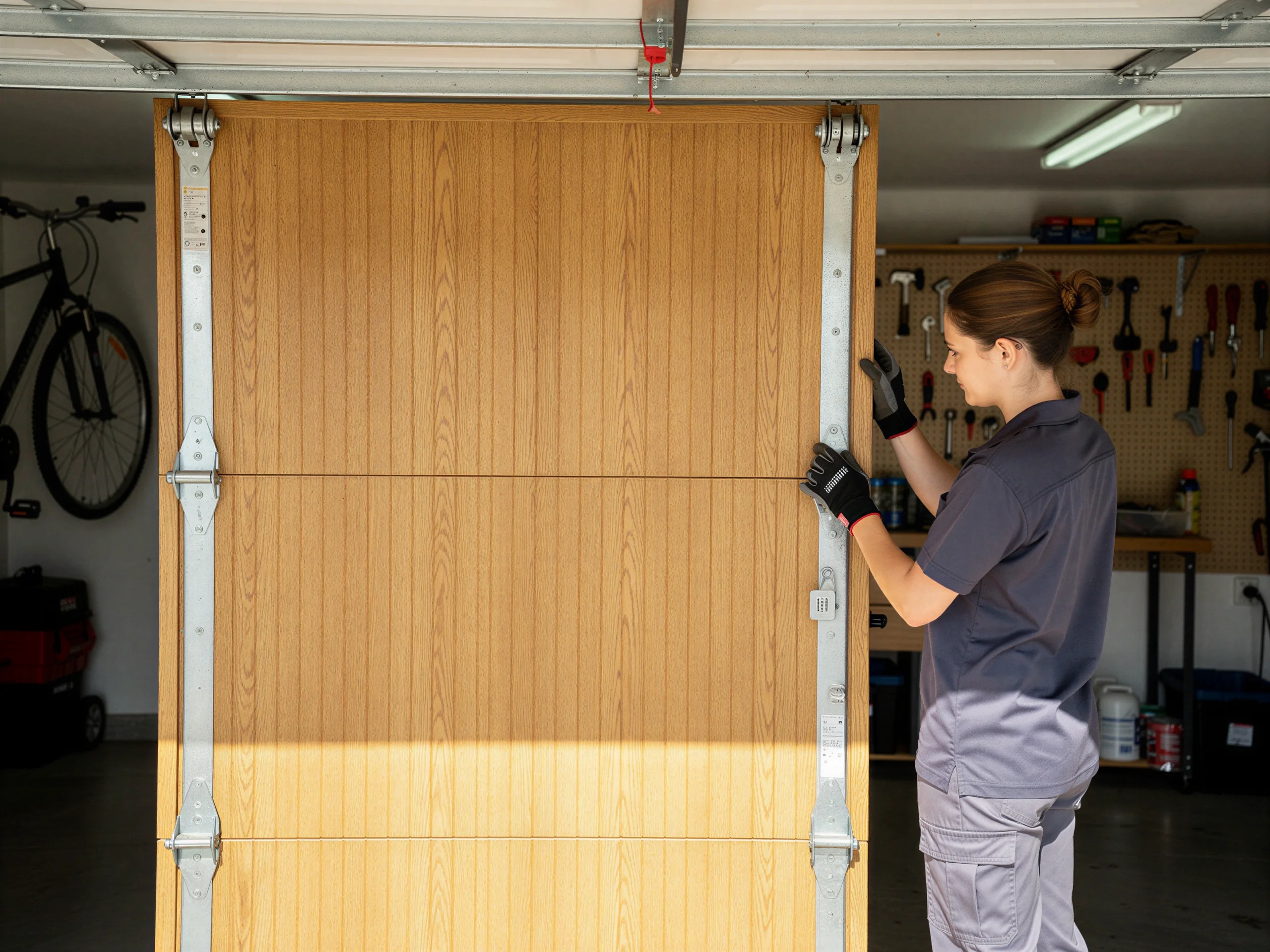
A full door replacement is a bigger outlay, and we won't push it if the existing hardware still has life in it. We don't list prices here because every job depends on door size, spring count, and what's actually failed once we're looking at it in person.
Obsolete track or spring
What we can tell you is that repairs on pre-1960 doors sometimes run into parts that aren't sold off a shelf anymore - a nonstandard track width or an obsolete spring wind that needs sourcing before the job can finish.
Diagnosis then fix visit
That's the honest limitation: if your door is original to the house, the first visit may be diagnosis and the second visit is the fix, because we're not going to guess at a part.
How It Shows Up
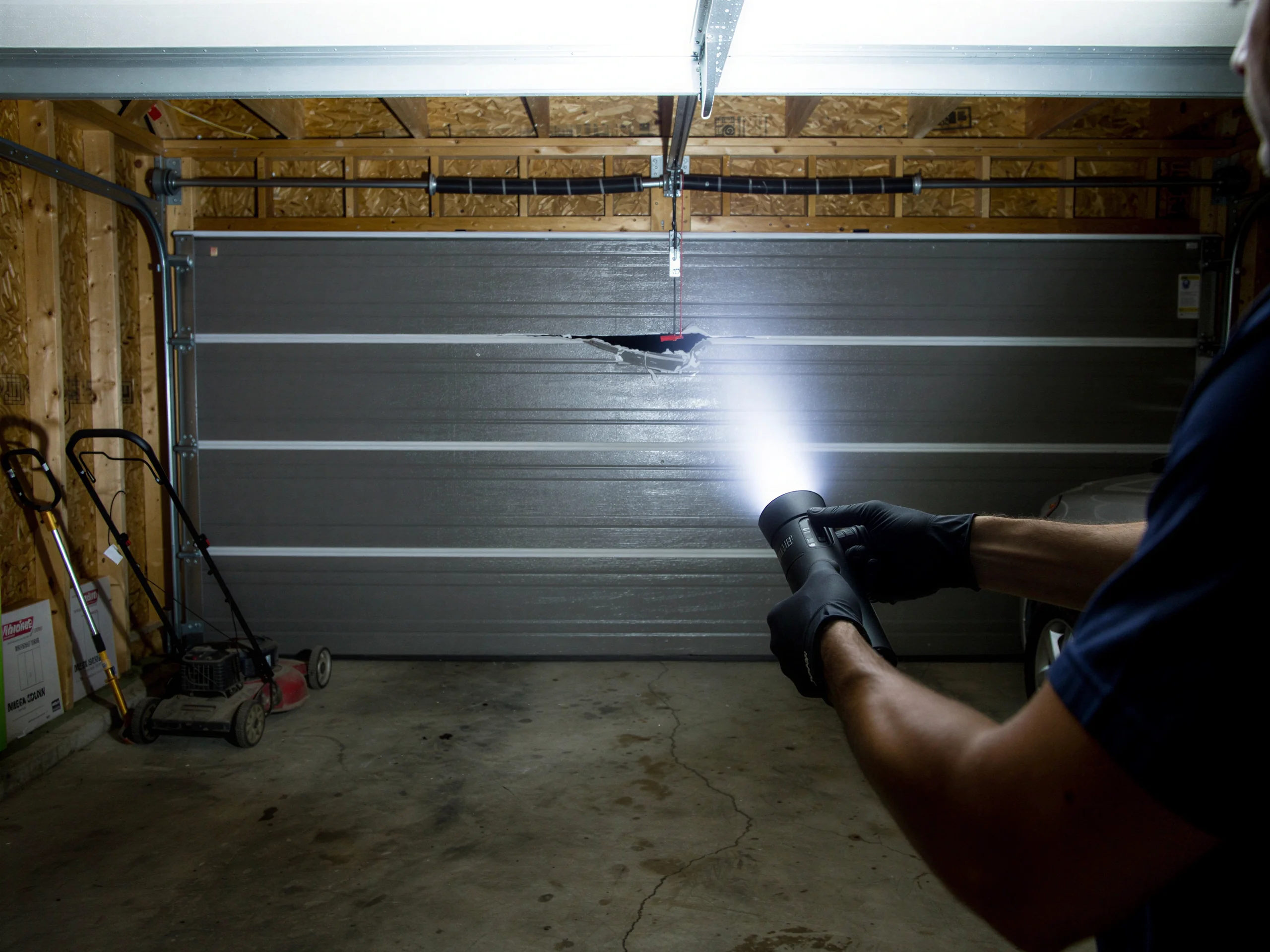
The service area sits in a severe-cold climate band, and that matters more for a door built in 1954 than one built in 2010. Steel contracts in deep cold, and on an older panel door with worn weatherstripping, that contraction is often what finally snaps a spring that was already fatigued - you'll hear it as a loud bang from the garage on a cold morning, not a slow failure.
In Rome specifically, with most of the stock dating to the 1950s building era, the complaints we hear are consistent: a door that won't budge after a cold snap, a cable that's frayed where it wraps the drum, or an opener motor straining because the spring isn't carrying its share of the door's weight anymore. None of that is dramatic until the day the spring actually lets go, which is usually mid-lift, with the door half open and all the tension transferred to the cable and opener.
Booking a Visit
We cover Rome from Utica, about 16 miles out, along with the other towns and areas in the service territory. There's no branch office in Rome itself - we run the job from Utica and bring what the diagnosis calls for.
When you call, tell us the door's approximate age if you know it, and whether it's the original opener or a replacement. For a town where most houses were built mid-century, that one detail - original or replaced - tells us more than almost anything else about what we'll find on arrival, and it lets us bring the right spring stock instead of guessing.
What the Repair Takes
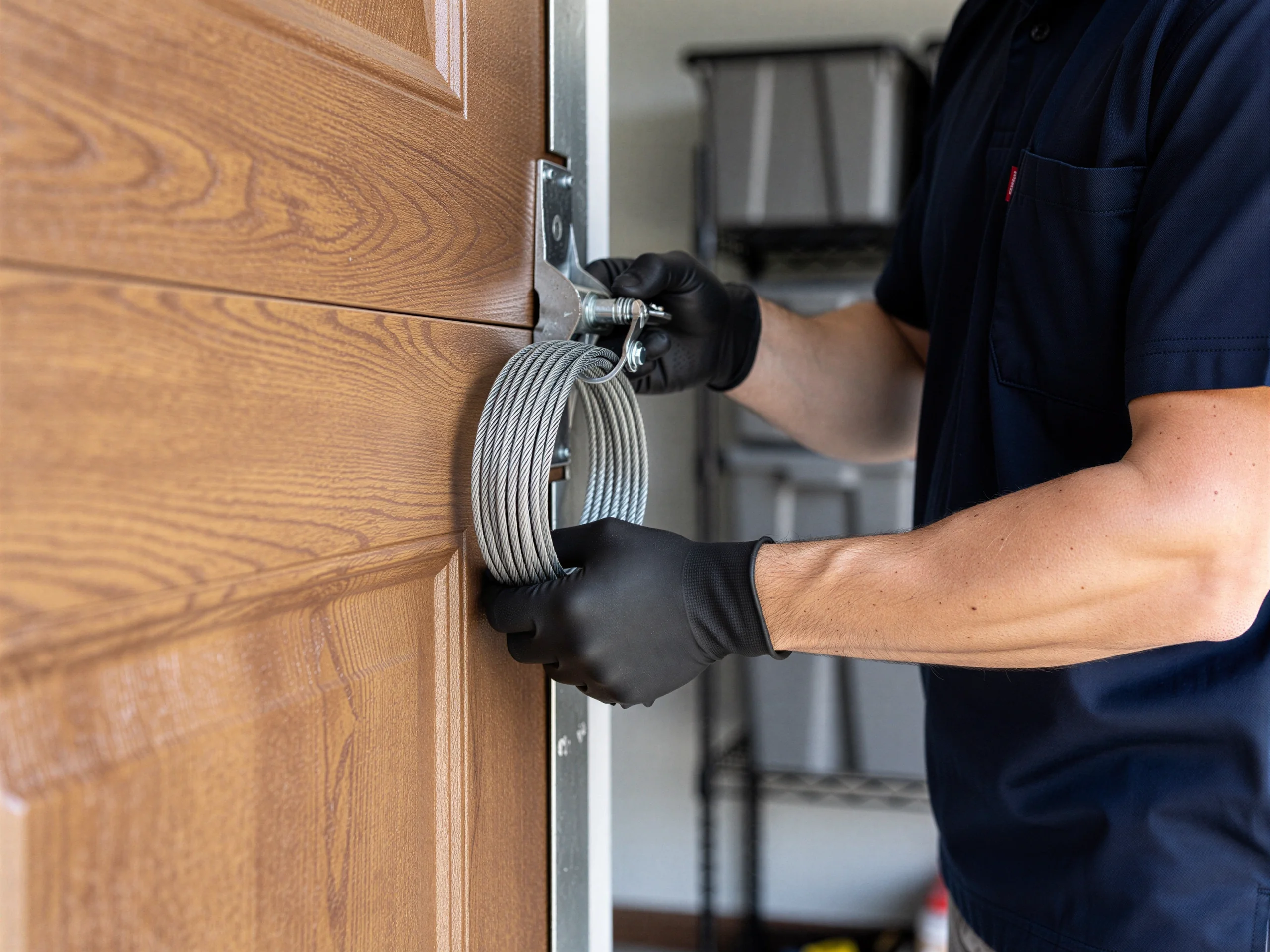
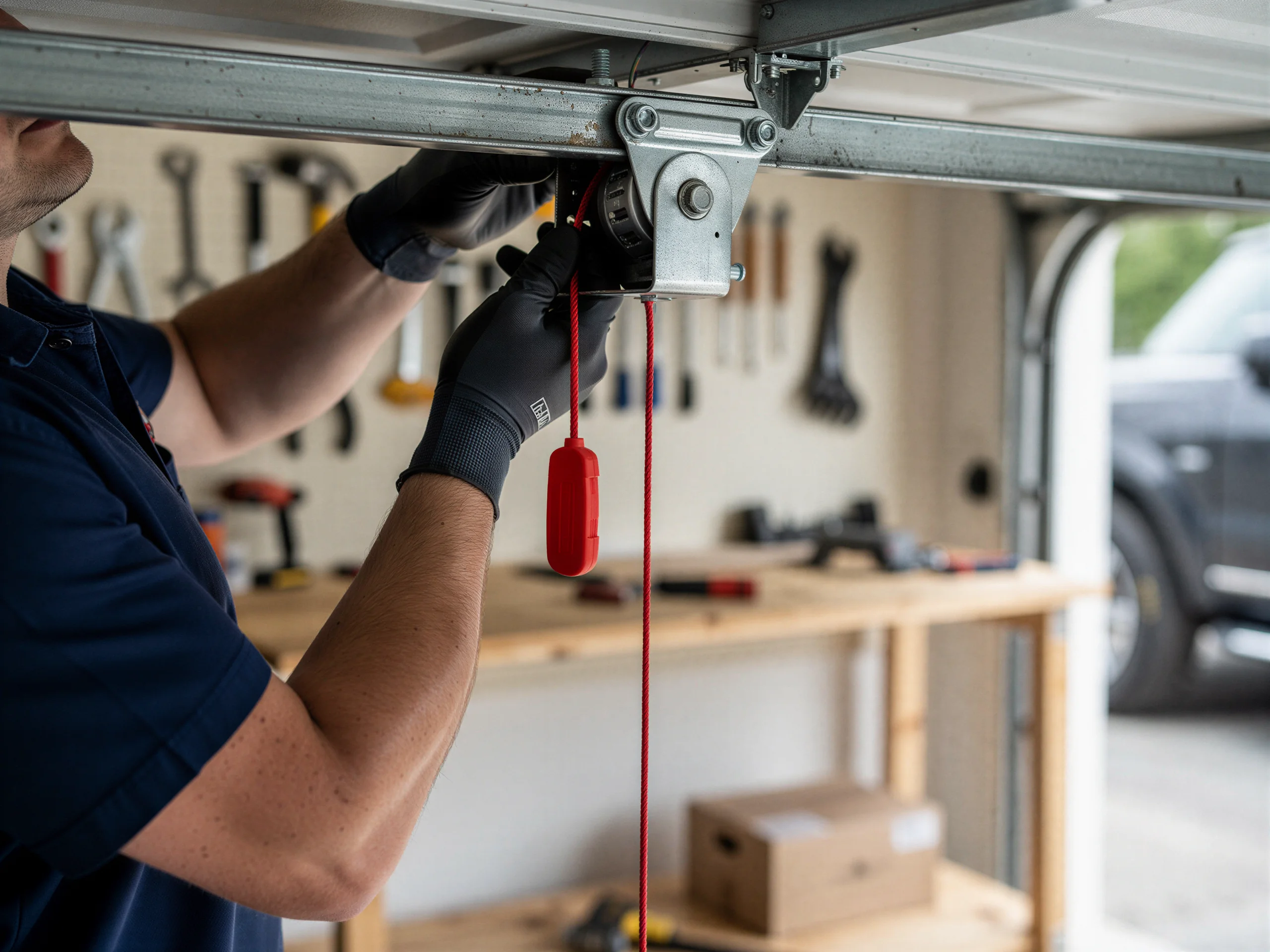
On a door that's kept its original 1950s-era hardware, the repair usually starts with confirming what's actually original. Extension springs from that era weren't standardized the way torsion springs are today, so measuring wire gauge, coil diameter, and length matters before anything gets ordered.
Same-visit common parts
If the part is a common size, the job is same-visit. If it's an odd original size, we may need to source it, and we'll say so rather than force a near-match that won't carry the door's full weight.
Rome failure pattern counts
With 13,859 households in Rome and a housing stock concentrated in that same postwar window, we see enough of these setups to know the common failure points: the stationary cone bolts loosening at the end of the spring, the pulley wearing where the cable rides, and the drum itself occasionally cracking on older doors.
Torsion conversion option
We check and replace the rest of the hardware that's reasonably worn at the same time, since labor is already on-site to open the system up. Converting to torsion is an option we'll bring up if the extension setup keeps failing, but we won't push it if a straightforward spring swap is doing the job.
Talk to a local pro
Garage door service in Utica?
Same-day service with honest, upfront quotes.