Doing It Yourself
Rome sits 16 miles out from our shop in Utica, which changes how we plan an install day more than most homeowners expect. We don't carry a second set of doors on standby the way we might for something five minutes away - every job here gets its own trip, loaded for what the opening actually needs, because a forgotten jamb bracket means driving back.
DIY kit instructions
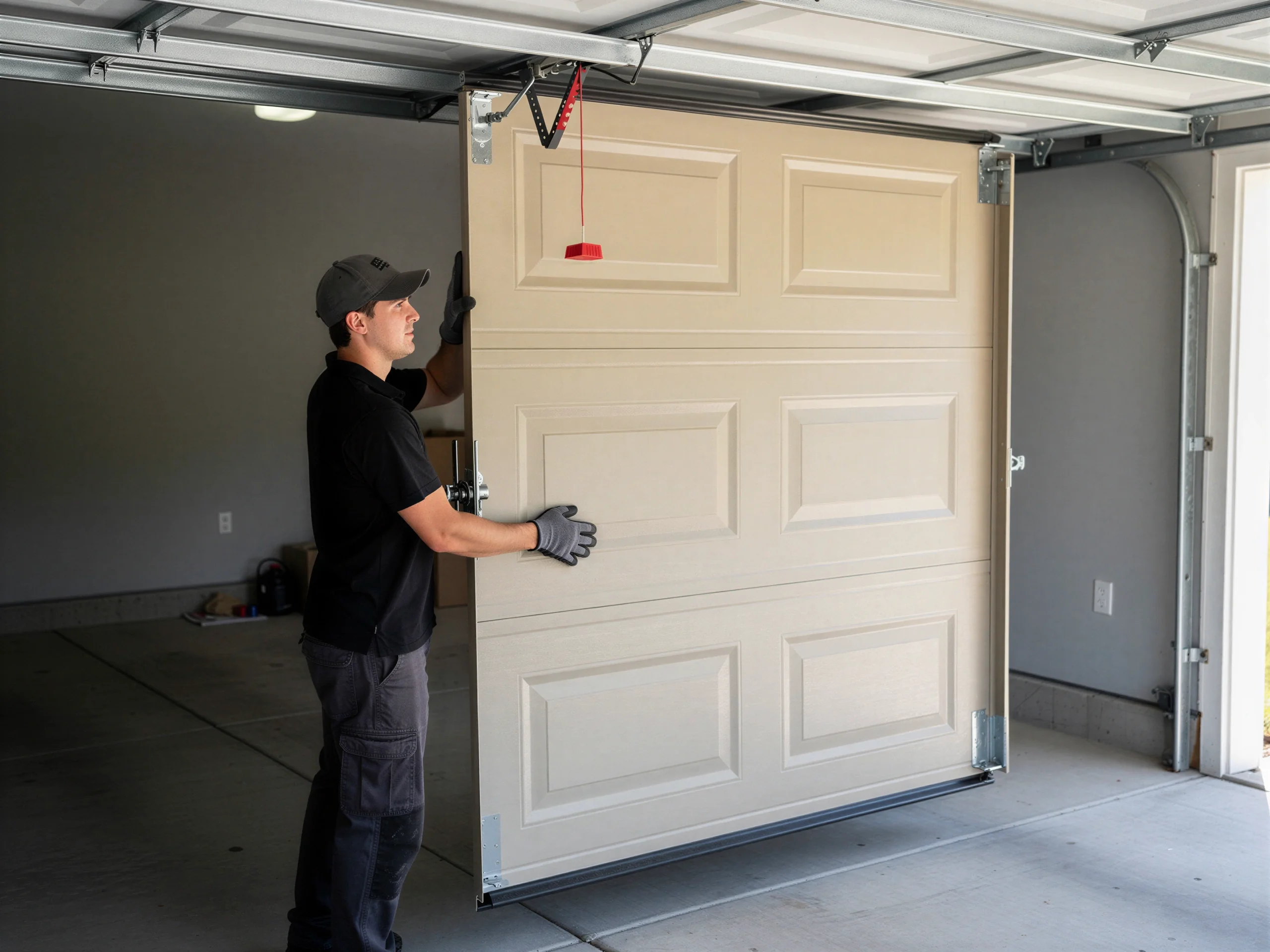
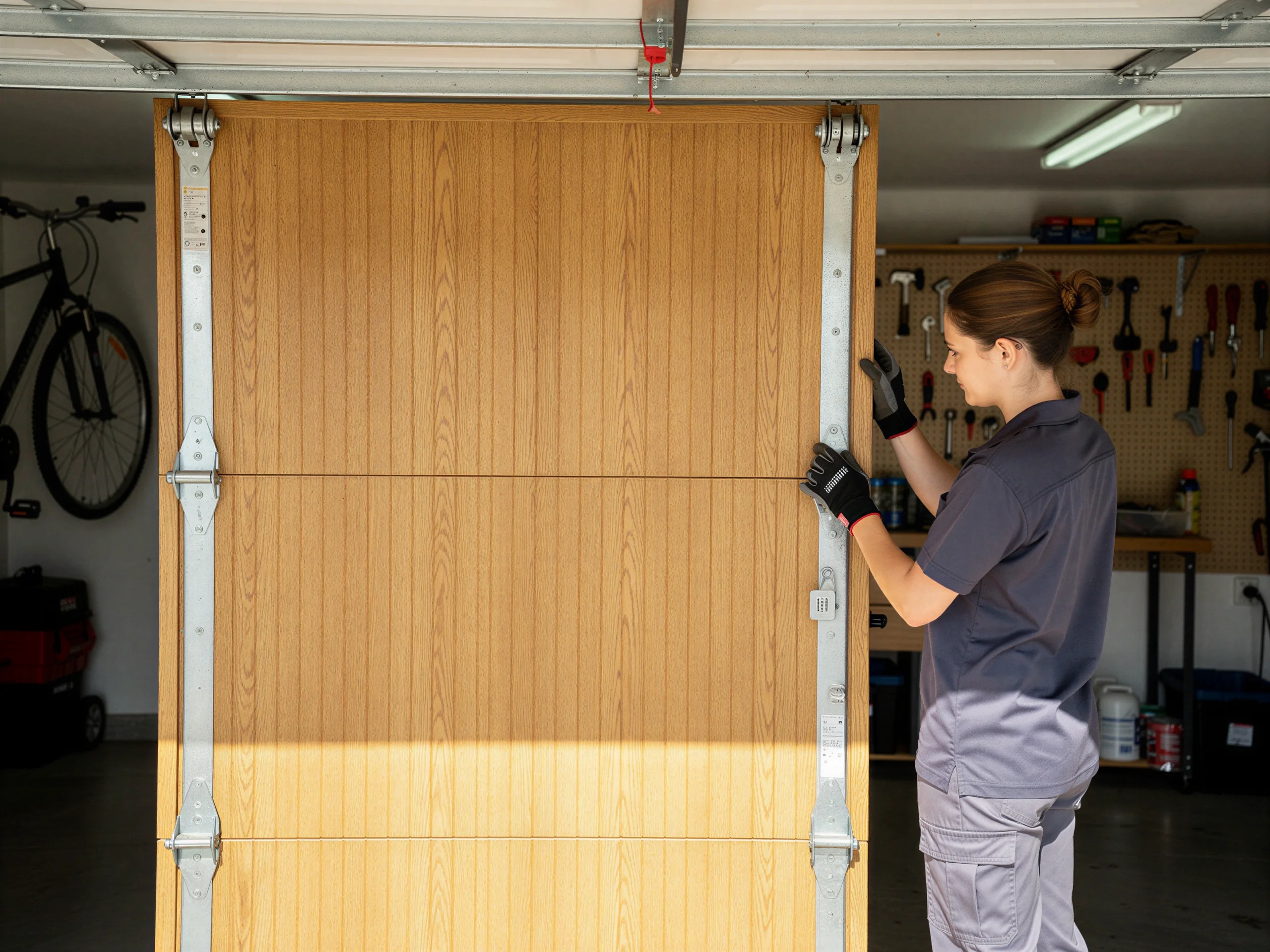
That's not a complaint, it's just the math of the route. If you're weighing a DIY install, the honest answer is that a new door isn't the hard part - most kits come with clear instructions for the panels themselves. The hard part is the opening underneath it.
Postwar header dimensions
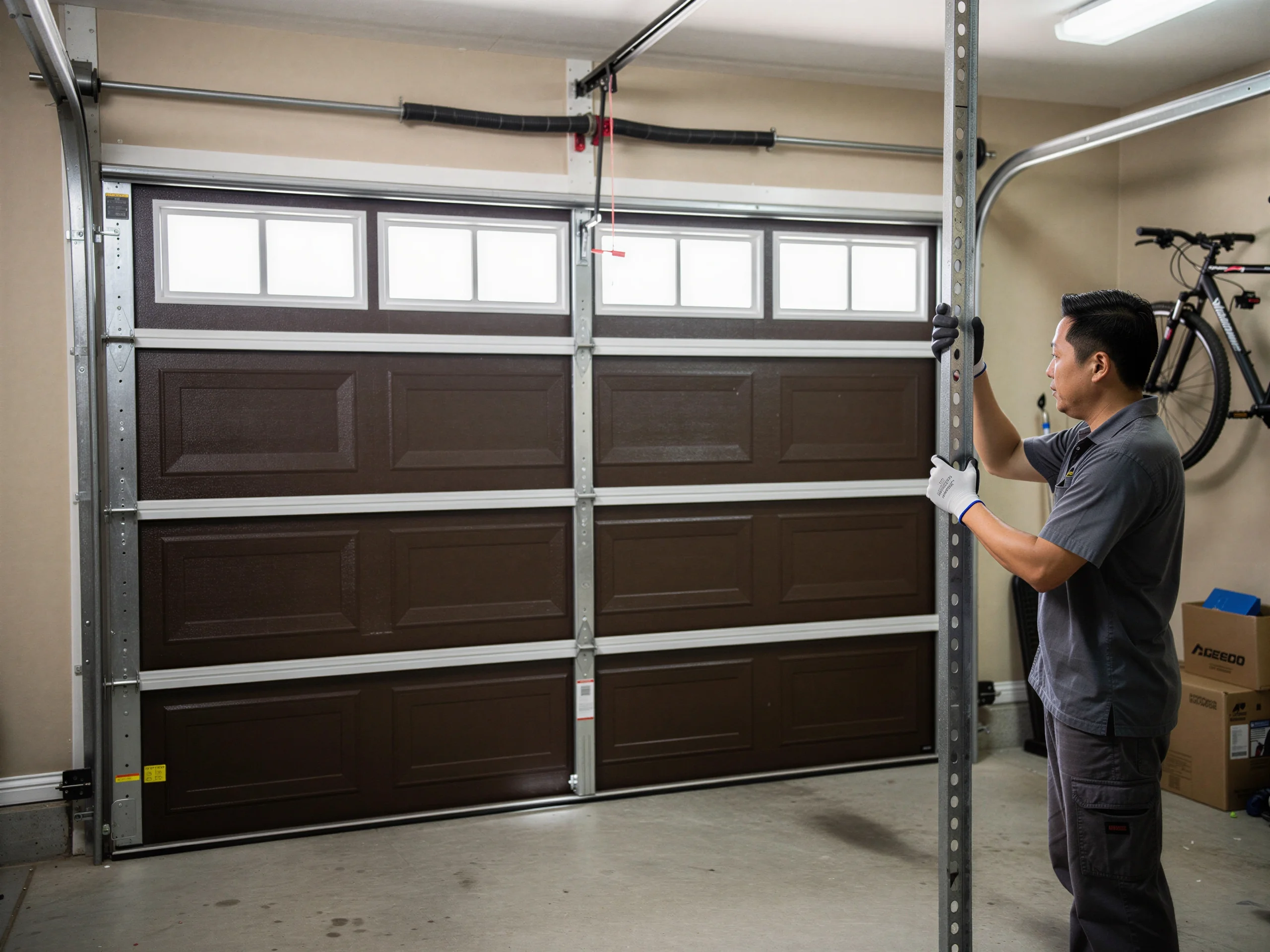
In a city where the typical house went up around 1954, framing dimensions and header heights were set to whatever the original builder's door required, which is often not what's sold off a shelf today. Get the jamb width wrong by even half an inch and the door binds on the track within a season.
Crooked install risk
We'd rather talk you through what to check before you order than show up to fix a door installed crooked. If the opening is square and standard, a confident DIYer can do it. If it isn't, that's where the trip from Utica earns its keep.
What It Costs
Rome's median household income runs $58,857, noticeably below the wider service area's $68,425, and that gap shows up in the jobs we quote here more than in the jobs we quote closer to Utica itself.
Single steel door demand
We see more requests for a straightforward single steel door, fewer for the insulated double-wide units that get specced in newer construction elsewhere in the territory. We don't have a published price list to hand you here - every quote depends on door size, insulation, opener compatibility, and what the existing framing needs to accept a new unit.
Narrow openings cost less
What we can say is that a city built mostly before 1960, per the wider housing data, tends to have narrower standard openings than newer subdivisions, and narrower openings generally cost less to fill because there's less door to build and less hardware to size up.
Altered opening surcharge
The honest limitation: if your opening has been altered from the original dimensions, or the header was never built to carry a heavier insulated door, that adds a step to the job and to the quote. We'll tell you on the visit, not after we've already cut anything.
How It Shows Up
The climate here is cold and severe by the federal data covering this area, and that matters more for a new install than people assume. Cold means the steel panel contracts, the weatherstrip stiffens, and anything slightly out of plumb at installation gets worse by February, not better. A door hung a little off-level in October will bind, drag, or gap at the bottom seal by the time the real cold sets in.
In Rome specifically, with a housing stock centered on 1954, most openings were framed for doors a generation or two older than what's sold now - thinner, uninsulated, single-layer steel or even wood. Swapping that for a modern insulated door changes the load on the opener and the track, and it's common to find the original header wasn't built with a heavier door in mind.
We check that header and the track alignment before anything goes up, because a door installed slightly out of square in a cold-climate city doesn't fail gradually - it fails at the first hard freeze, usually as a stuck or off-track panel. Getting the install level the first time costs less than fixing it twice.
Booking a Visit
Because Rome is a 16-mile run from our Utica shop, we schedule install visits here in blocks rather than one-offs when we can, which keeps the trip efficient and the quote honest.
Pre-visit intake questions
When you call, we'll ask for the rough age of the house, the current door's measurements if you have them, and whether you want insulation added - all of that shapes what we load on the truck before we leave Utica, not after we arrive.
Coverage without local depot
We cover Rome as part of our wider coverage area, and you can see where else we work from on our coverage page. We're not based in Rome and don't claim a local depot here - we're straightforward about that, because it's better you know the drive is part of the job than find out later it adds a step to scheduling.
Separate repair conversation
If you're also looking at repair rather than replacement, that's a different page and a different conversation - this one's about putting in a new door, not patching the one you've got.
What the Repair Takes
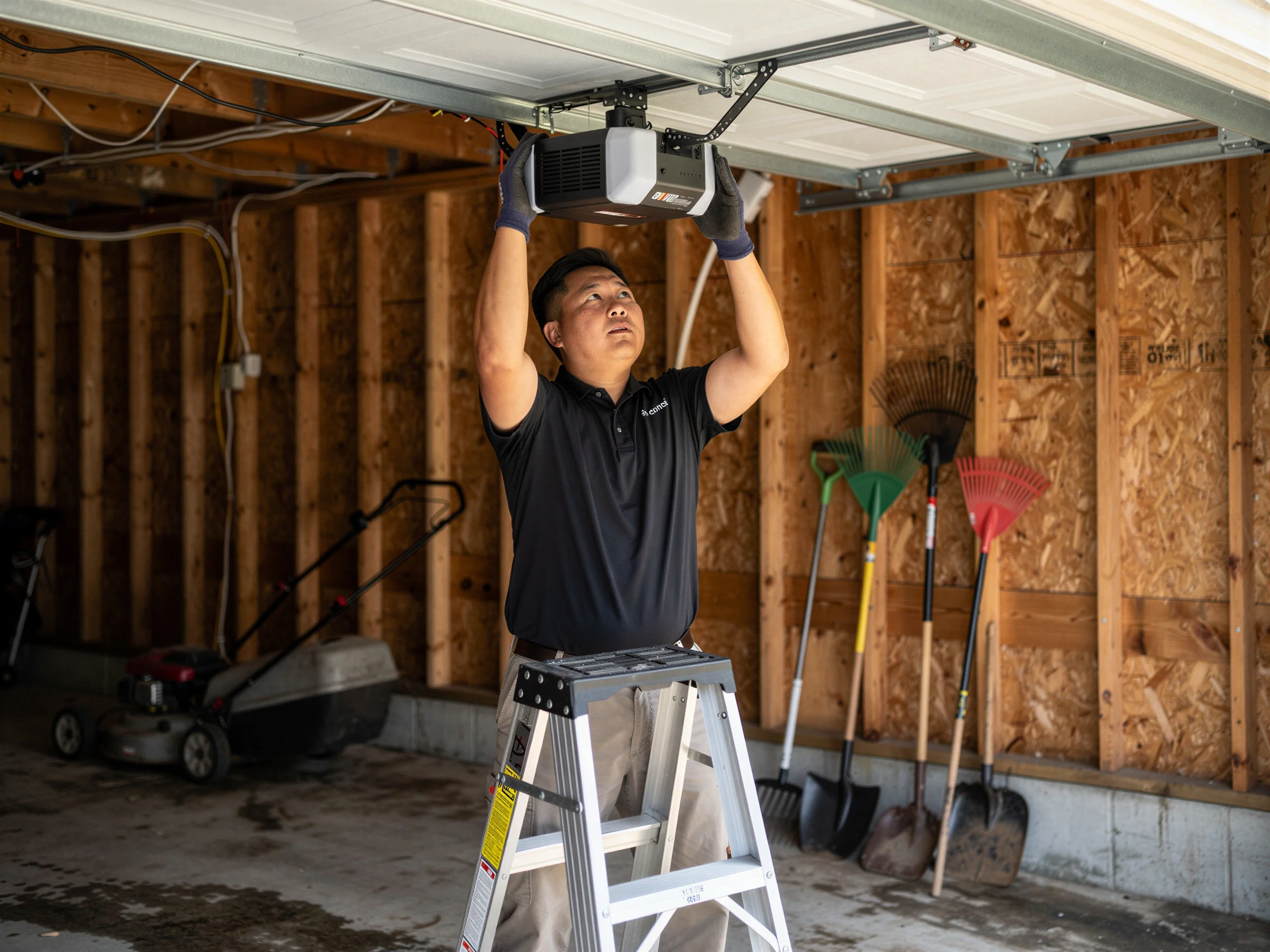
This page covers new installs, but it's worth being clear about where that line sits, since the two jobs get confused often. A new install means a new door, new weatherstrip, and usually new rollers and hinges matched to it - not a patch job on the existing panel.
Single section fix
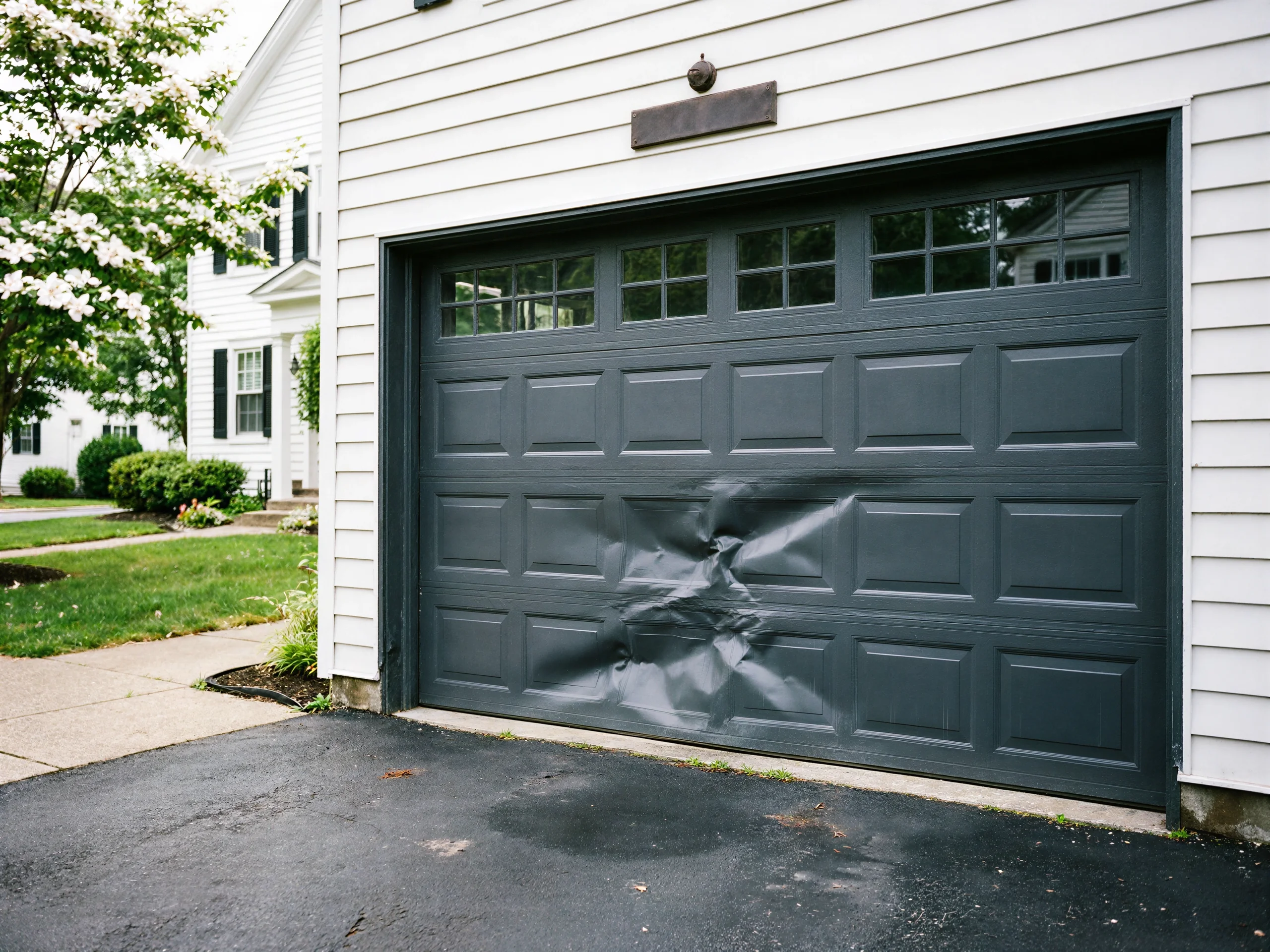
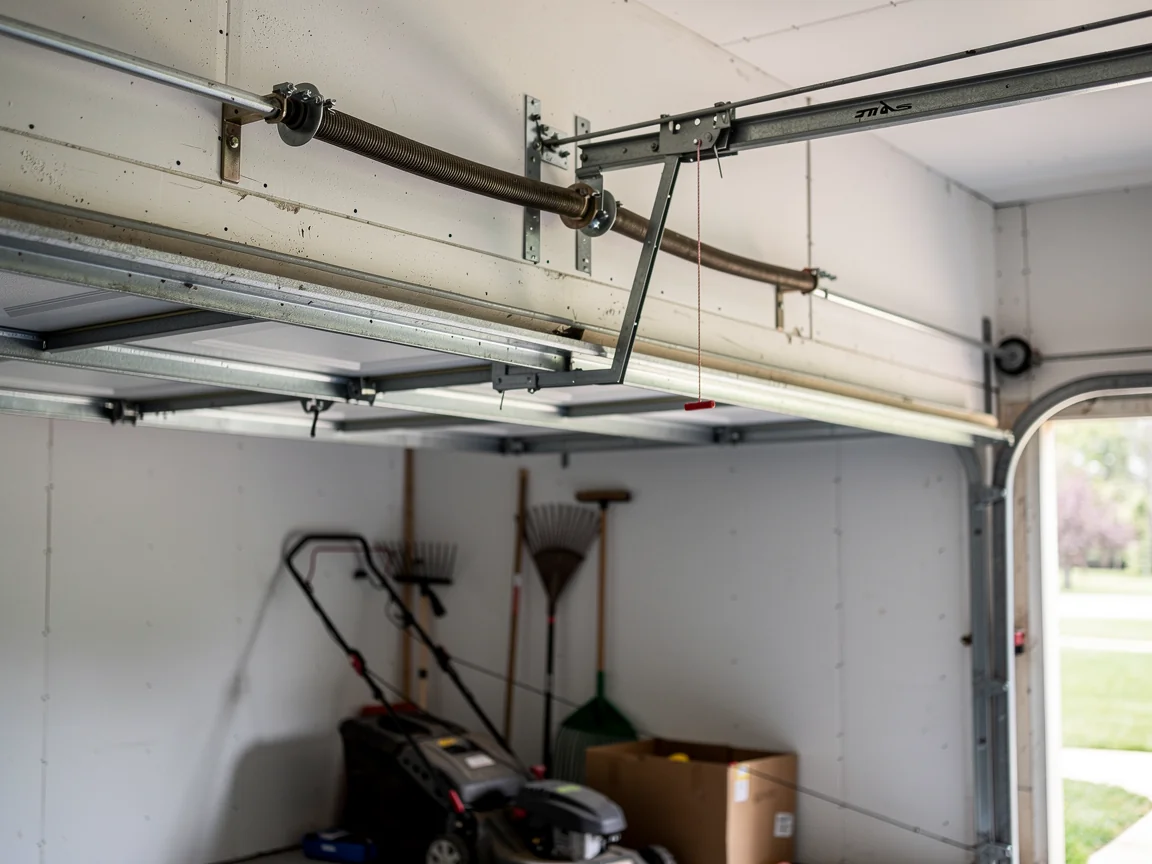
If your current door is a single section away from fine, replacement isn't the right call, and we'll say so. Where Rome's older stock changes the install itself: a city built mostly before 1960 often has openings with less headroom above the door than current torsion spring systems expect.
Half-day install time
We measure that clearance before ordering hardware, because a spring system that doesn't fit the available headroom is a second trip we'd both rather avoid. Once the opening's confirmed, a standard single install usually runs a half day on site - longer if the header needs reinforcing for a heavier door.
Full crew booking
We won't promise a same-day turnaround for every job here; given the drive from Utica, we book install dates when we can commit the full crew and the full load, not squeeze one in between closer calls.
Talk to a local pro
Garage door service in Utica?
Same-day service with honest, upfront quotes.