Doing It Yourself
Rome's housing stock centers on 1954, a touch newer than some of the service area's pre-1960 median but still squarely in the era where garage doors came with steel tracks, galvanized hinges, and panel sections nobody is still manufacturing.
Sourcing matching sections
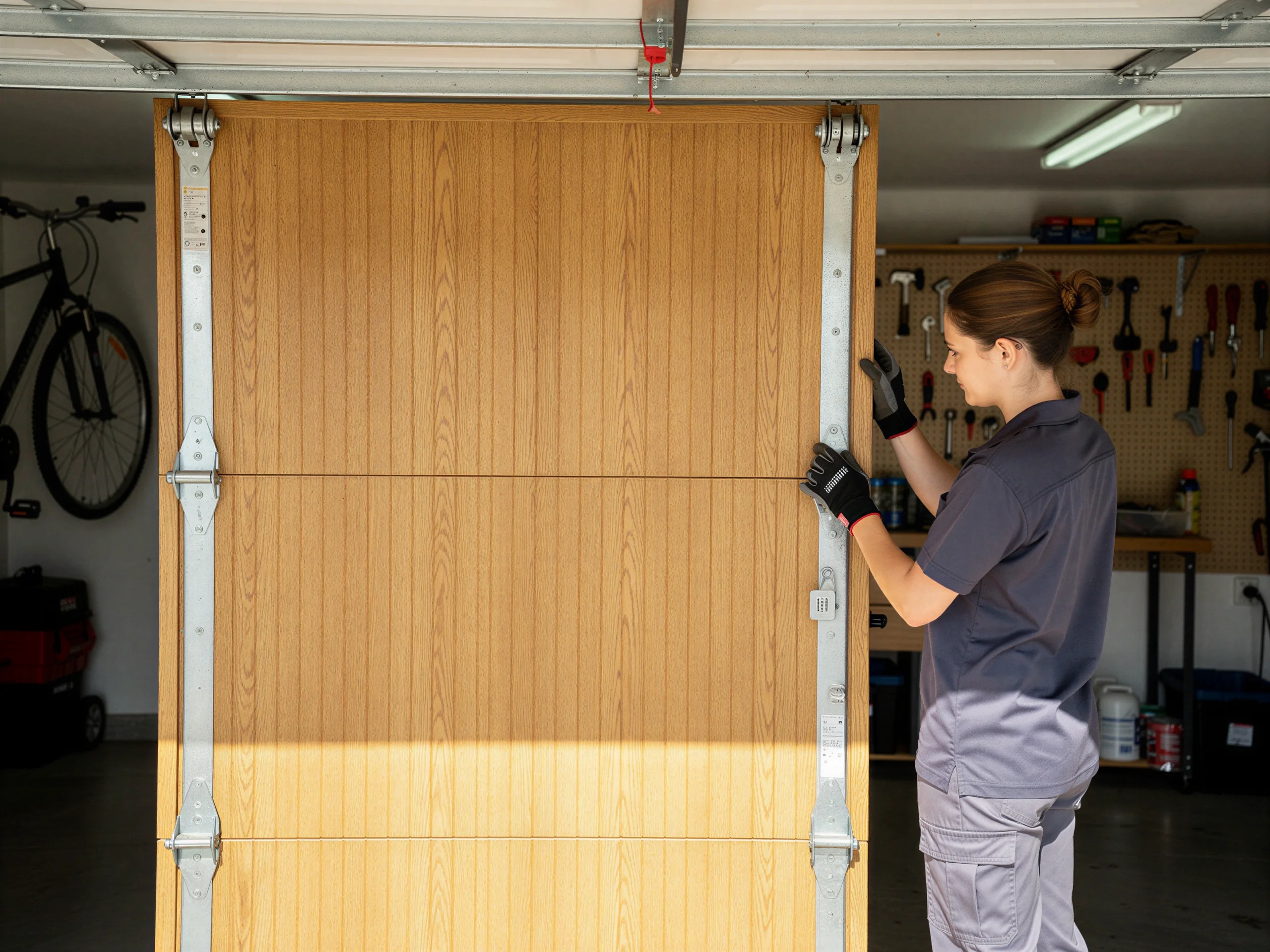
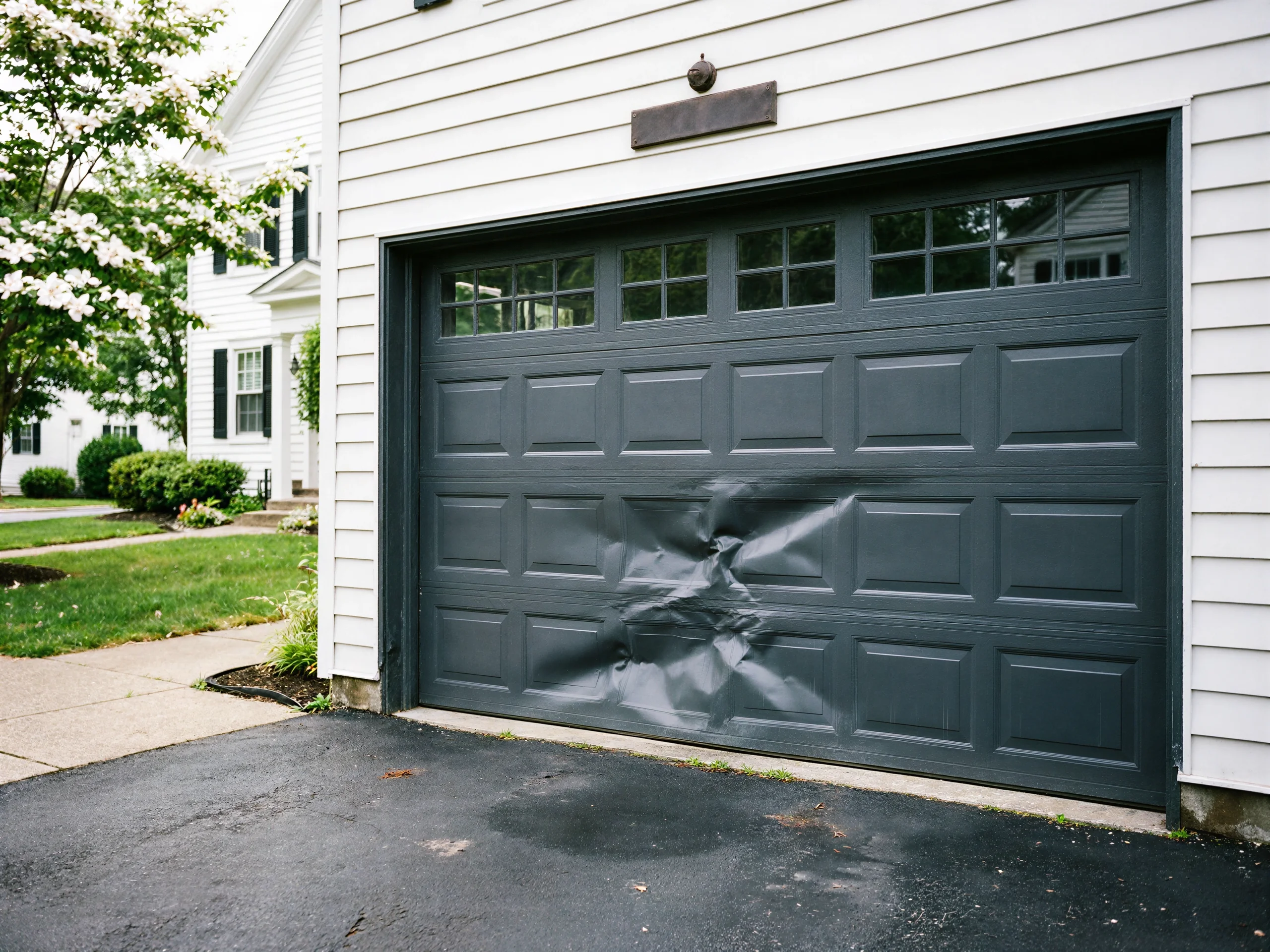
If you're looking at a dented or rusted-through panel on a door that old, the question isn't whether you can unbolt it yourself - you can, with a socket set and a Saturday. The problem is sourcing a matching section. Panel profiles and track widths from the 1950s and 60s don't match what's on the shelf at a big box store, and bolting a modern panel onto 70-year-old hardware usually throws the door out of balance.
Flush fit and roller spacing
We've seen homeowners get partway into a swap and realize the replacement panel doesn't sit flush, or the roller spacing is wrong for the old track. That's not a knock on DIY - it's a hardware-age problem specific to houses built when Rome was still filling in.
Weekend swap conditions
If your door is newer, or you've already had the track and hardware updated, a straightforward panel swap is a reasonable weekend job. If the rest of the door is original to 1954, pull one panel and check the hardware underneath before you order anything.
What It Costs
We don't have pricing specific to Rome to publish here, and panel cost swings too much from job to job to post a number that means anything - it depends on whether the section is steel, wood, or insulated, whether your track and hinges are original, and whether the manufacturer who made your door is still in business.
Hardware drives panel cost
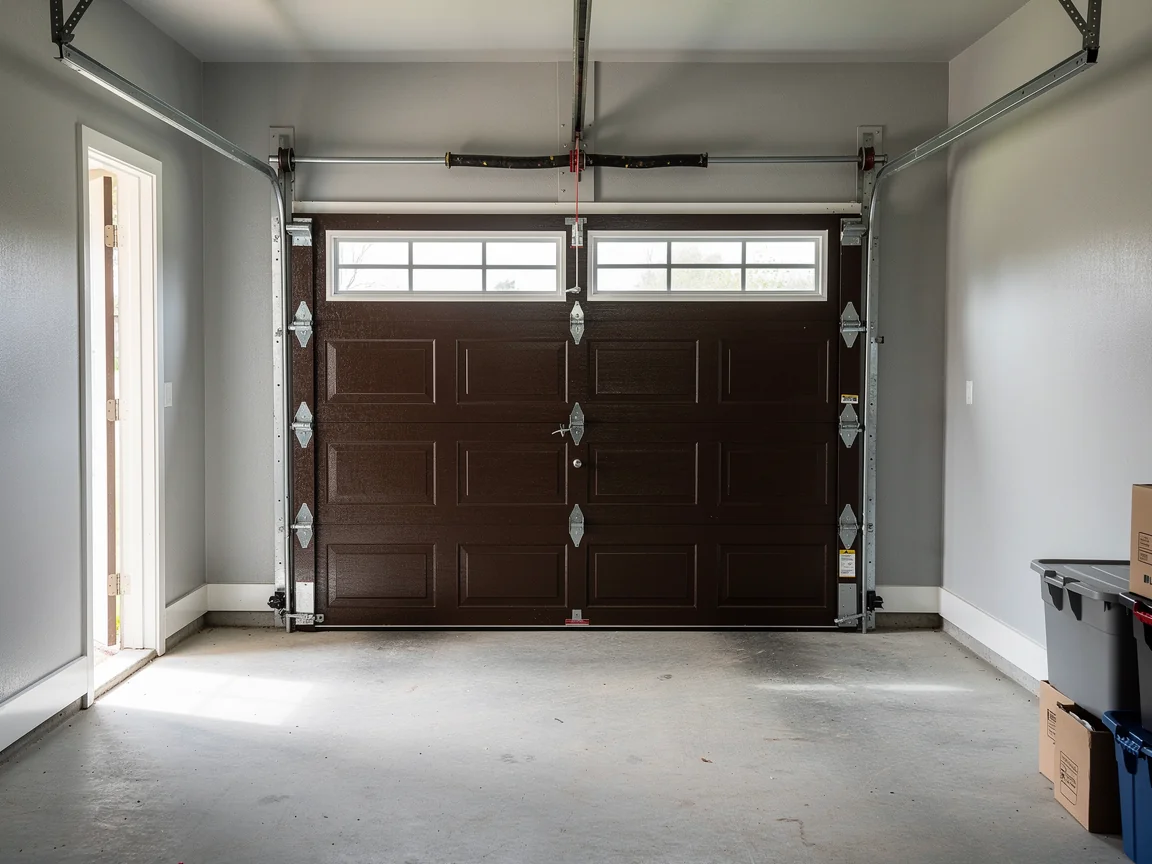
What we can tell you: on houses from Rome's 1954-era stock, the cost driver is almost never the panel itself. It's matching the hardware around it. If your hinges, rollers, and end stiles are original, a tech may need to adapt new parts to old spacing, which adds labor time a newer door wouldn't need.
Older installs compound costs
Doors in the service area's broader 1938-1989 range follow the same pattern - the older the install, the more likely a "simple panel swap" turns into a partial hardware rebuild once the tech is on site.
Written estimate scope
Ask for a written estimate before any work starts, and ask specifically whether it covers hardware adaptation or panel only. That distinction matters more on a house this age than it would on a door installed in the last fifteen years.
How It Shows Up
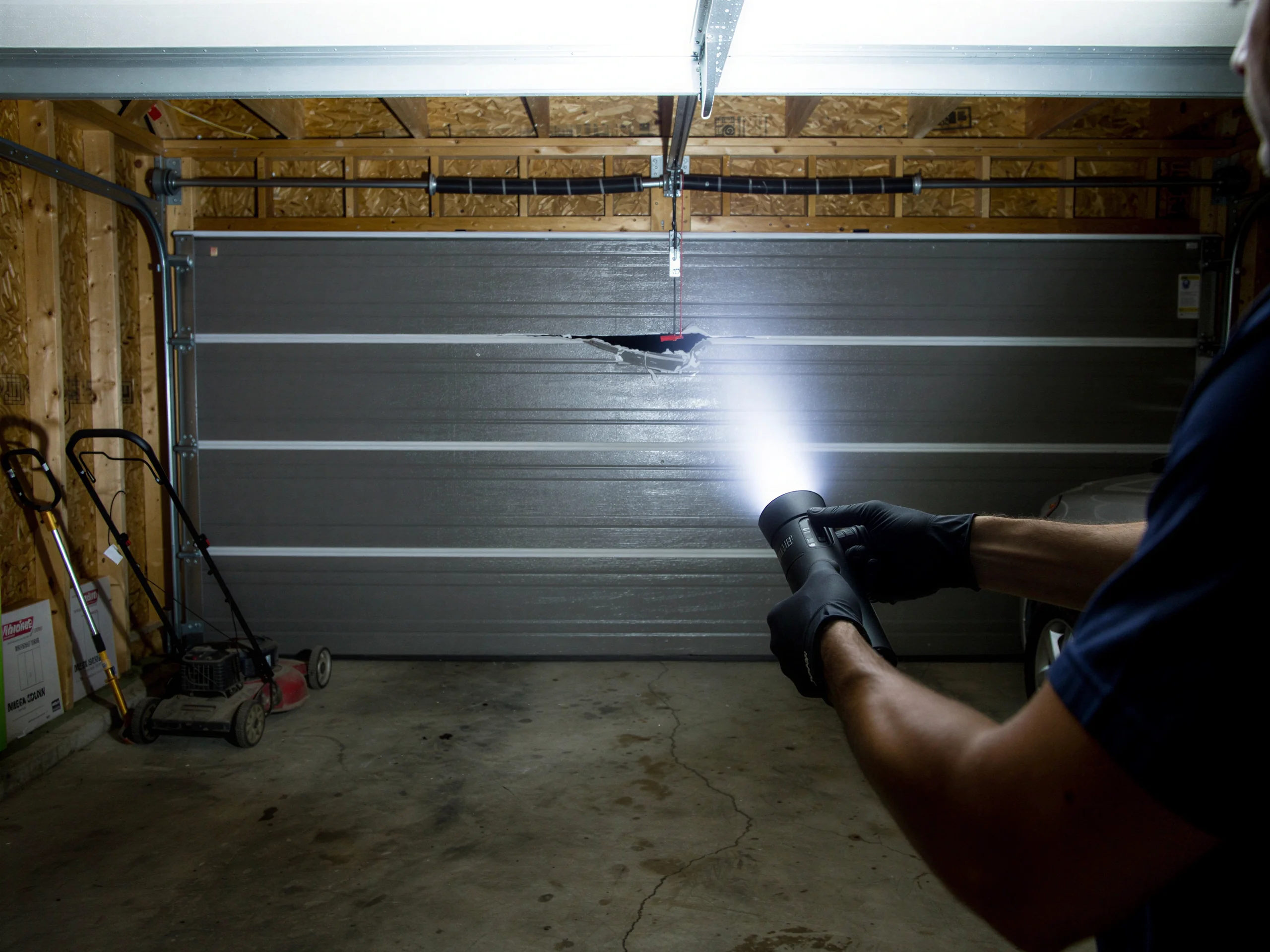
On a door that's carried a Rome winter for decades, panel damage tends to show up in a few predictable spots. Bottom panels take the brunt of plow-thrown snow and road salt, so you'll see rust bubbling up through the paint along the bottom edge well before anything else looks wrong. On steel sections from the service area's older stock, that rust often starts from the inside - moisture gets trapped between the steel skin and the insulation backing and works outward, so by the time it's visible on the surface, the metal underneath is already thin. Wood panels, less common but still around on some of Rome's 1950s-era doors, split along the grain near the bottom corners where meltwater sits against the frame. Dents from a car bumper or a stray snow shovel are the easy case - those are cosmetic until the panel bows enough to bind against the track. The harder case is a panel that looks fine from the driveway but flexes when the door runs, which usually means the internal reinforcement has rusted through and the skin is doing structural work it was never built to do. Severe cold makes all of this move faster than it would in a milder climate, because the freeze-thaw cycle never really stops working on exposed seams.
Booking a Visit
Utica Garage Door Pros covers Rome from our base in Utica, about 16 miles out. We don't keep a branch or a truck staged in Rome, so when you call, you're booking a visit that starts with a drive - we're not going to pretend otherwise or promise a response window we can't back up from that distance.
Adapters for original hardware
What we can do is look at photos of the damaged panel ahead of time, which helps the tech show up with the right hardware adapters if your door is one of the older, original installs common in this part of the service area.
Bent track versus panel
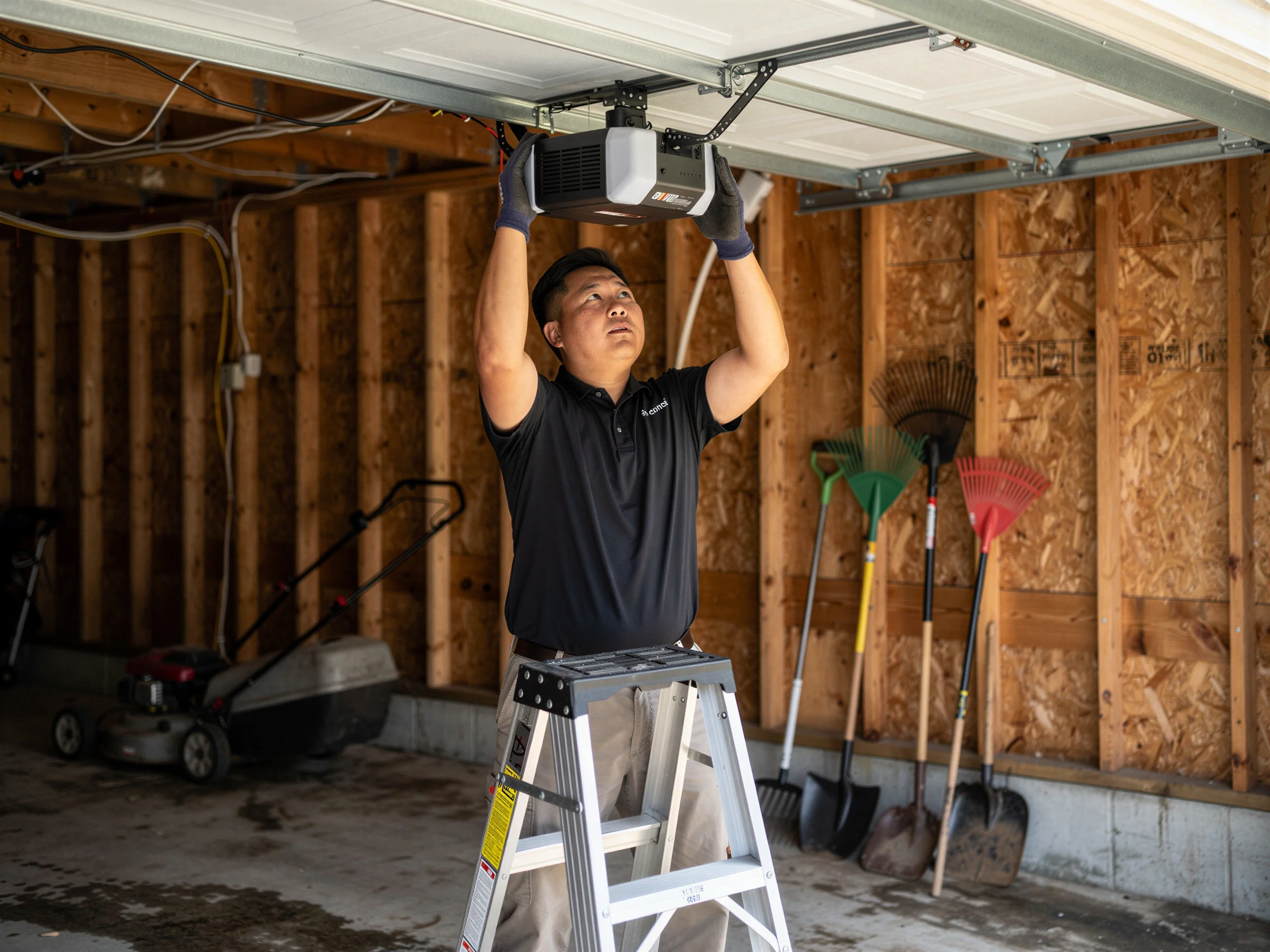
If you're not sure whether what you're looking at is panel damage or something upstream - a bent track, a failing opener - it's worth a quick call before you book, since those get handled differently.
Panel or upstream issue
You can see what else falls inside our coverage on the coverage page for Rome, and if you're comparing this job to a full door replacement rather than a single panel swap, the Utica panel replacement page covers the broader service-area version of this same job.
What the Repair Takes
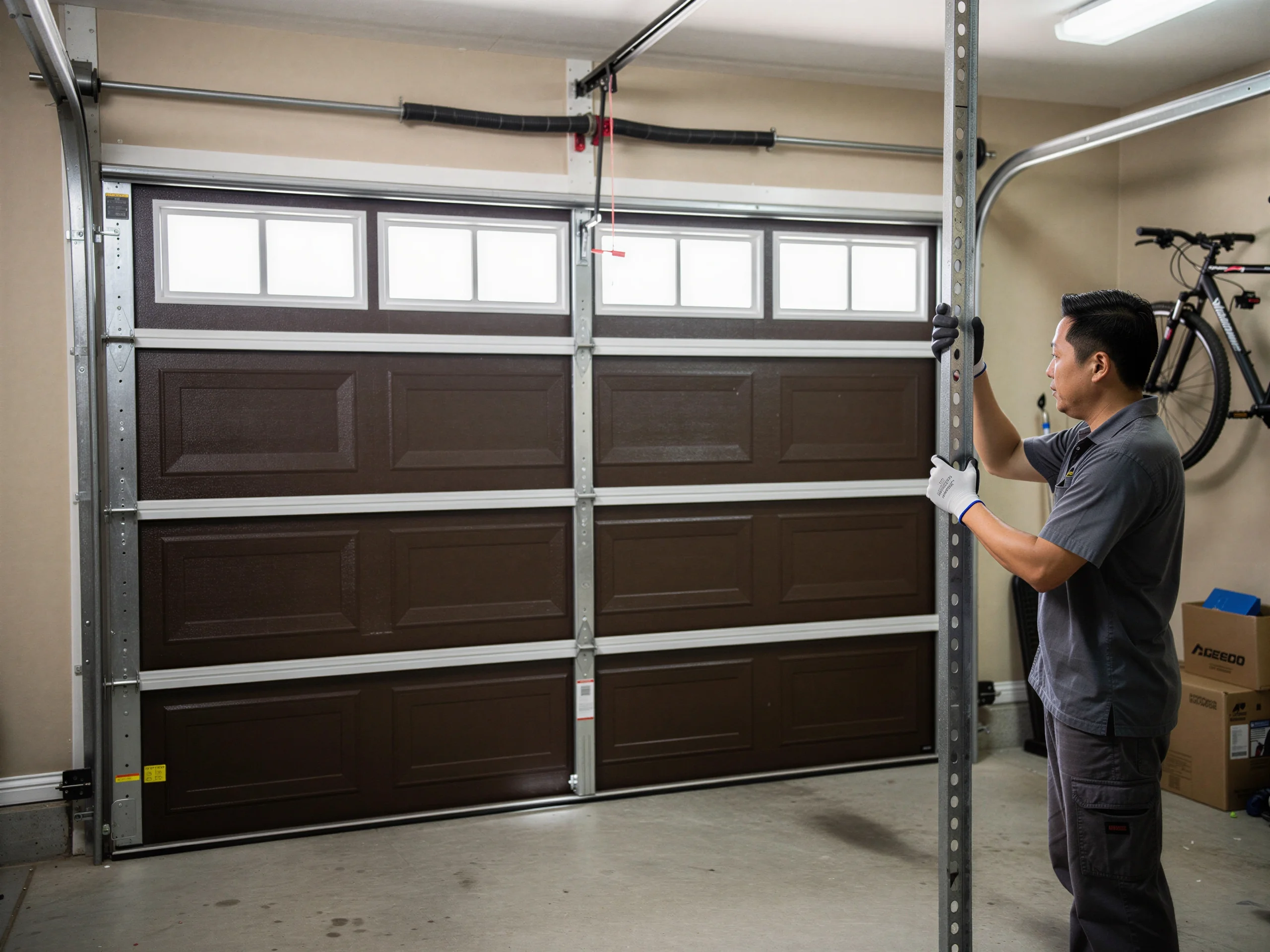
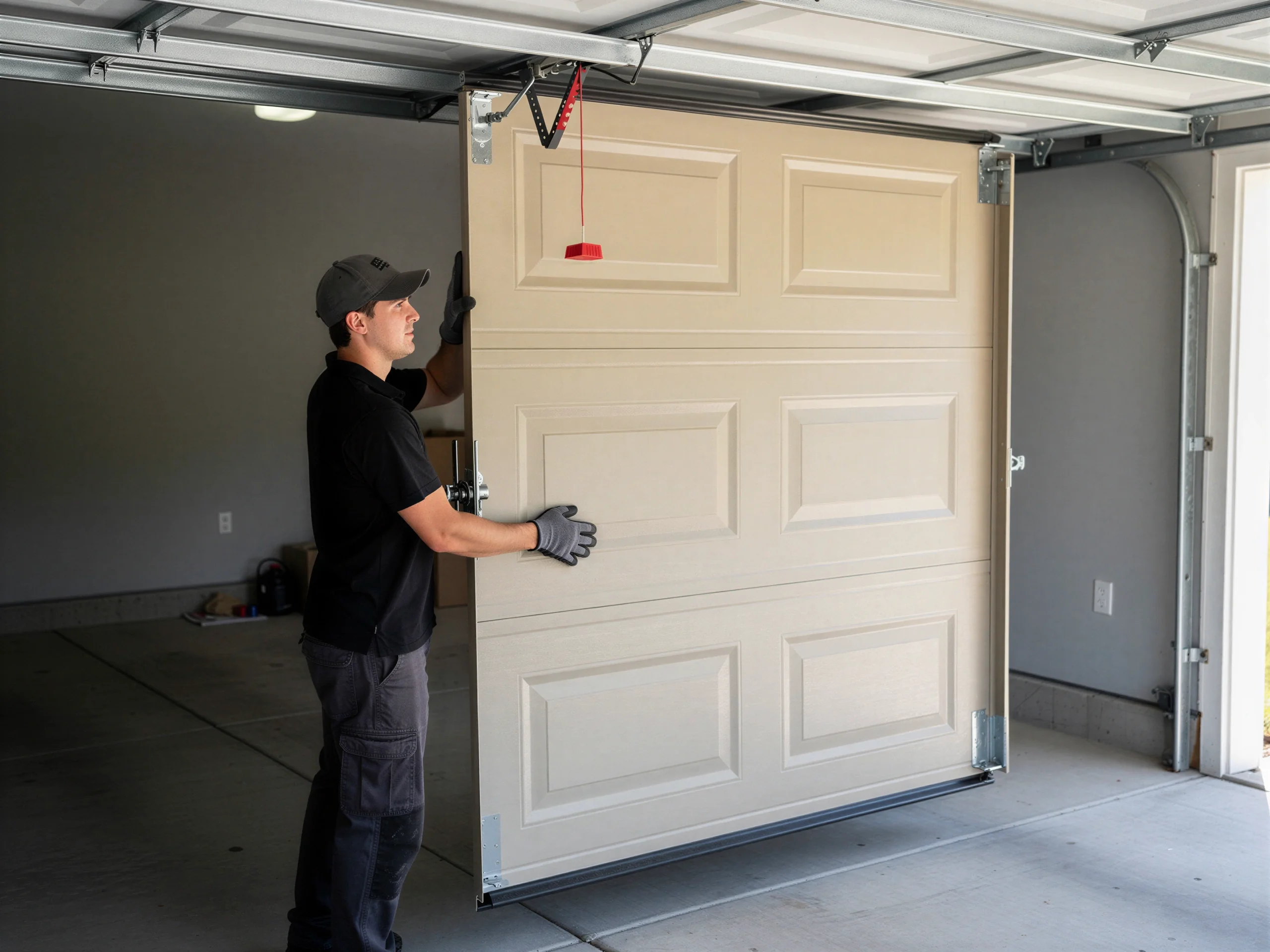
A straightforward panel replacement on a newer door is usually an hour or two: unbolt the damaged section, swap in the new one, re-hang and balance the door.
Hardware drilling time
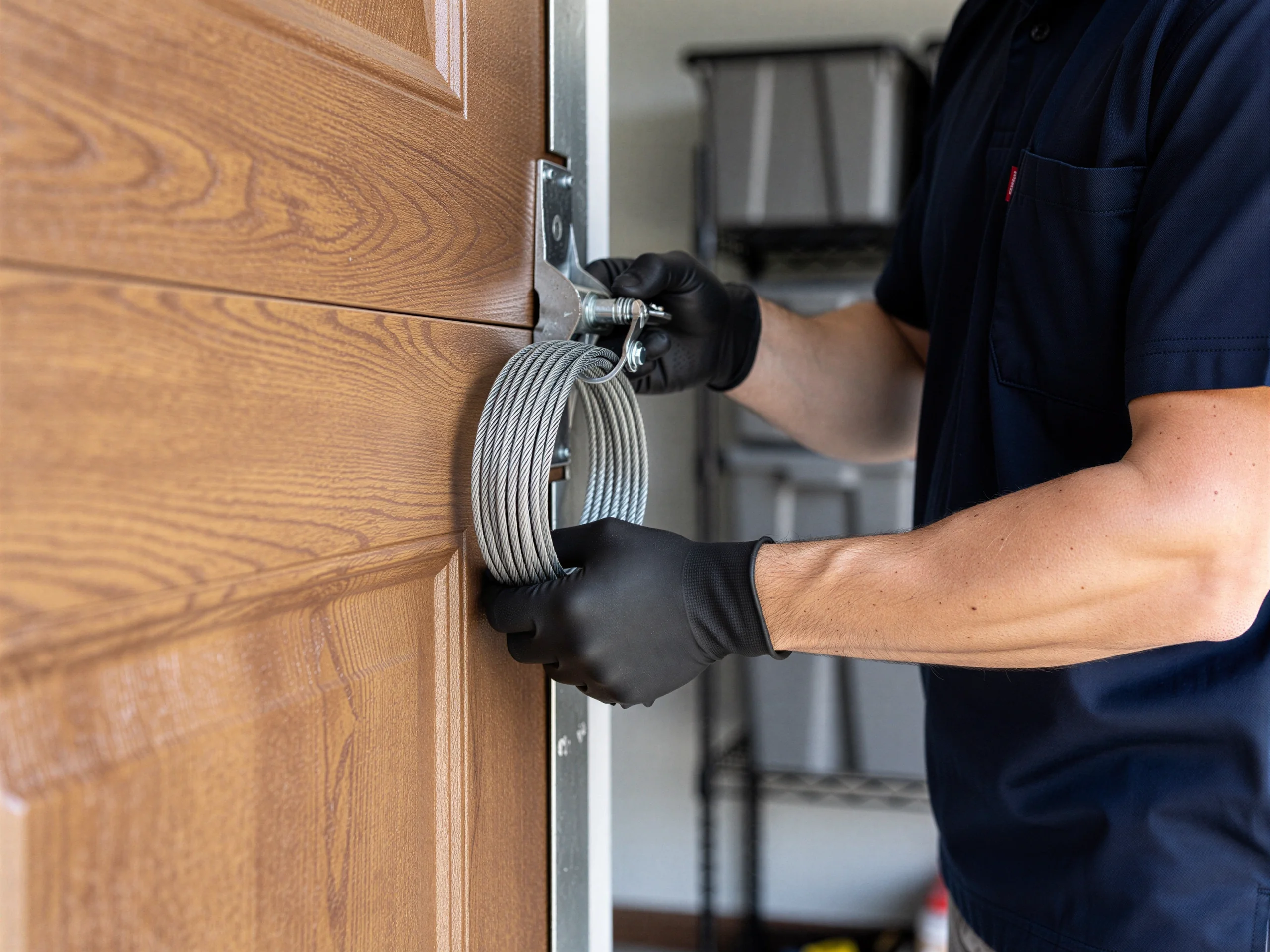
On a house from Rome's 1954-era stock, plan on more time if the hardware needs adapting - hinges and rollers from that period weren't standardized the way current hardware is, so a tech may need to drill new mounting holes or swap a hinge to get a modern panel to sit right.
Discontinued panel styles
Here's the honest limitation: if your original panel style is long out of production, we may not be able to match it exactly, and the real choice becomes a visually close replacement panel versus replacing the whole door. We'll tell you straight if that's where your job is headed rather than forcing a mismatched panel onto an old frame just to call it done.
Panel reinforcement check
For insulated steel doors, we also check the panel's internal reinforcement before closing anything up - a rusted panel often means the door's been running unbalanced for a while, and that's worth catching before it becomes a spring or opener problem instead of just a panel one.
Talk to a local pro
Garage door service in Utica?
Same-day service with honest, upfront quotes.