What Causes It Around Here
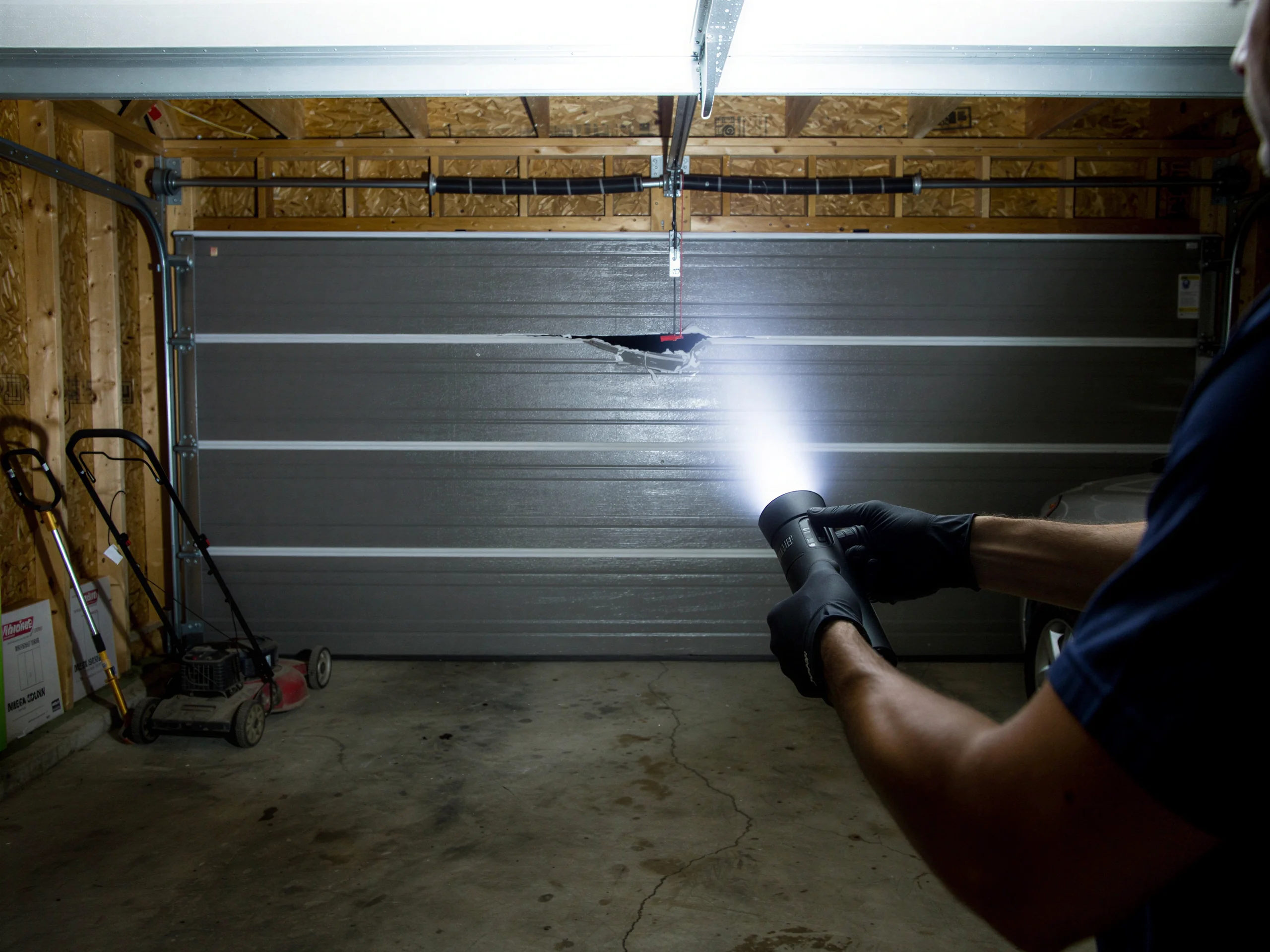
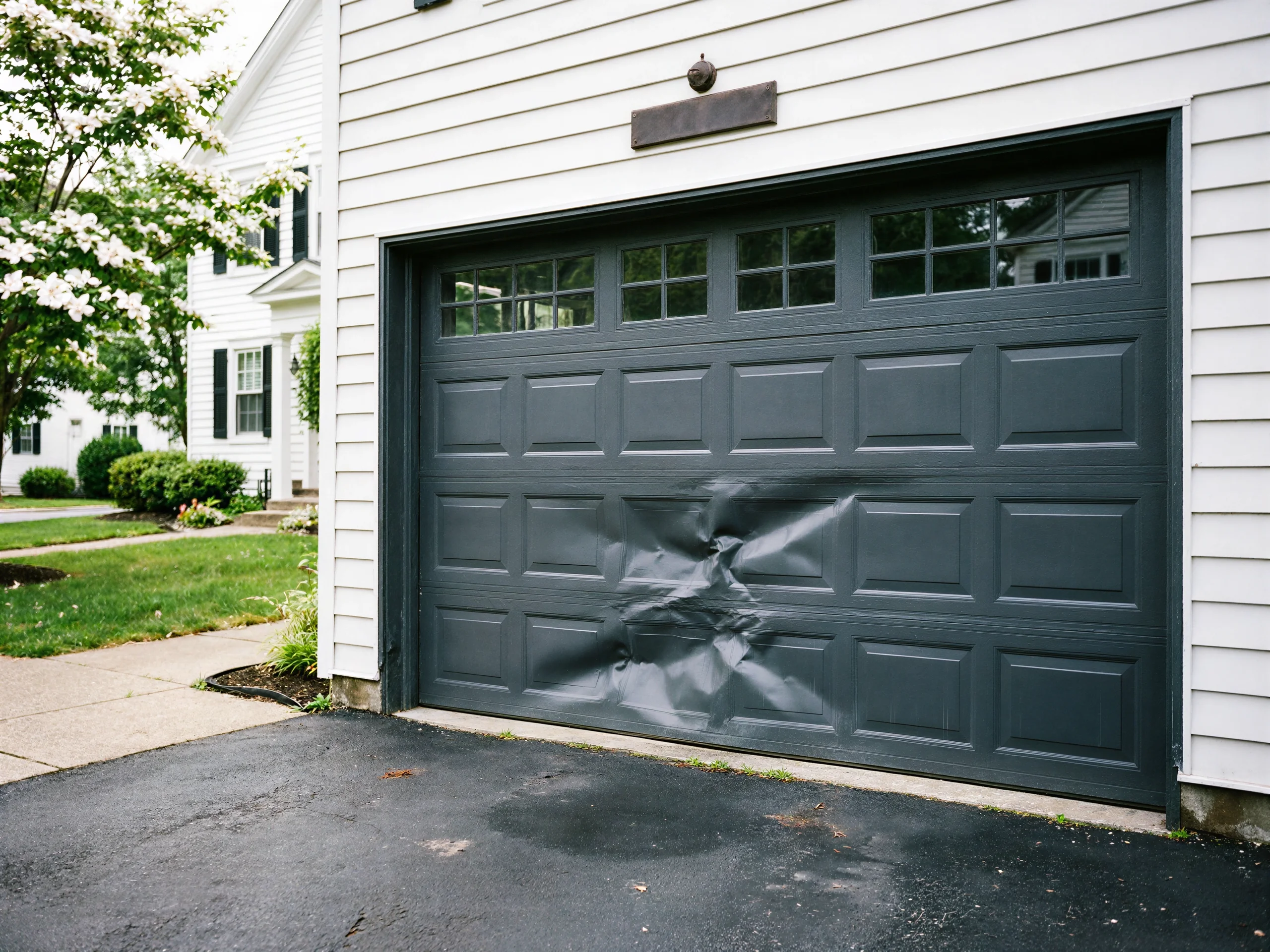
The panel calls we get from Ilion almost always start the same way: a bottom section that's rusted through at the corners, or a dent that's cracked the steel skin enough to let moisture in behind it. That's not bad luck, it's the housing stock. Ilion's median year built sits around 1940, older than the broader Utica-area median of 1948 across housing built mostly between 1938 and 1989. A door installed or replaced on a 1940s house is more likely to still be running on a track width and panel height that doesn't match what shows up on a supply truck today.
Cold winters make it worse. Steel panels from that era trap condensation along the bottom rail, and years of plowed snow piled against a garage door wear through paint and galvanizing faster than people expect. Once rust opens a seam, the insulation behind it (if there is any) holds water and the panel never dries out. By the time someone calls, it's not one dent, it's a section that's structurally soft.
What It Costs
We don't have a flat number to quote here, and anyone who gives you one site-unseen without seeing the door is guessing.
Panel availability drives cost
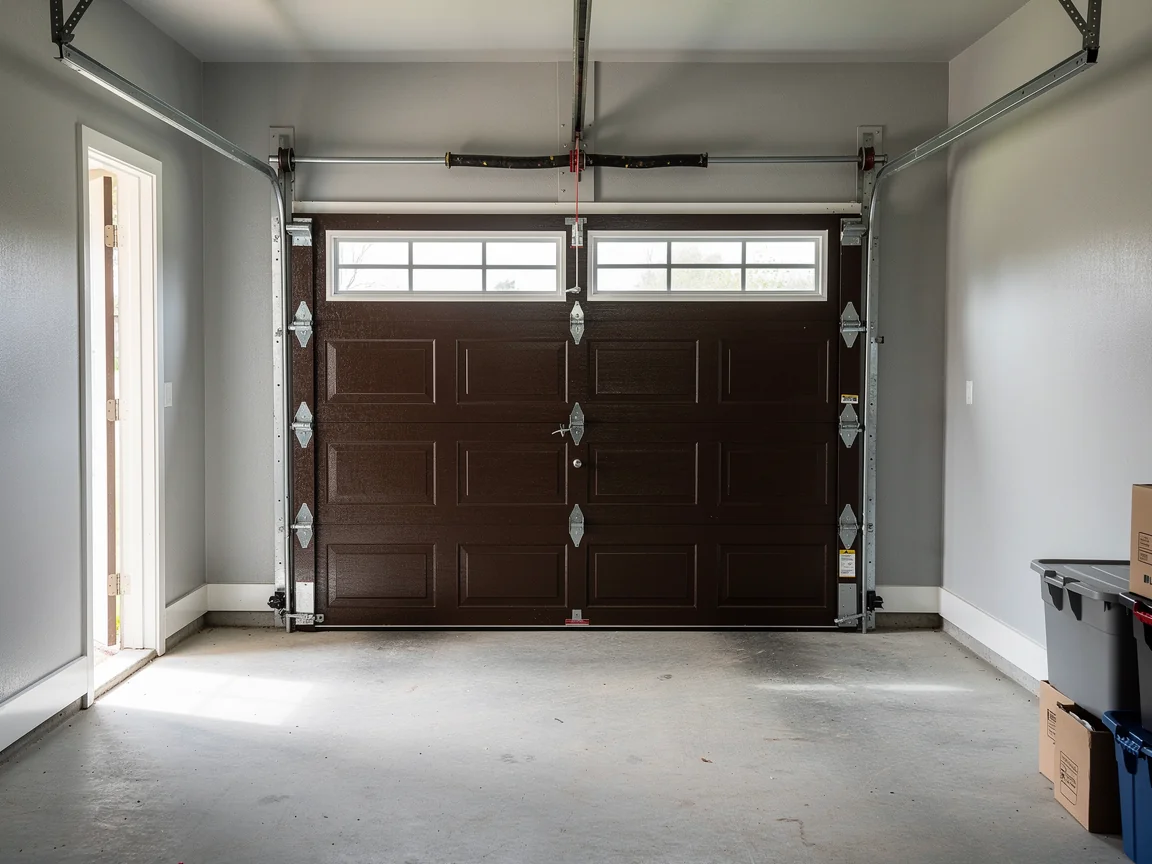
What drives the cost on an Ilion job is almost always whether the existing panel size is still made. If your door is a common width on standard track, swapping one damaged section is straightforward. If it's an older narrow-panel door from the 1940s-50s housing wave common in this area, we're often sourcing a panel that isn't stocked locally, or matching color and ribbing by eye since the original run is long discontinued.
Full door over single panel
The honest limitation: sometimes the panel you want matched just isn't available anymore, and the right call is replacing the full door rather than chasing one section. We'll tell you straight if that's where your door is instead of selling a patch that won't hold.
How Long You Are Without the Door
We run out of Utica, about 11 miles from Ilion, so there's travel time built into any visit - we won't promise a response window we can't back from that distance. Once we're on site, a single panel swap on a door with current-size hardware can often be finished the same visit if we're carrying the right section on the truck.
Where it stretches out is the older, narrower panel sizes still common on Ilion's pre-1960 housing. Matching those sometimes means ordering from a supplier rather than pulling stock, and that lead time is real - we won't pretend otherwise. In that stretch, a working door stays closed and locked rather than left half-functional, which is the safer wait than trying to run a door on a cracked section.
Doing It Yourself
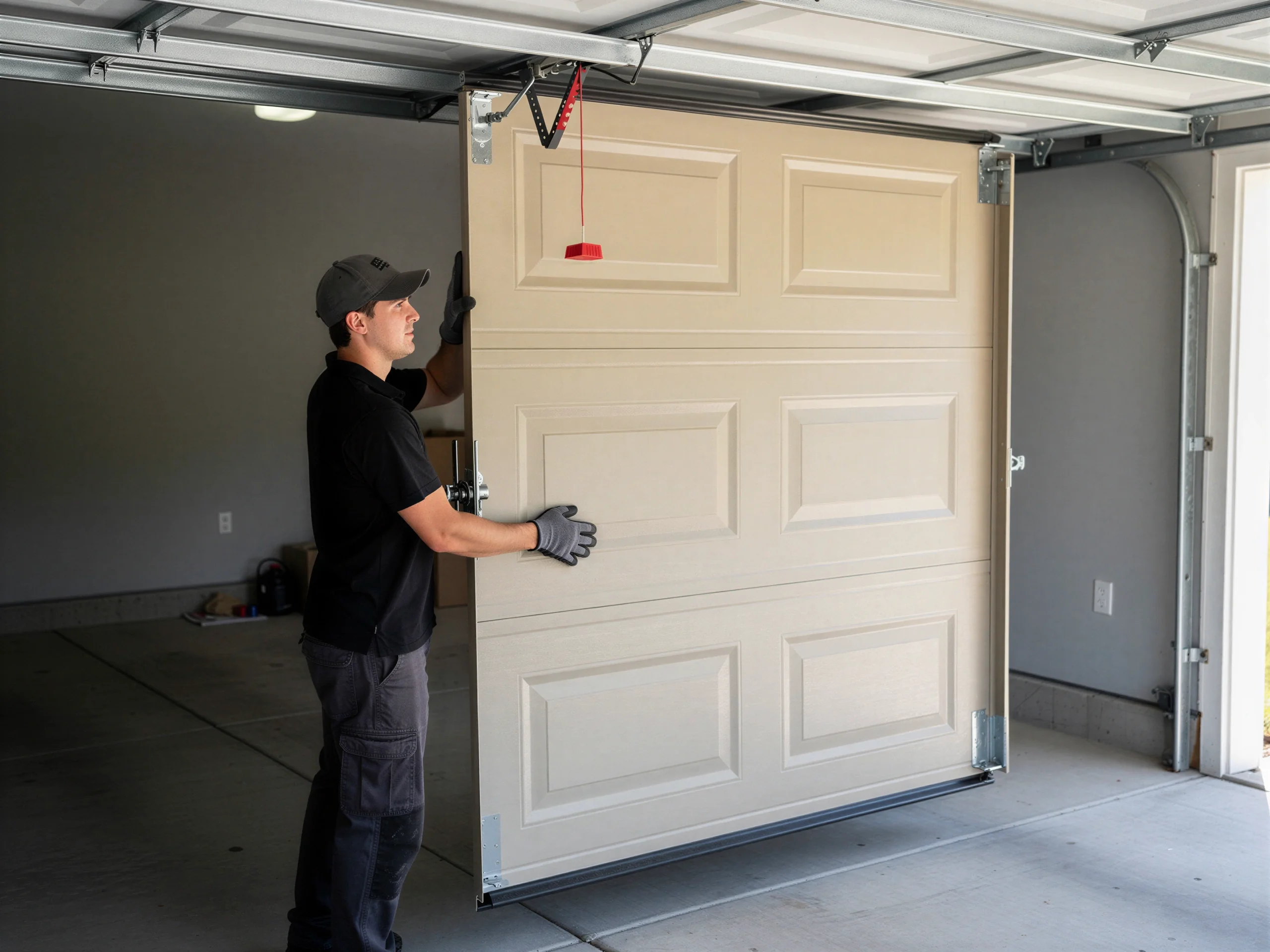
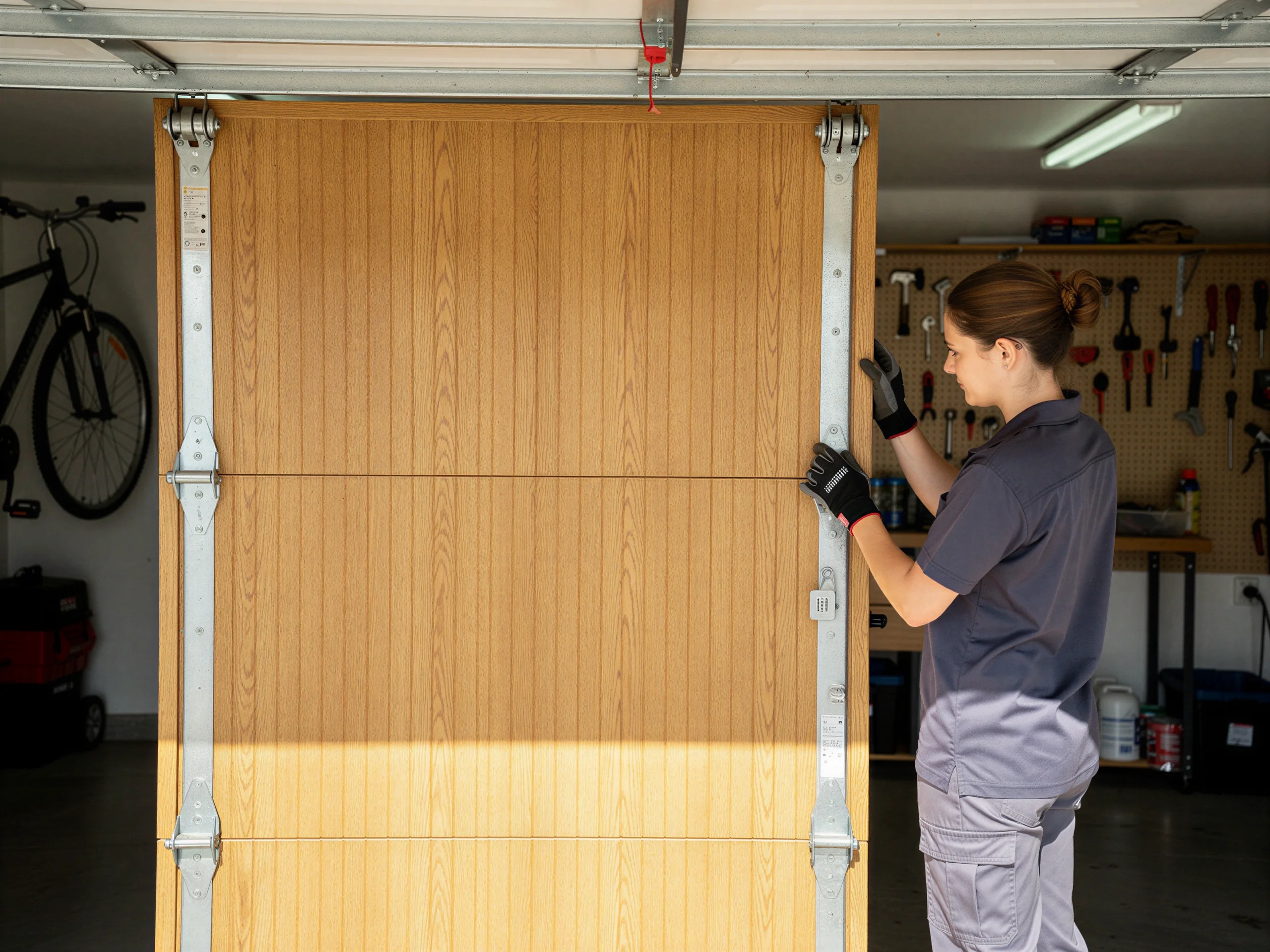
Swapping a single panel sounds like a weekend job until you're the one holding a 90-pound section while trying to line up hinges on a torsion-spring door built before your house had a garage code inspection.
Spring load during panel work
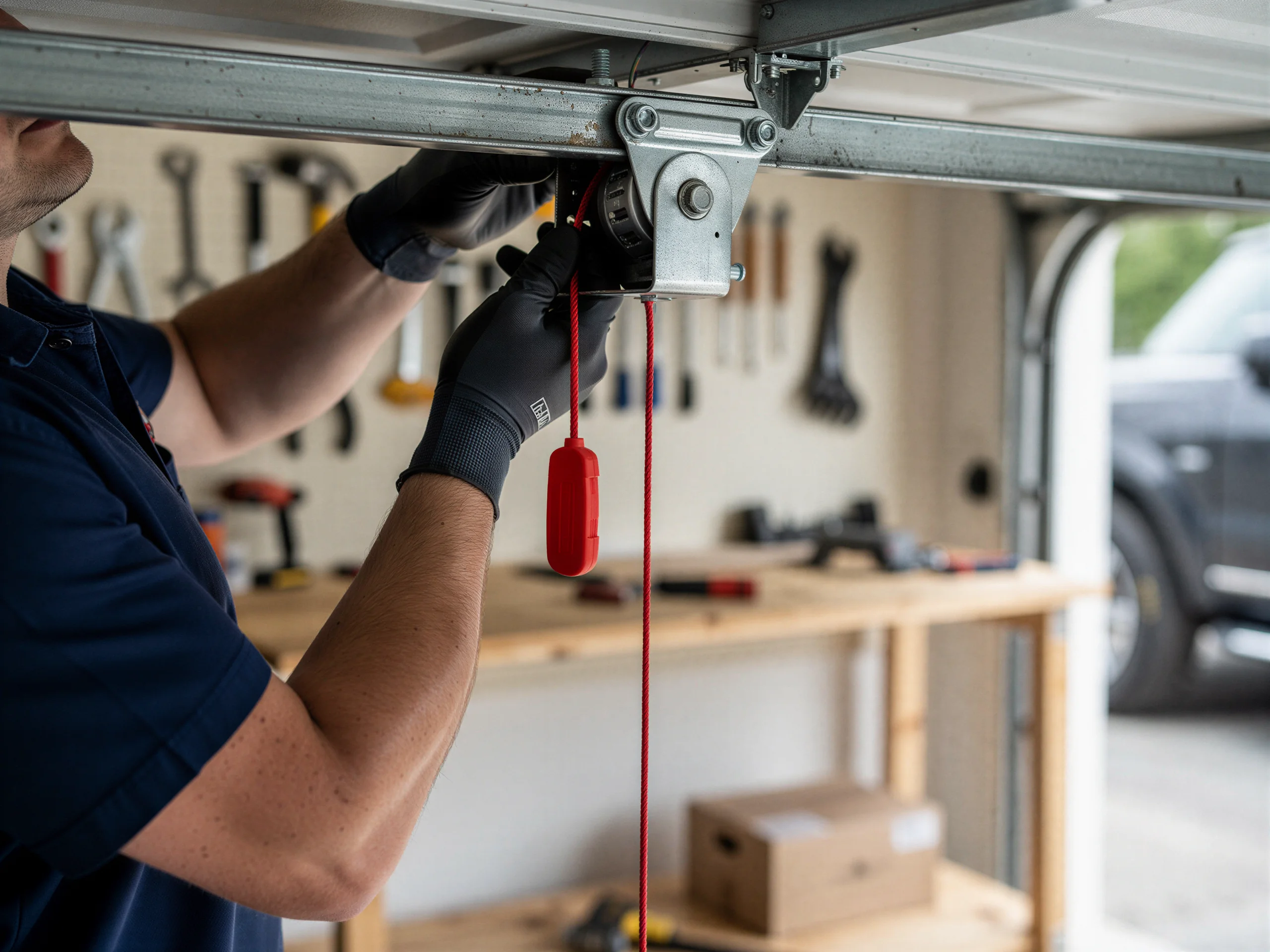
The spring is under load the whole time you're working near it, and on these older Ilion doors the hardware wasn't built to the same tolerances as current sectional systems, so a panel that looks like a match can be off by a fraction that throws the whole door out of square.
Cosmetic-only panel DIY
If you're comfortable with hand tools and you've got a door on common modern track, a cosmetic panel with no structural damage is a reasonable DIY attempt. If the section is rusted through, if the door won't roll smooth already, or if you're not sure the replacement panel is the right gauge for a door this age, that's where we'd tell you to call instead of improvise.
What the Repair Takes
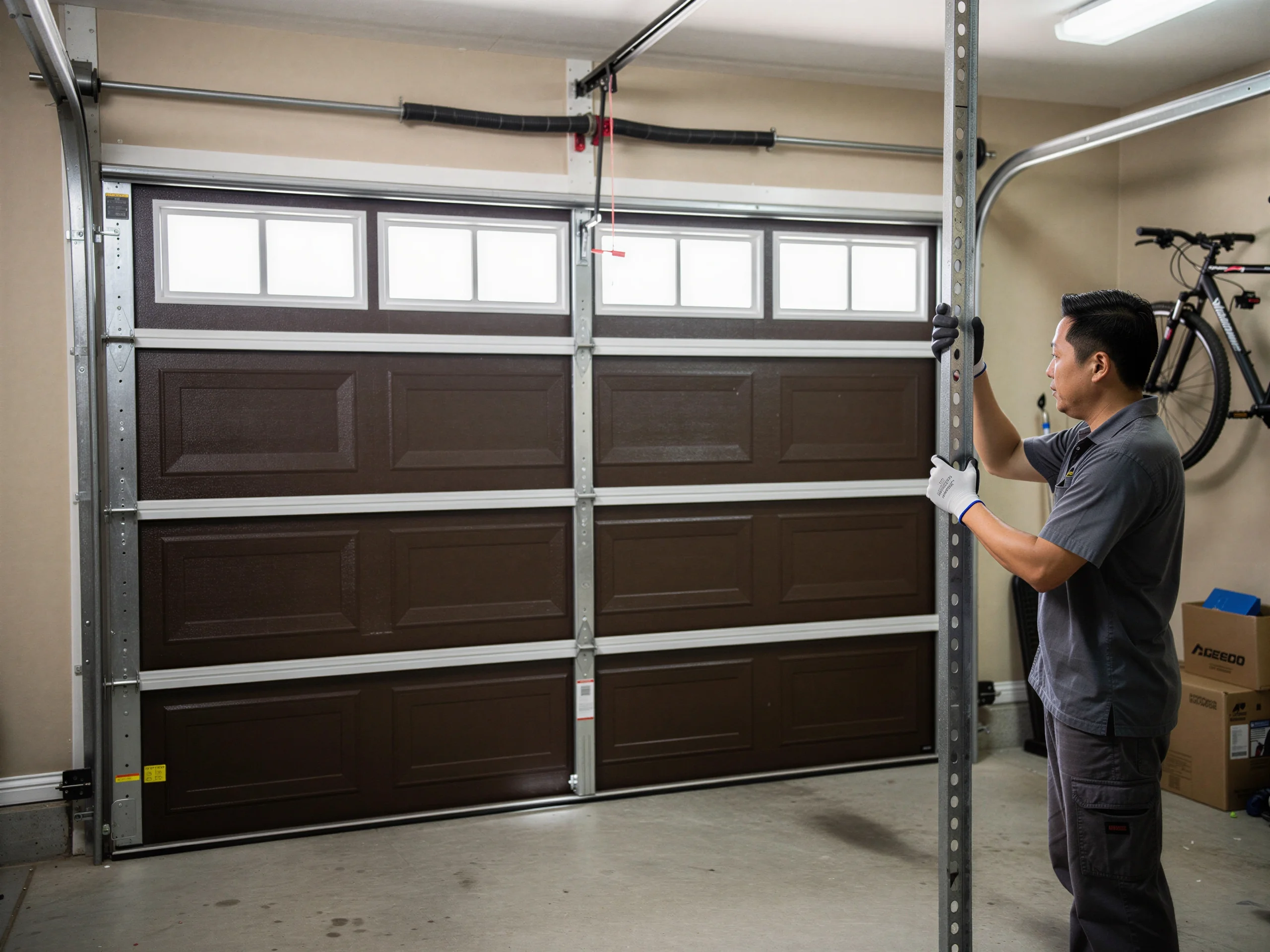
First step is measuring the actual panel, not assuming the size off a model number, because doors installed on Ilion's older housing stock don't always match what's listed for the current equivalent model. We check panel height, track width, and whether the hinge spacing lines up with anything currently manufactured before ordering anything.
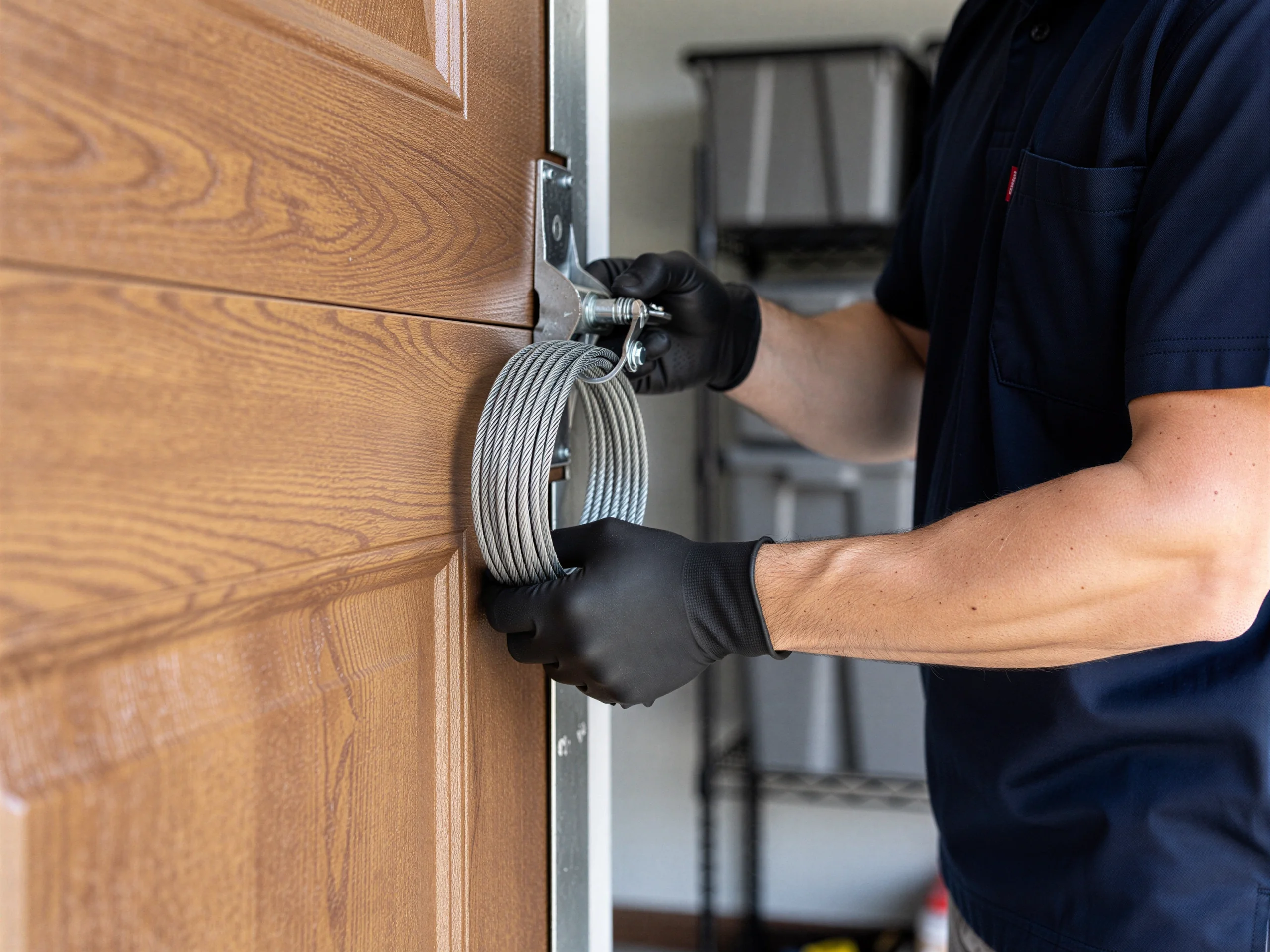
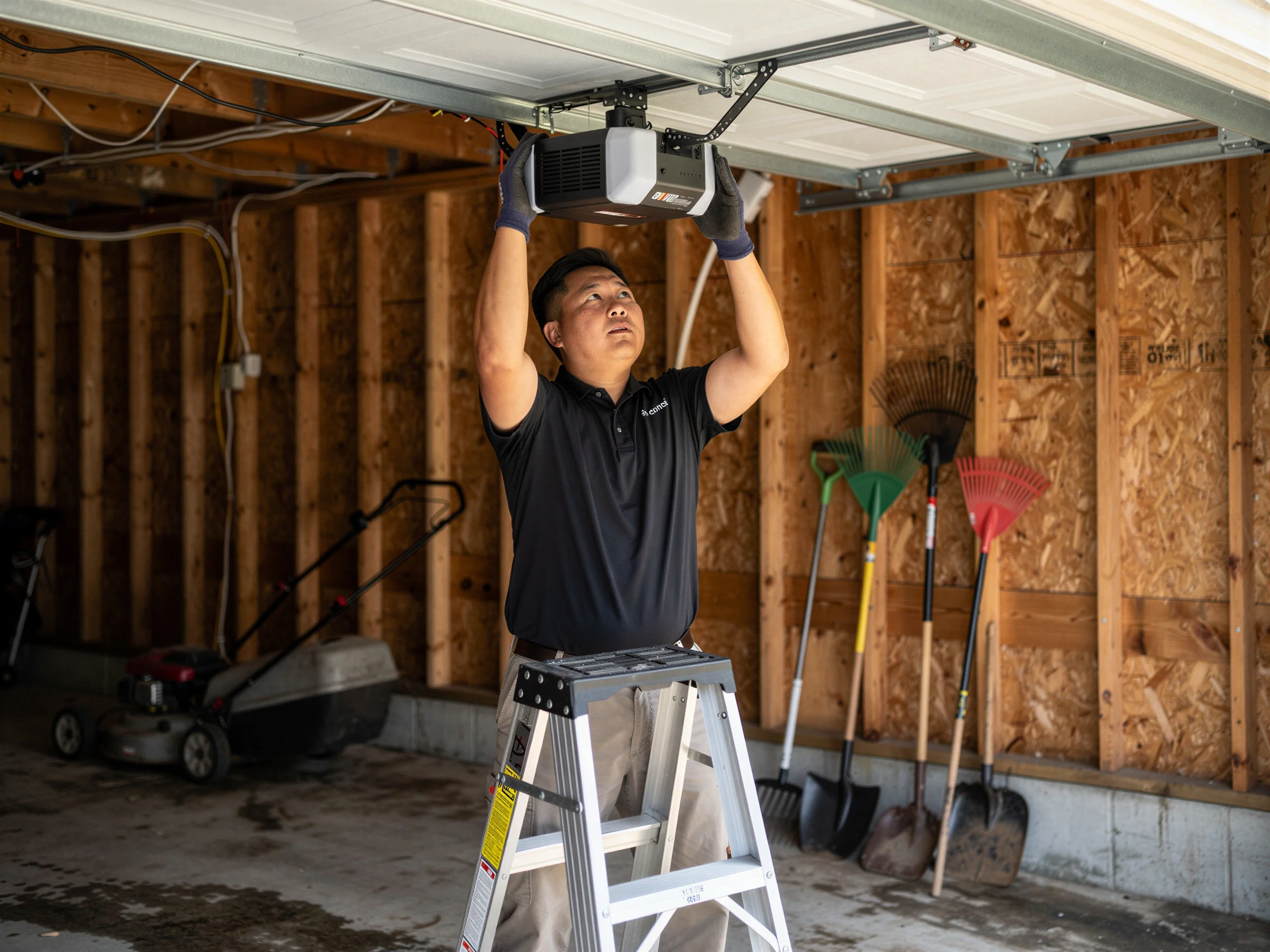
From there it's disconnecting the door safely from spring tension, removing the damaged section's hardware, fitting the new or matched panel, and re-hanging it so the door rolls true on the existing track rather than fighting it. On a straightforward swap that's a few hours. On a door where we're adapting a modern panel to older track, it takes longer because we're making small adjustments by hand rather than bolting on an exact factory match.
Talk to a local pro
Garage door service in Utica?
Same-day service with honest, upfront quotes.