What Causes It Around Here
Most houses in Ilion went up around 1940, a full decade older than the median across the broader Utica service area, where the housing stock runs 1938 to 1989 with a median year of 1948. That matters for openers because a lot of these garages were framed before anyone built in provision for a center rail, a wall console, or photo-eye sensors at the base of the track. Openers installed over the years in these bays often got bolted to whatever joist was closest, with brackets added as afterthoughts.
The region also sits in a severe cold climate band. Grease in an old chain-drive unit stiffens hard in January, and a motor that's been straining against that resistance for a winter or two burns out its gears faster than the same unit would in a milder spot. We see that failure pattern in houses from this era more than anywhere else on the route - the door is heavy, the opener wasn't sized for it, and the cold finishes the job the age started.
None of this means every 1940s garage needs the same fix. Some have already been updated. But if your opener dates back further than your roof, the age of the house is usually part of the story.
What It Costs
We don't have a posted price for opener installation, and we're not going to invent one here. What we can tell you is how the decision tends to shake out in Ilion specifically.
Income and repair threshold
The median household income here is $61,880, noticeably below the $68,425 median across the wider Utica area we cover. That gap matters when an opener starts slipping gears or stripping its drive: the repair-or-replace line falls earlier for a household budgeting at that level, because a second repair call on a unit already past its working life rarely pencils out compared to one new install.
Heavy wood door weight
The honest limitation is this - we can't tell you your number over the phone without seeing the opener, the door weight, and what's already wired into the garage. A heavier wood door from the 1940s building stock needs a stronger unit than a light steel door from a newer build, and that changes the quote.
Repair versus replacement clarity
What we can do is look at the unit, tell you straight whether it's a repair or a replacement, and let you decide with real numbers in front of you, not a guess based on your house's age alone.
How Long You Are Without the Door
Ilion sits about 11 miles from Utica, where the truck comes from. There's no branch or depot in town, so that drive is baked into every call - we're not going to claim a response time we can't back up.
Same-day installs with parts
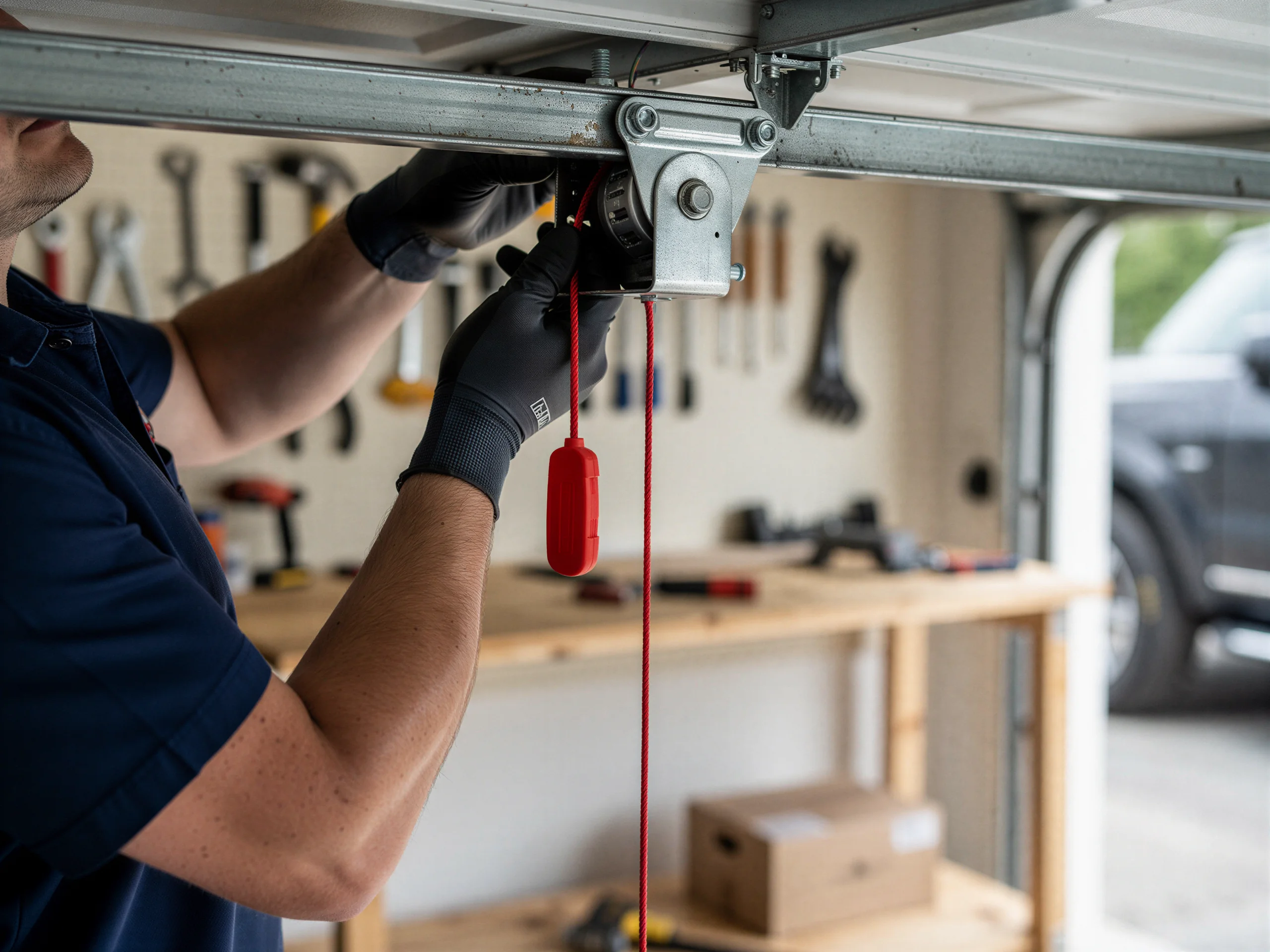
Once the opener is diagnosed, most installs run the same day the parts are on hand, but if your unit needs a part we don't carry on the truck, you're looking at another trip. In the meantime, a dead opener doesn't mean a dead door.
Manual release cord use
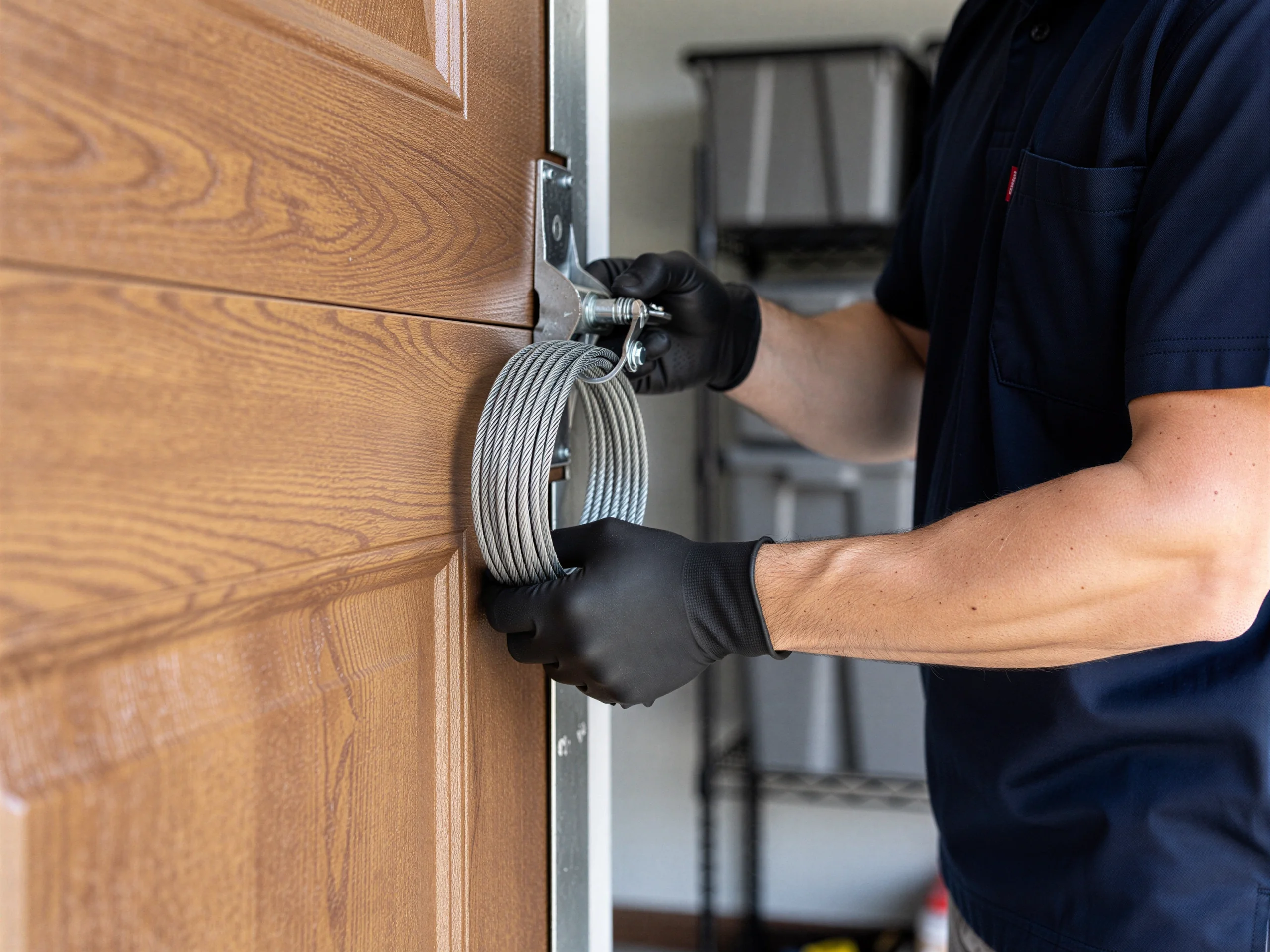
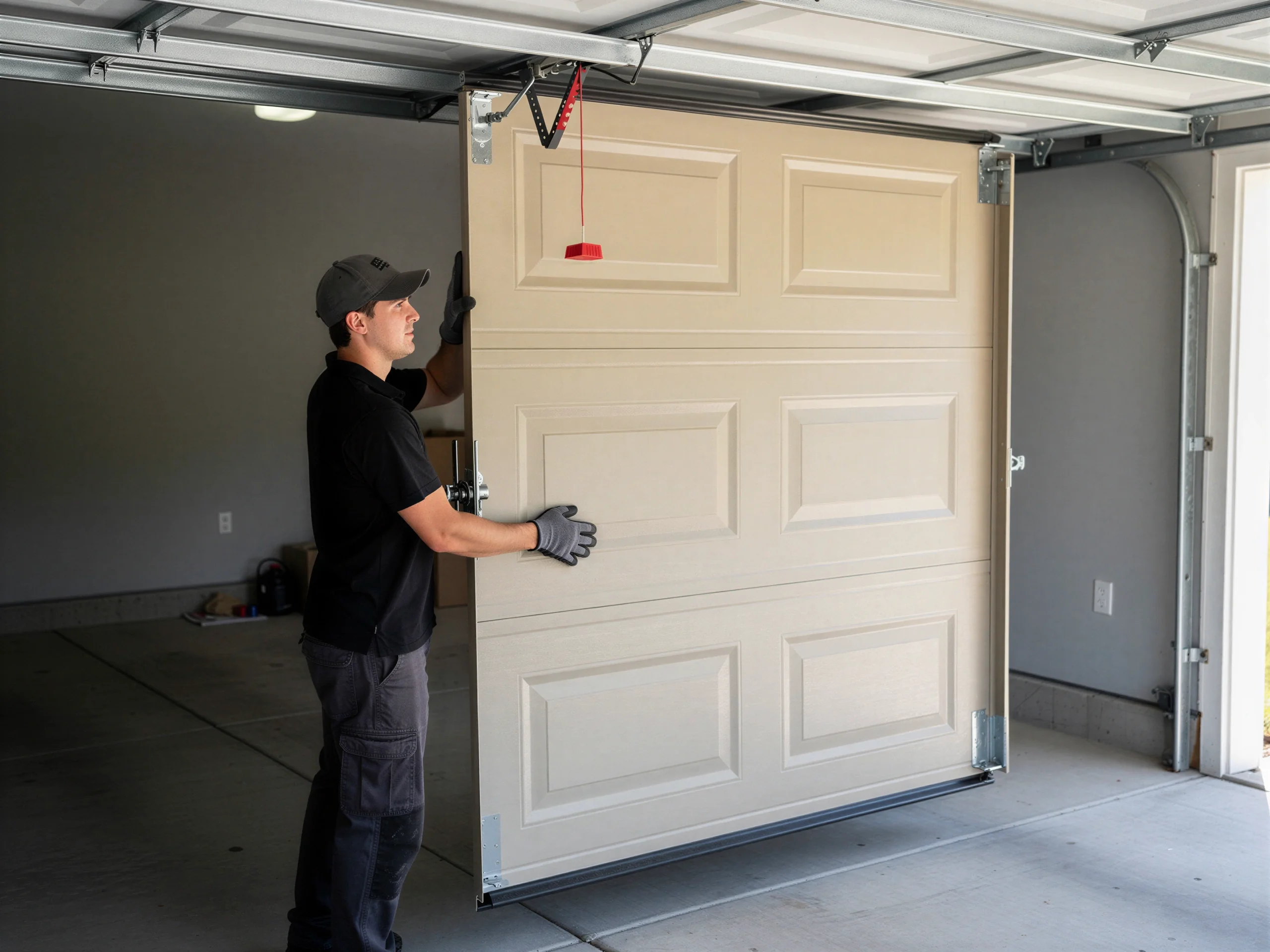
Almost every residential garage door opener has a manual release cord - pull it, and you can lift the door by hand like the pre-opener houses in this area did for decades. It's heavier than you'd like, especially on a wood door from the 1940s stock, but it keeps your car in and out while you wait.
Unattended door safety
Just make sure the door is fully down and the release is re-engaged before anyone leaves it unattended, since a door stuck half-open on manual operation is an easy target and a safety risk with kids or pets around.
Doing It Yourself
A belt-drive or chain-drive opener kit from a hardware store looks straightforward in the box, and for a newer garage with square framing and a door rated for that unit, a careful homeowner can manage it.
Piecemeal garage wiring
Ilion's older housing stock complicates that. Framing from 1940 wasn't built to a modern load spec, header heights vary, and a lot of these garages have had electrical added piecemeal over the decades rather than run to code in one pass.
Notched header mounting
Mounting an opener bracket into a header that's been notched or weakened by a prior repair is how installs go wrong. The other piece is the door itself. Wood doors from this era are heavier than the steel doors most opener kits are speced for out of the box.
Horsepower matched to door
Match the wrong horsepower to the wrong door weight and you get a motor that labors every cycle and burns out early, or a door that doesn't fully seat and leaves a gap a determined winter wind will find. If you're comfortable with wiring and have a square, modern door, go for it. If your garage is original to the house, it's worth having someone check the header and door weight before you commit to a kit.
What the Repair Takes
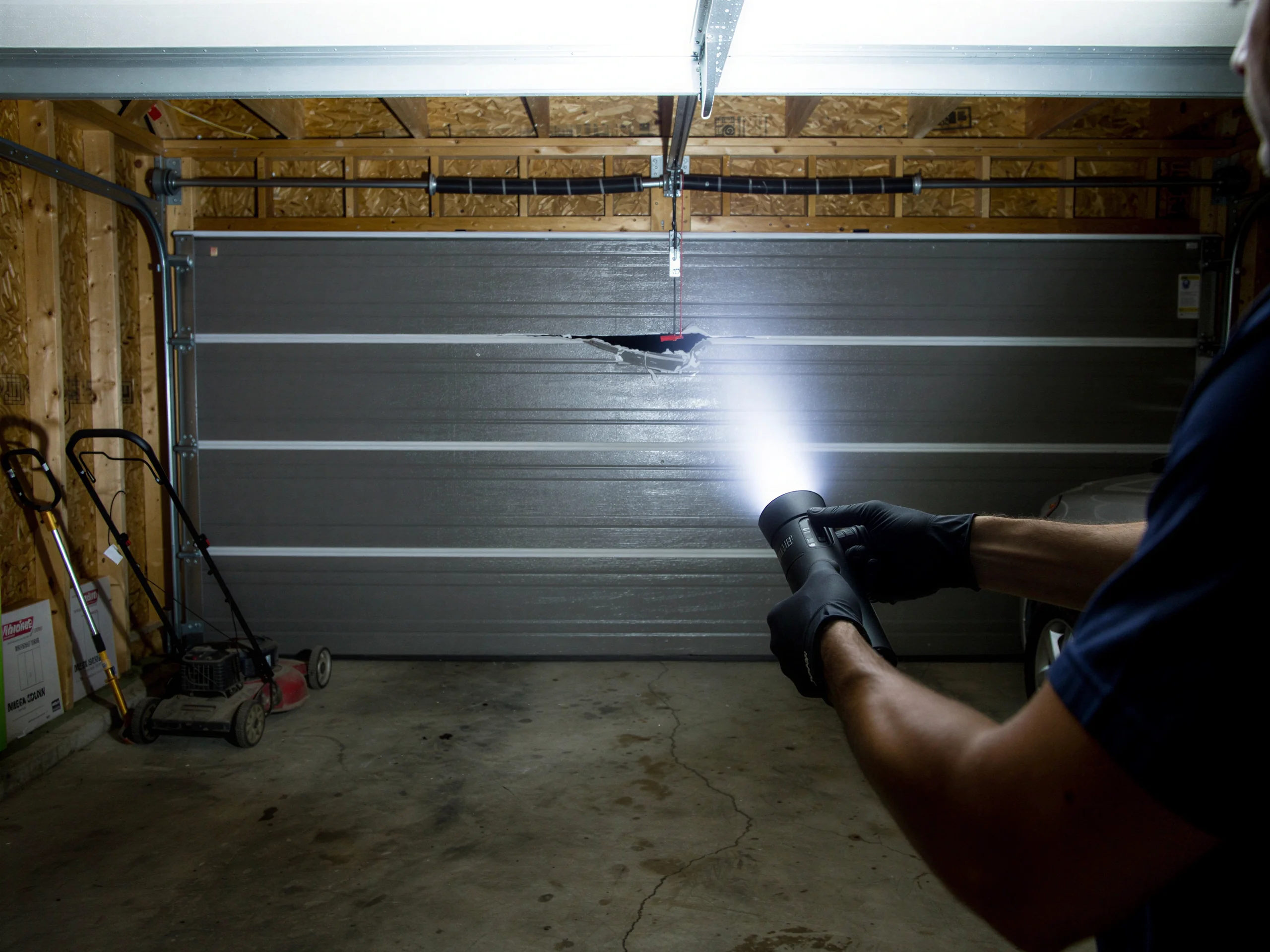
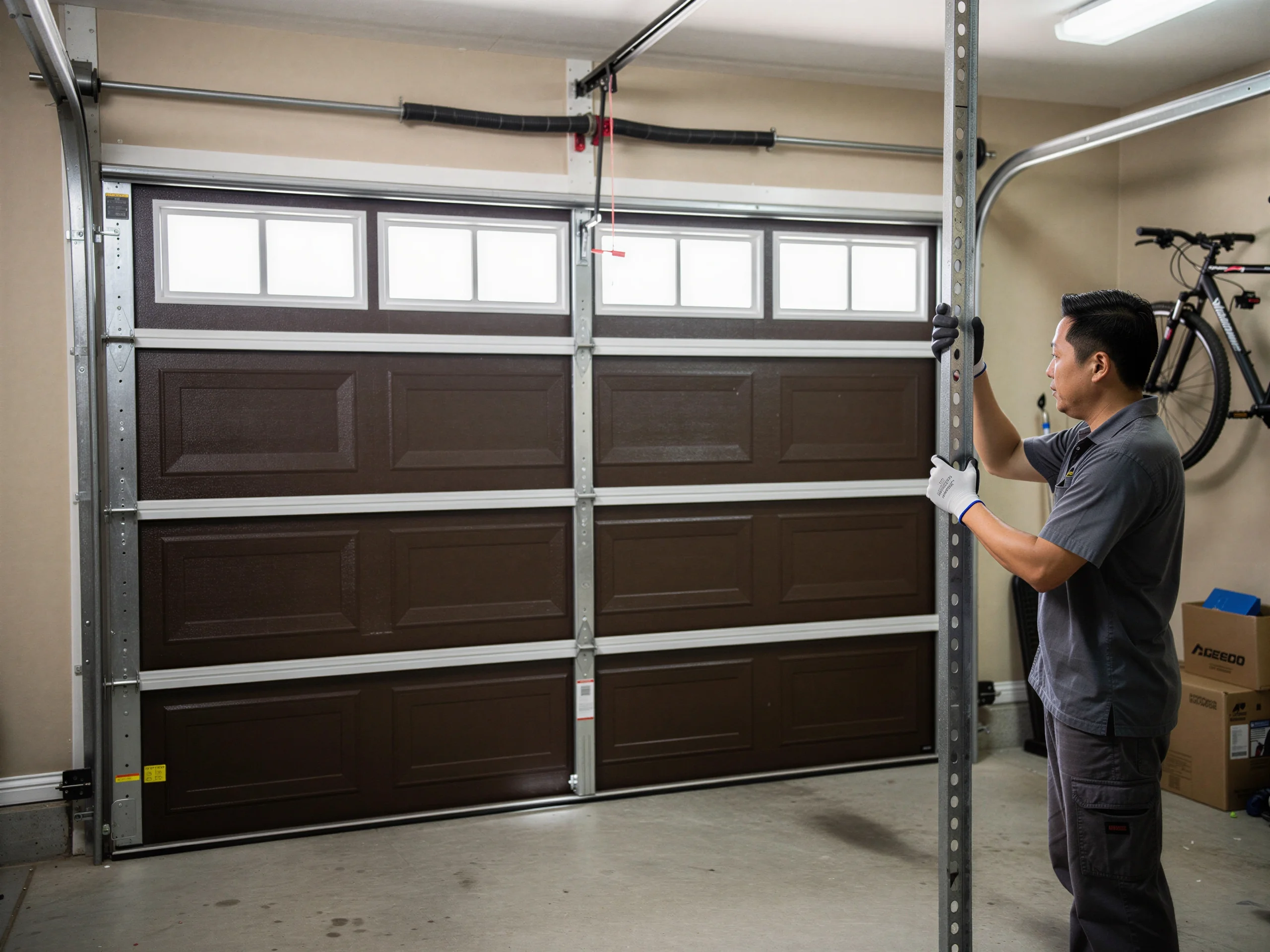
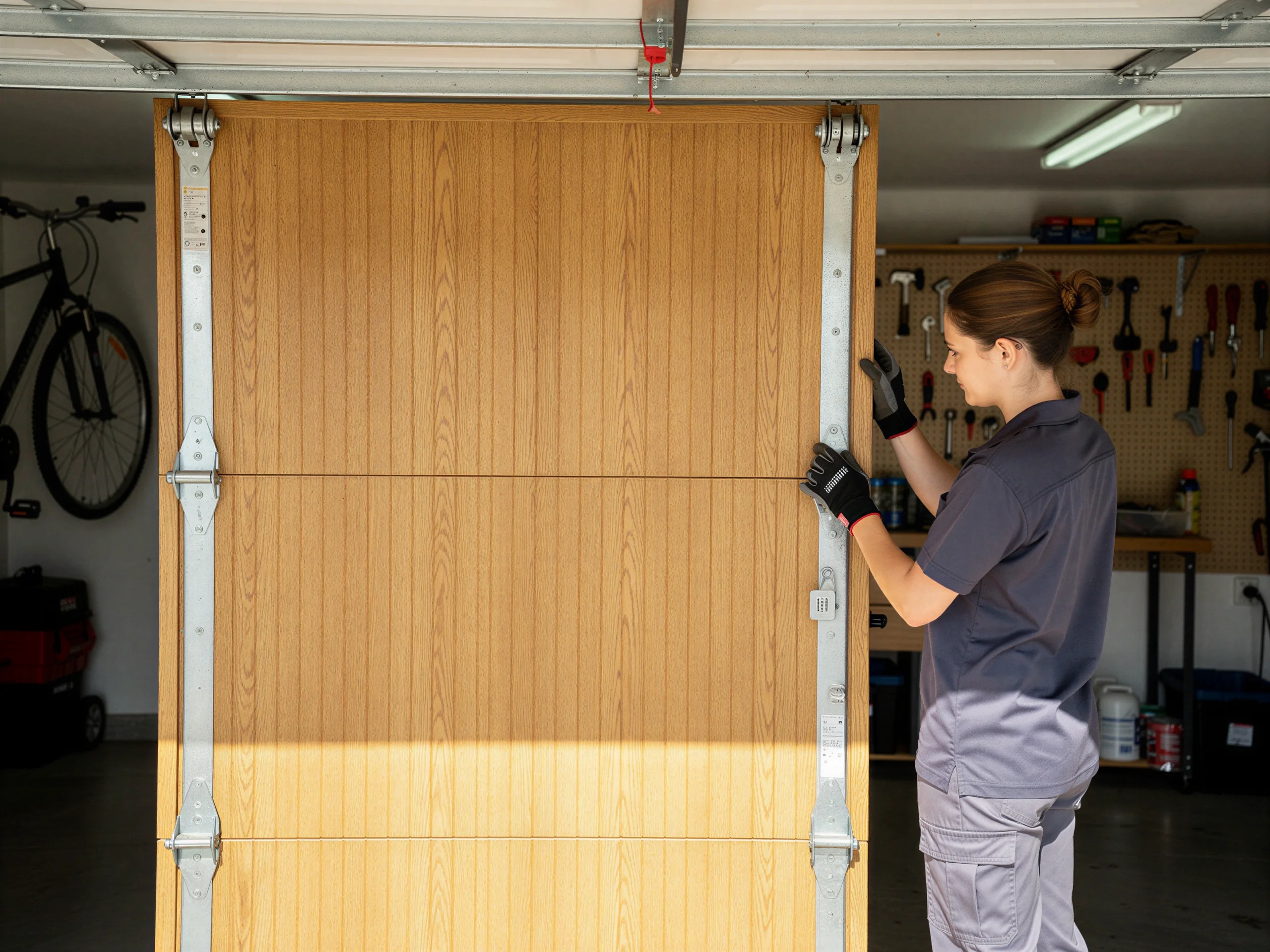
An install starts with the door, not the opener. We check the weight and balance of the existing door, because a door that's heavy or out of balance will shorten the life of any opener regardless of brand.
Spring tension before opener
On the older stock common in Ilion, that often means checking spring tension before the opener goes anywhere near the header. Once the door's right, we size the unit to the door weight and the garage's actual use - a single-car bay sees different cycles than a two-car household running a car in and out daily.
Joist sistering on mount
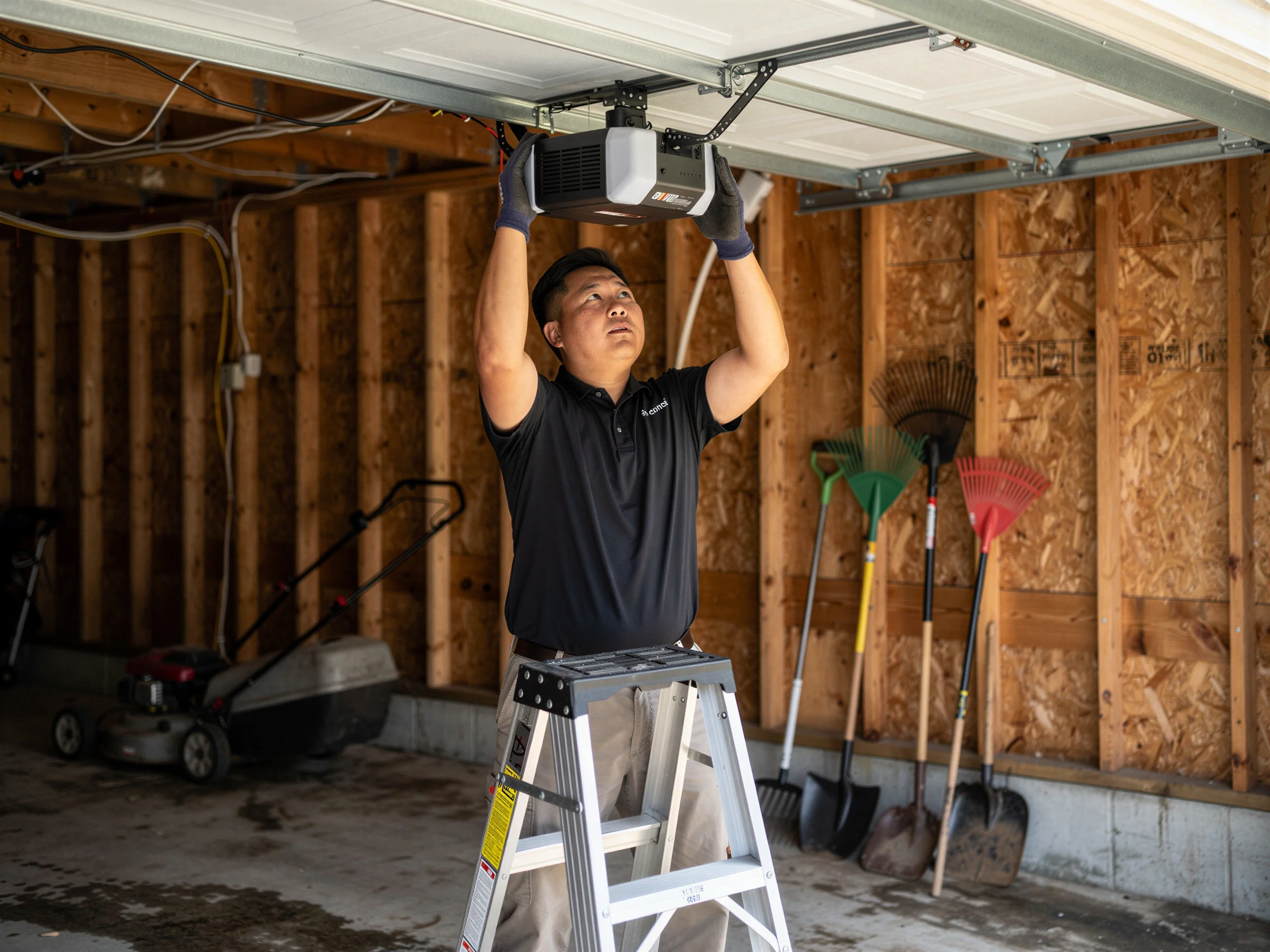
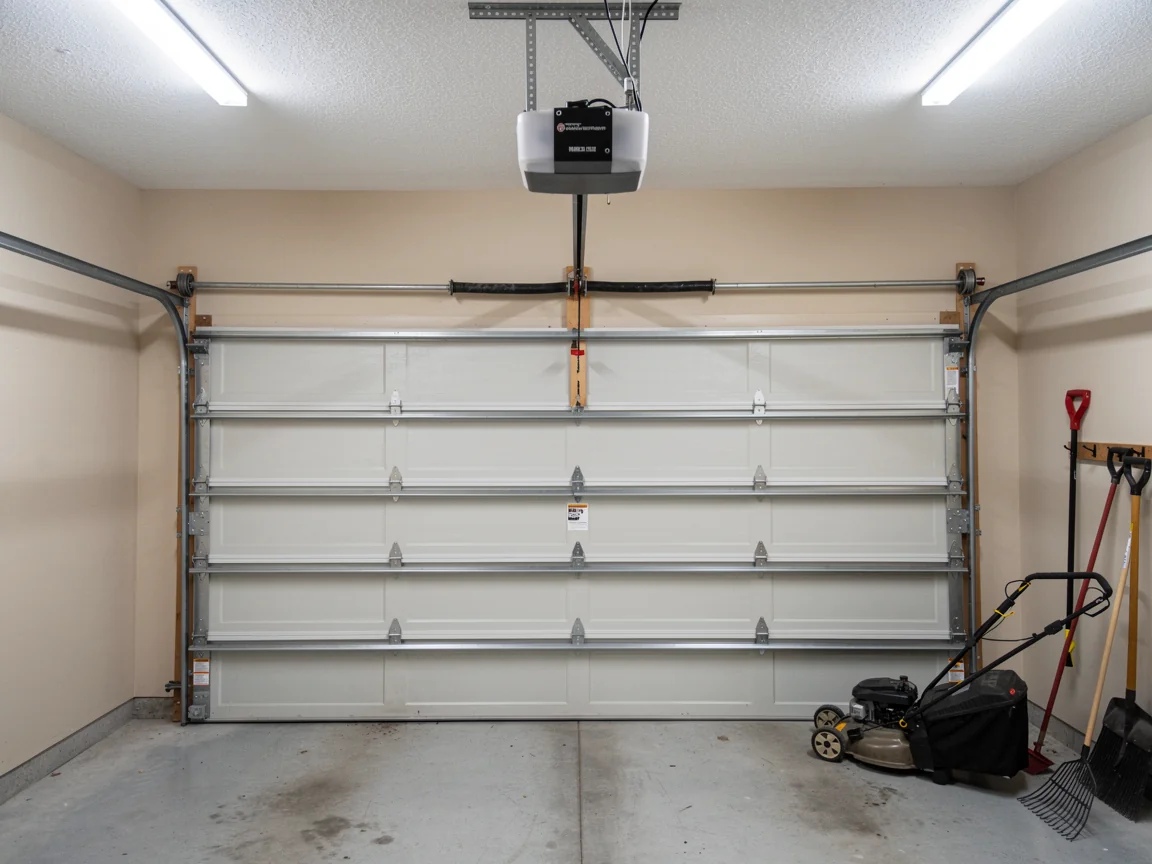
Mounting means securing the rail and motor to solid framing, which on a house from 1940 sometimes means sistering a joist rather than trusting what's there. We wire in the wall console and safety sensors required on any modern install, and pair the remote.
Force limit calibration
Last step is cycling the door several times under load, checking the auto-reverse trips correctly, and setting the force limits so the opener doesn't fight the cold-stiffened grease on a January morning. That calibration step gets skipped more than it should, and it's usually the reason an otherwise fine opener strips its gears within a year.
Talk to a local pro
Garage door service in Utica?
Same-day service with honest, upfront quotes.