How Long You Are Without the Door
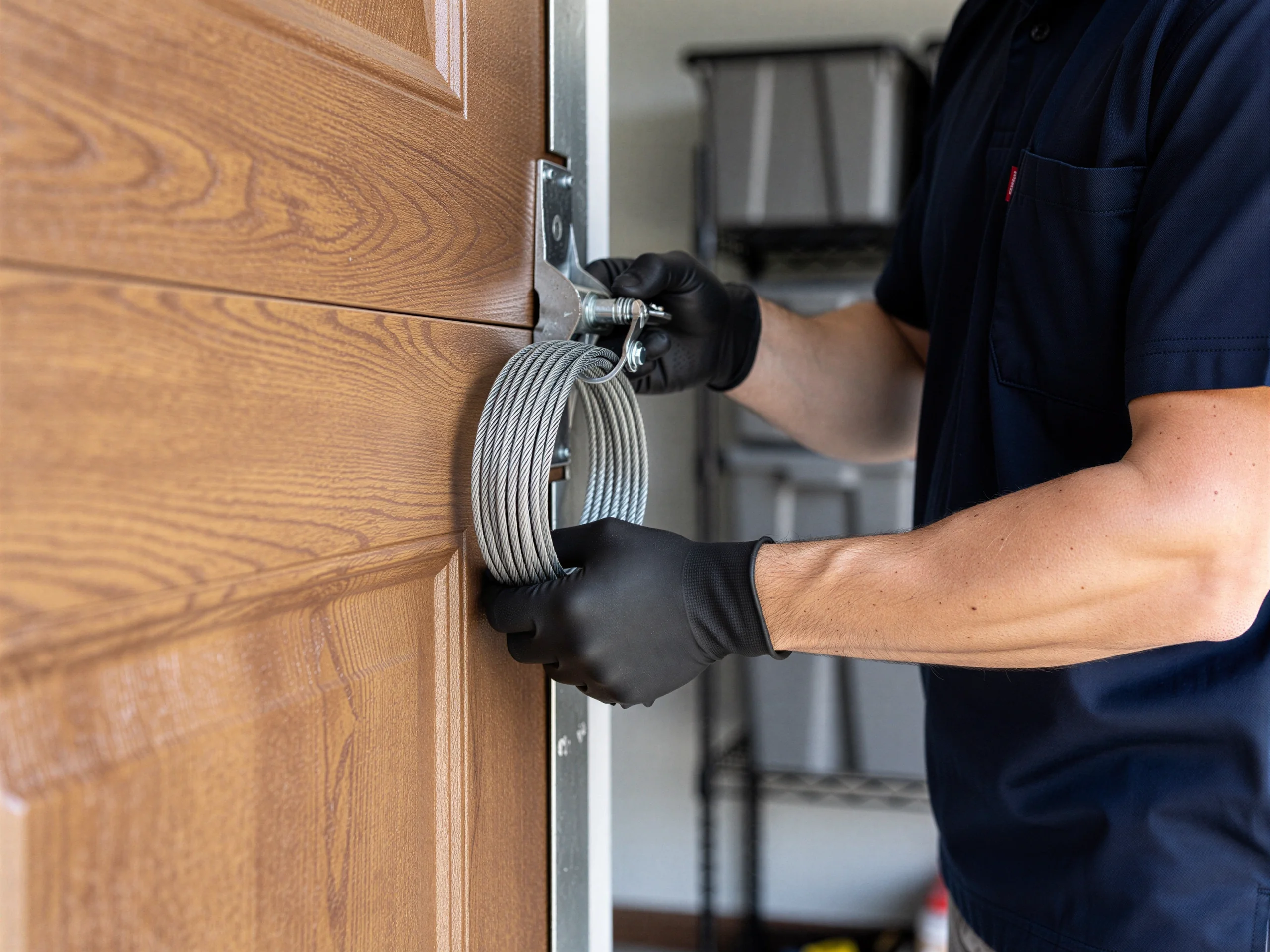
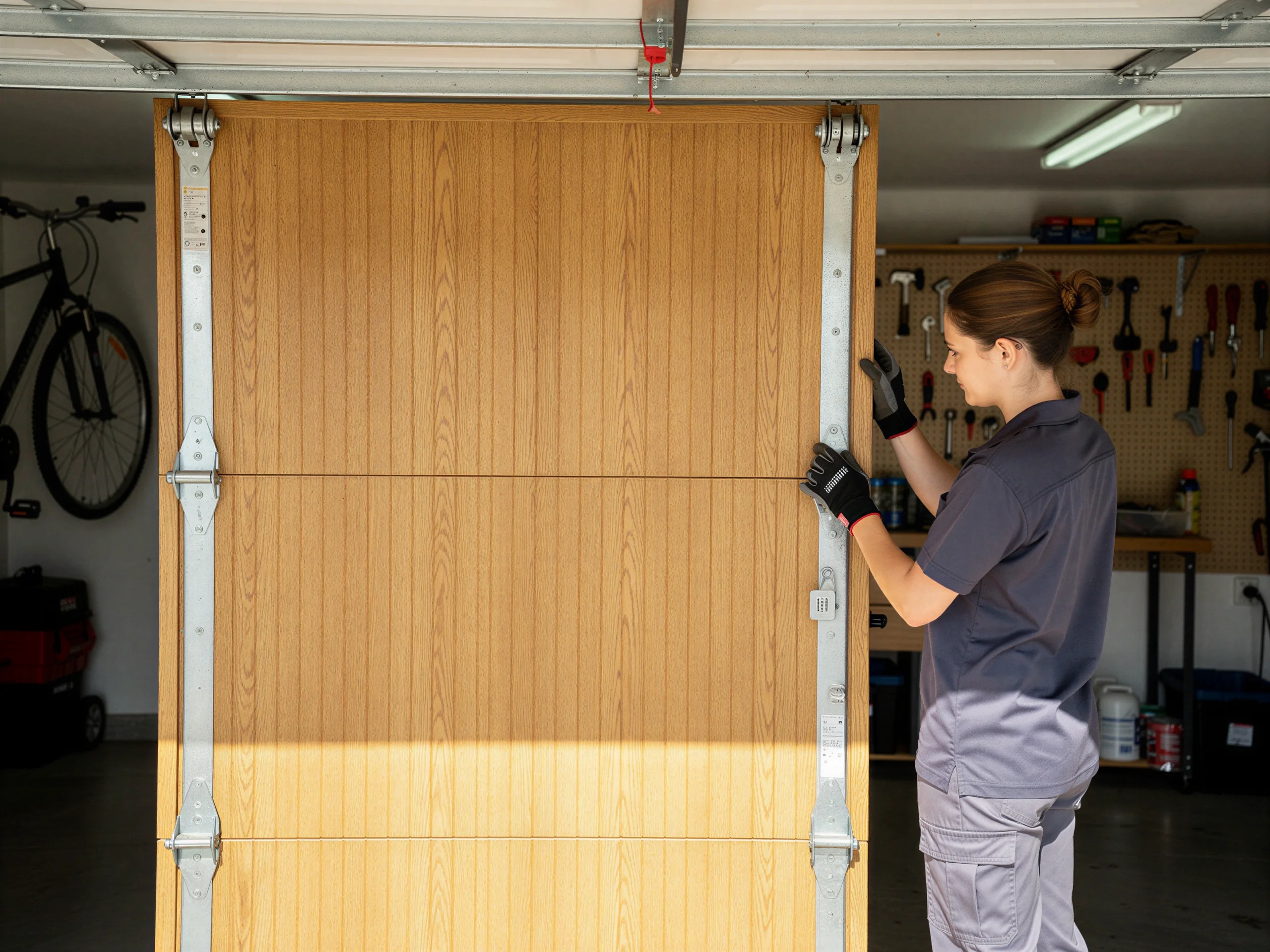
Herkimer's housing stock centers on a median build year of 1938, which is older than most of the towns we cover out of Utica. Doors going up in that era were flat steel or wood panel sets, often custom-sized to openings that don't match anything off a current shelf. That gap matters here specifically: once we pull a cracked or caved panel on a door that old, the house usually sits open-doored longer than it would on a newer build, because we're matching a panel width and profile instead of grabbing a stock size. We travel the 13 miles from Utica for the job, and we won't quote a same-day turnaround on a panel we haven't measured first. If the track and hinge spacing on your door are original, plan on the quote trip before the repair trip, not instead of it.
Doing It Yourself
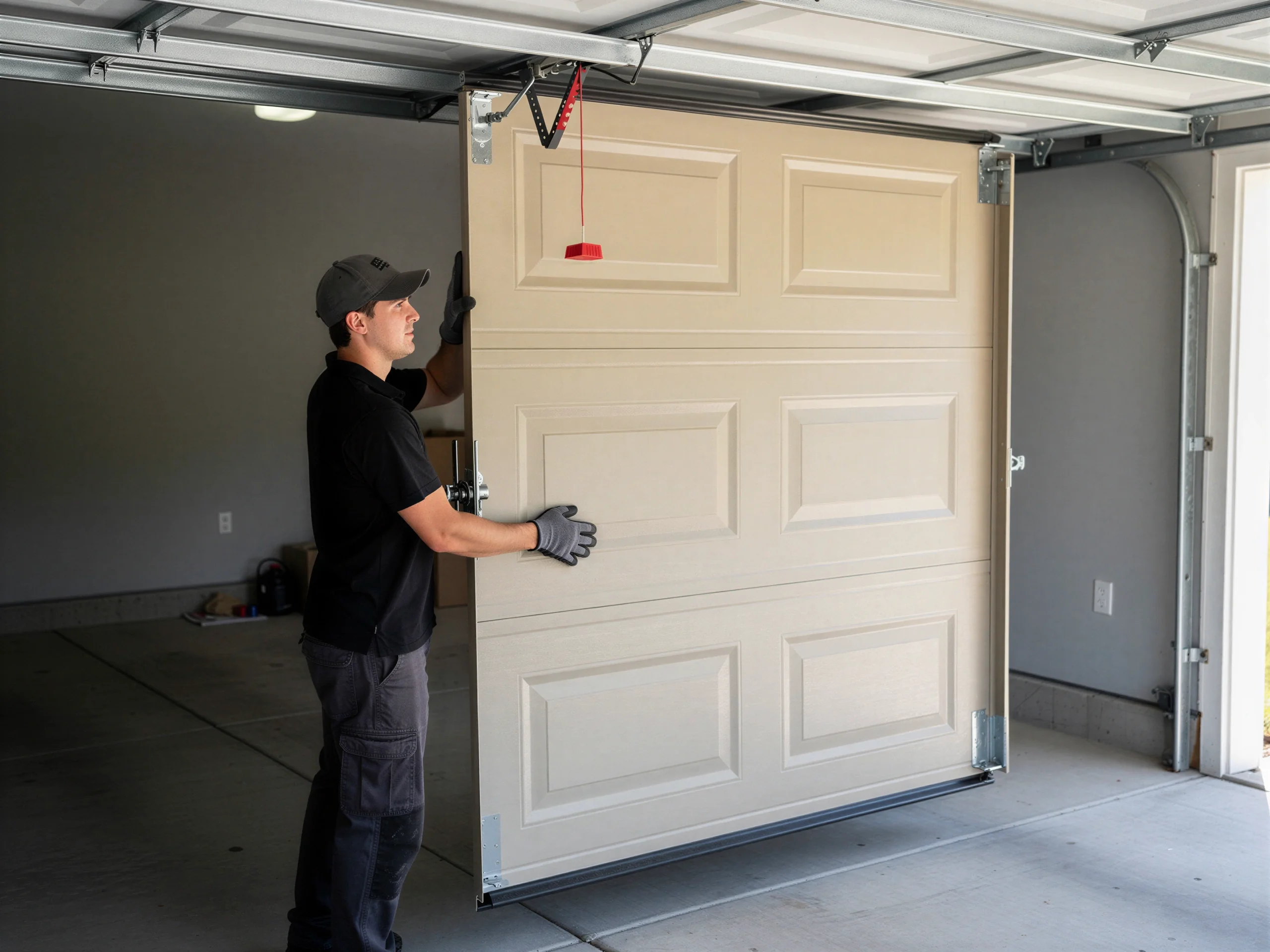
A single cracked panel on a newer sectional door is sometimes a bolt-out, bolt-in job for someone comfortable with a drill.
Custom-fit 1938 panels
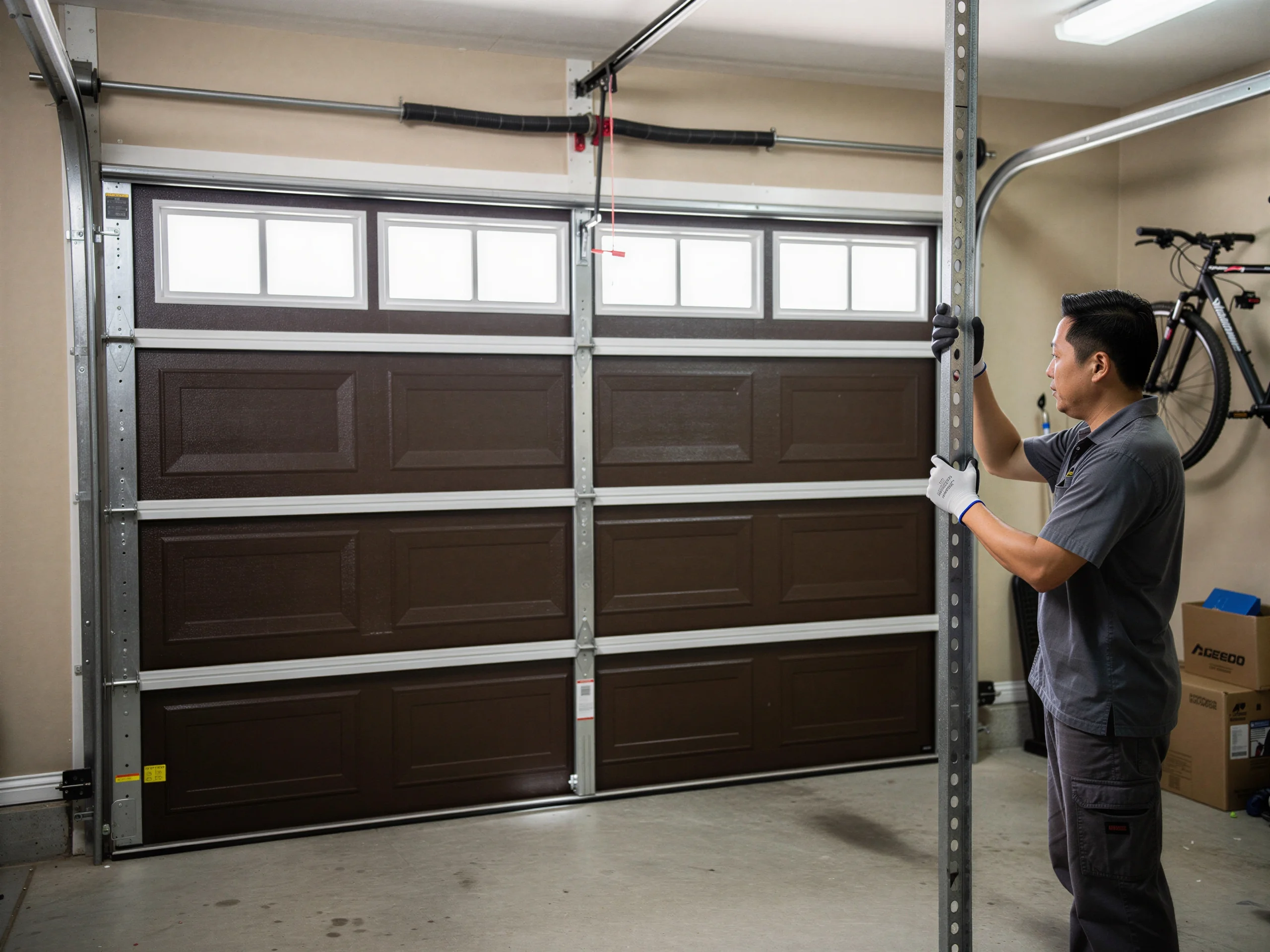
On a door from Herkimer's 1938-era stock, that's rarely true. The panel sections on doors from that period were often fabricated to the opening, not pulled from a standard run, so a DIY panel swap means grinding or drilling new bolt holes into hardware that's already brittle from eighty-plus years of cold cycling.
Spacing errors cause racking
Get the spacing off by a quarter inch and the door racks in the track instead of rolling straight. We'd rather you call before you drill than after.
How It Shows Up
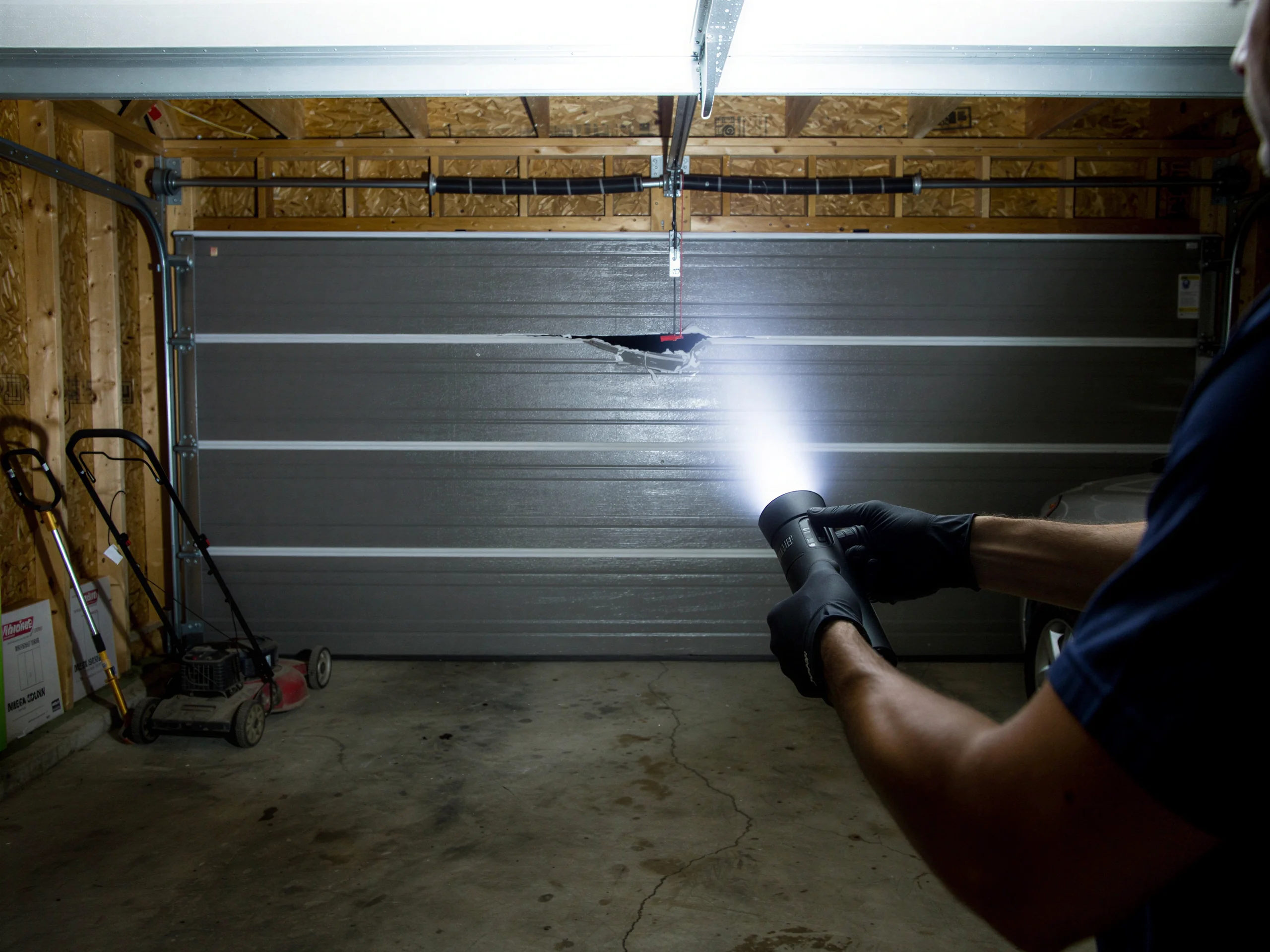
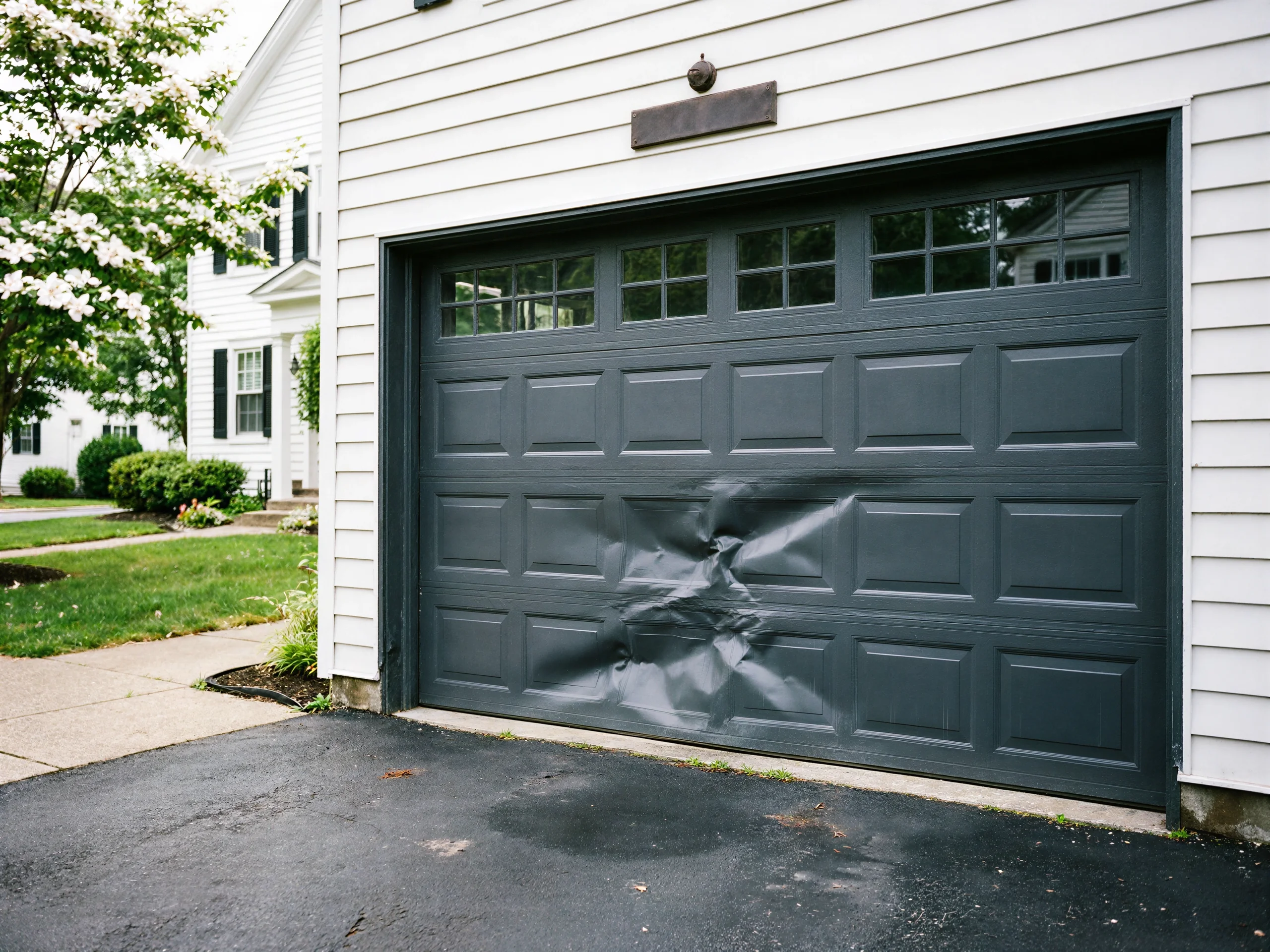
On the older doors common here, panel failure shows up as a bow or a split along a seam rather than a clean crack, because the steel gauge used decades ago flexes differently than what's rolled today. Cold is the other factor: this area sits in a severe cold climate band, and steel that's already thinned from age gets brittle enough that a plow-truck clip to the bottom panel in January can split a seam that would have just dented in July. With 3,216 households in Herkimer and a median income of $57,281, a lot of homeowners here are weighing a full panel replacement against patching, and that decision usually comes down to whether the rest of the door's hardware is original too.
Parts We Carry
We carry common steel panel sections and insulated retrofit panels sized for the sectional doors installed across this region from the 1950s through the 1980s, which covers a good share of the pre-1960 stock found across the 34 named areas we serve from Utica.
Special order for old panels
What we don't stock is a match for a wood panel door or a custom flat-panel steel door built before sectional hardware became standard - those we special-order once we've measured the opening on site, and that part isn't fast.
Setting lead time expectations
If your door falls into that older bracket, expect the lead time conversation up front, not as a surprise after the first visit.
Where This Job Goes Sideways
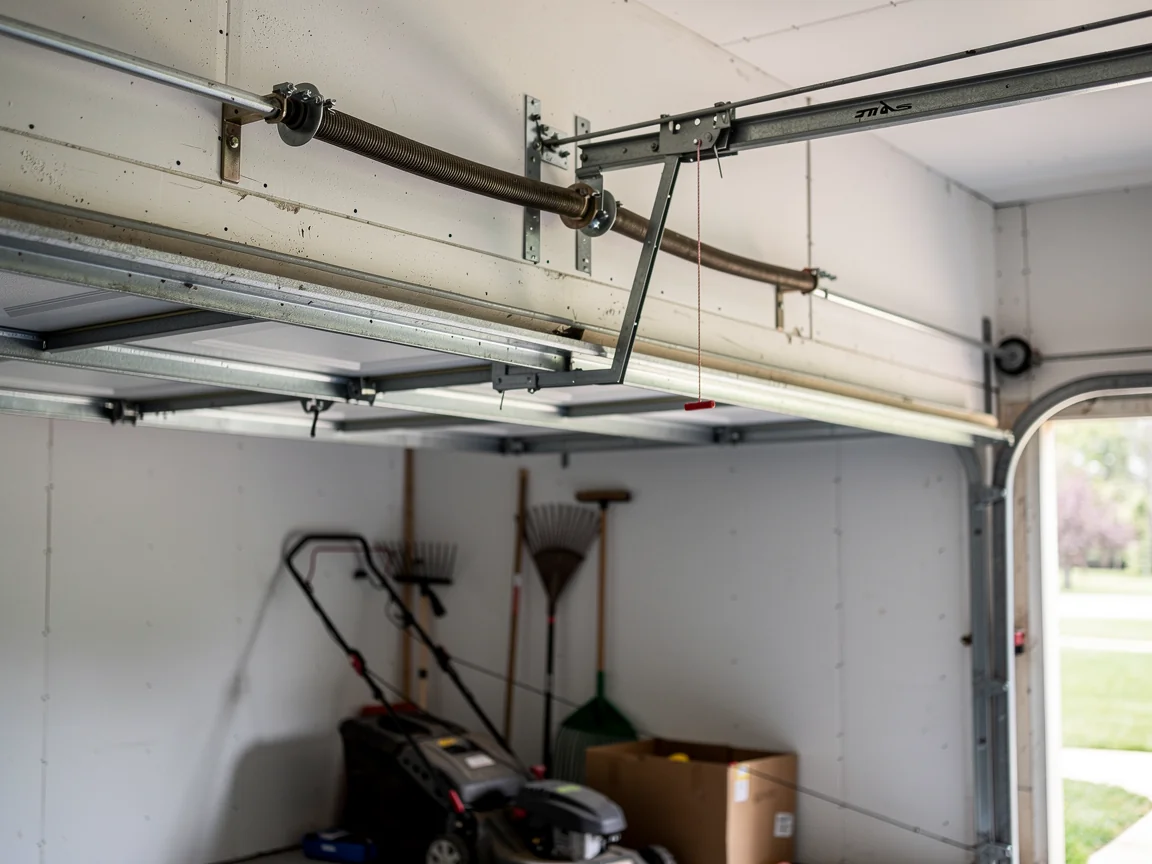
The job gets expensive when a single bad panel turns out to be a symptom, not the problem. On a door that's been riding the same track and springs since the house was built, pulling one panel to replace it can reveal a bent track or a spring sized for a lighter, non-insulated door - common on stock from Herkimer's era. Swap the panel and leave the track bent, and the new section won't seat right either. We'll tell you straight if what you're calling a panel job is actually a full door replacement; sometimes matching one old panel costs more than putting in a new door, and we're not going to talk you into the harder, pricier path just because it's the one you called about.
Talk to a local pro
Garage door service in Utica?
Same-day service with honest, upfront quotes.