How Long You Are Without the Door
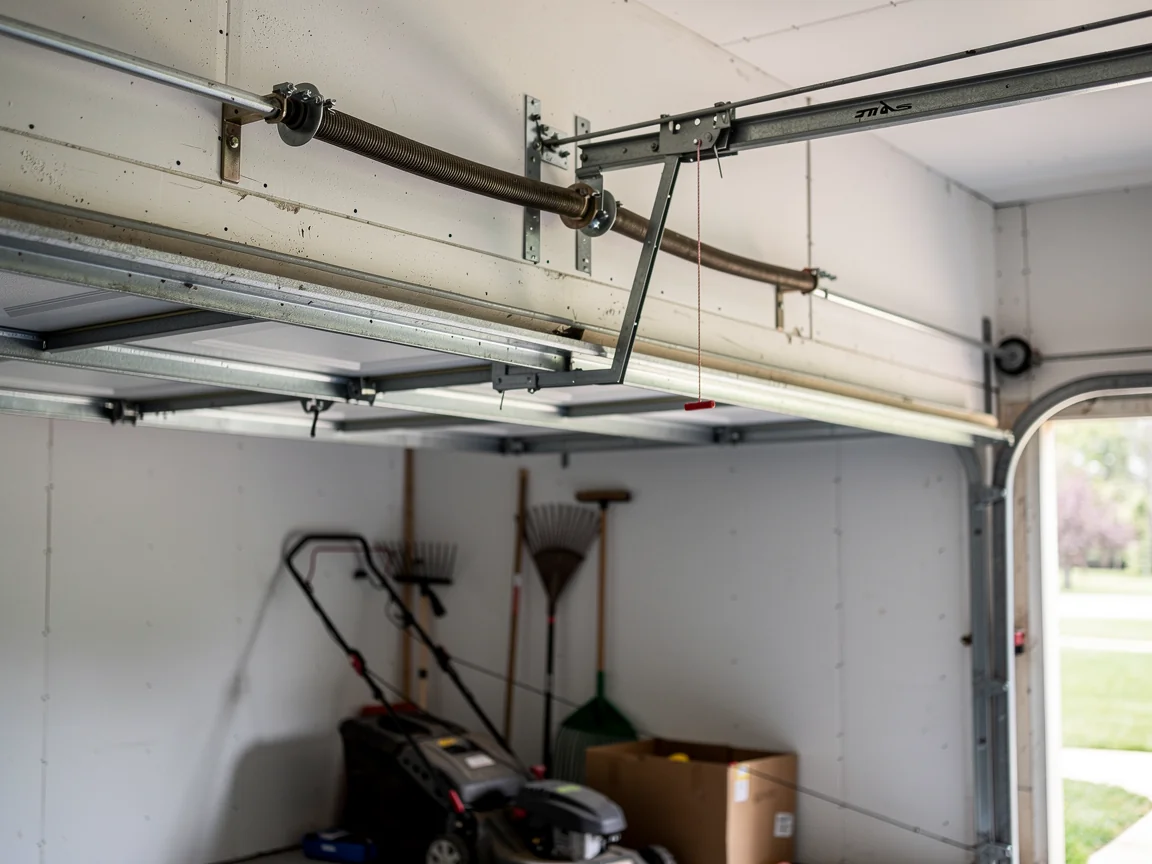
The fault we see most in Herkimer isn't a modern opener glitch - it's a torsion or extension spring that's been carrying a heavier steel door than the 1938-era frame was built for. Herkimer's median home went up in 1938, a full decade before the median across the rest of our service area, which runs closer to 1948. That gap matters: a door built for a house from the late '30s often sits on hardware that's been replaced piecemeal over eighty-some years, and the mismatch between an old jamb and newer springs is where things snap.
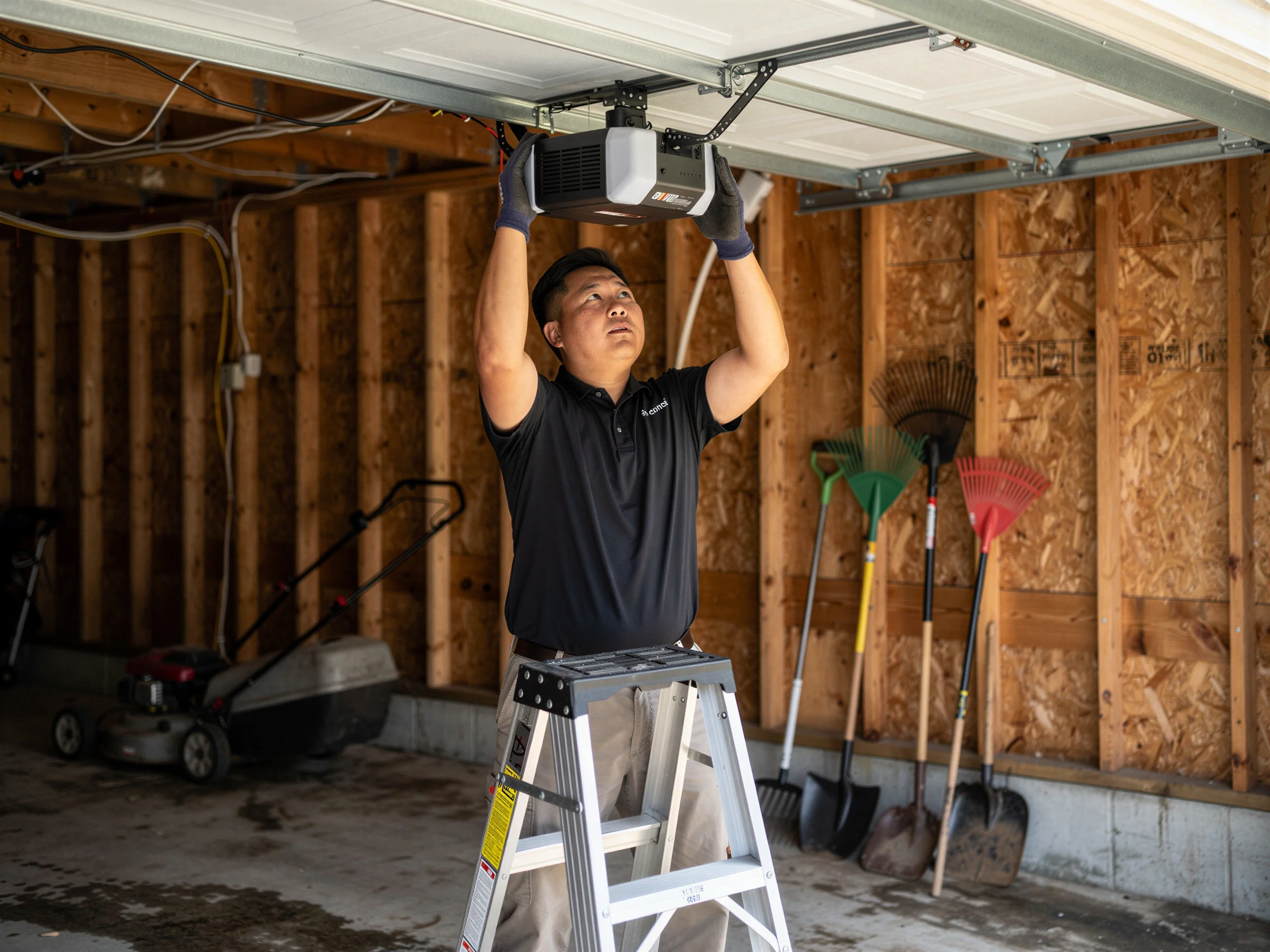
We come from Utica, about 13 miles out, so we're not sitting in Herkimer waiting on calls. We don't carry a local branch or a promised arrival window here - what we do carry is the judgment to know that a sagging door on a house this age is usually a spring problem, not an opener problem, and that changes what we load on the truck before we leave.
Doing It Yourself
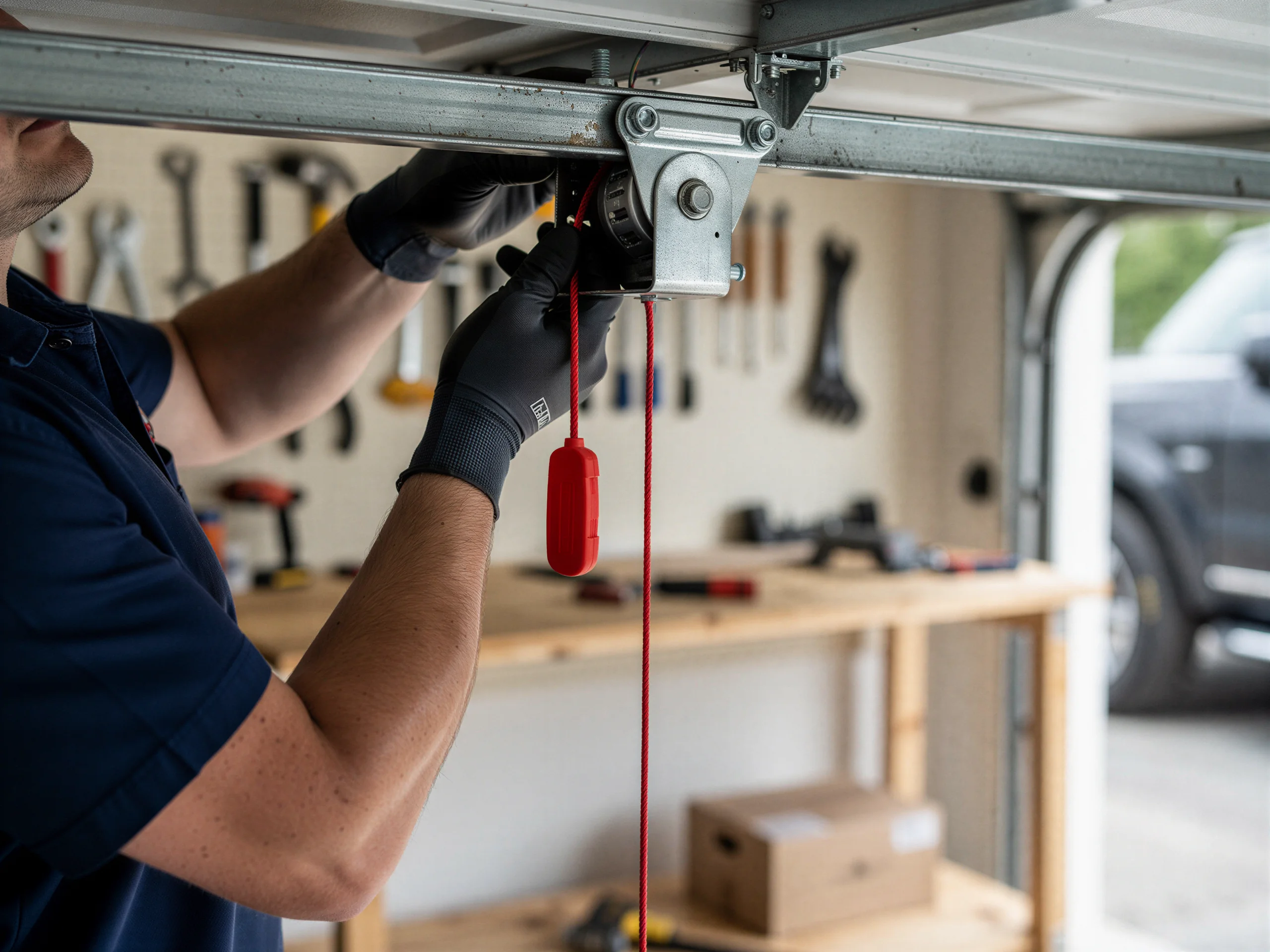
A torsion spring under tension can put someone in the hospital, and on doors this old the winding cones are often rusted or mismatched from a prior repair, which makes them worse to work on than a new installation, not easier.
Split spring safety
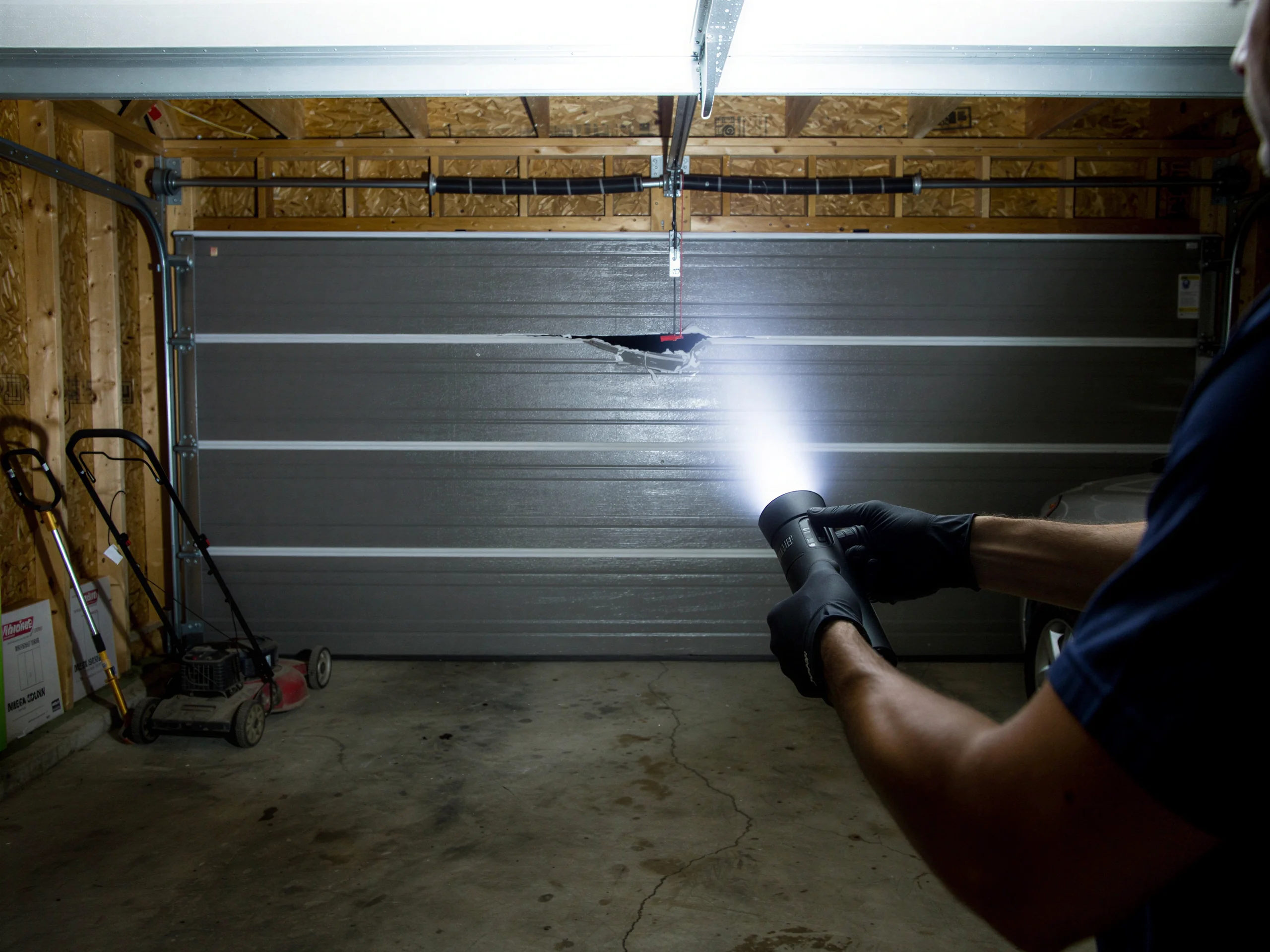
If your door won't open and you can see a coiled spring that's split in two, close the garage, unplug the opener, and don't try to lift the door by hand against dead springs - the cables can still be under load even when the spring looks broken.
Sensors and chain checks
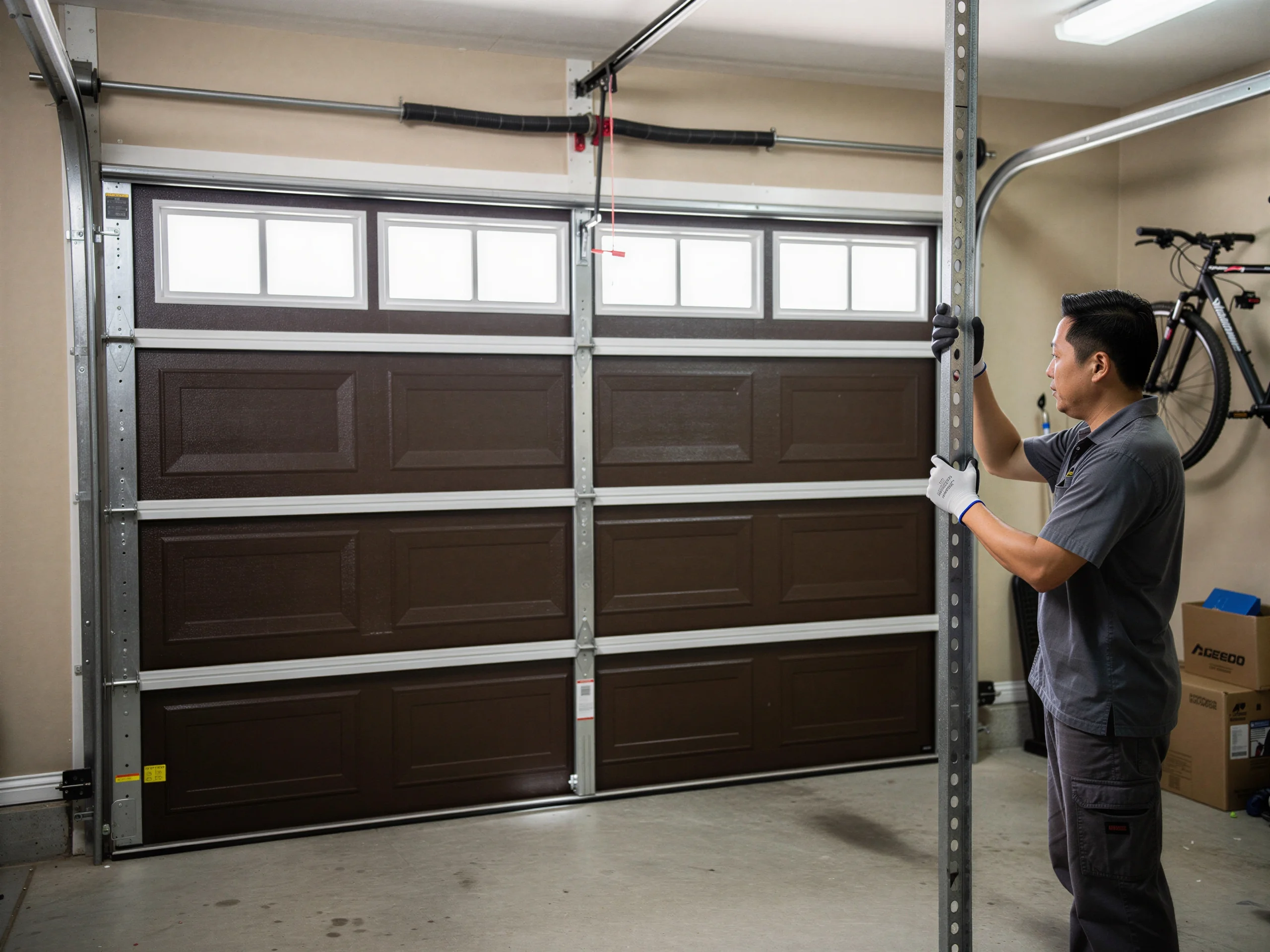
What you can safely check yourself: the photo-eye sensors near the floor track, a disconnected opener chain, or a battery backup that's died. None of those need a service call. But on a house built in 1938, the track is more likely to be bent from decades of settling than the sensors are to be dirty, and that's a judgment call better made in person than over the phone.
Discontinued opener parts
One honest limit: if the opener itself is the original unit from a prior replacement and the part is discontinued, we're not going to pretend we can source it same-day. Some parts for older gear take time to get.
How It Shows Up
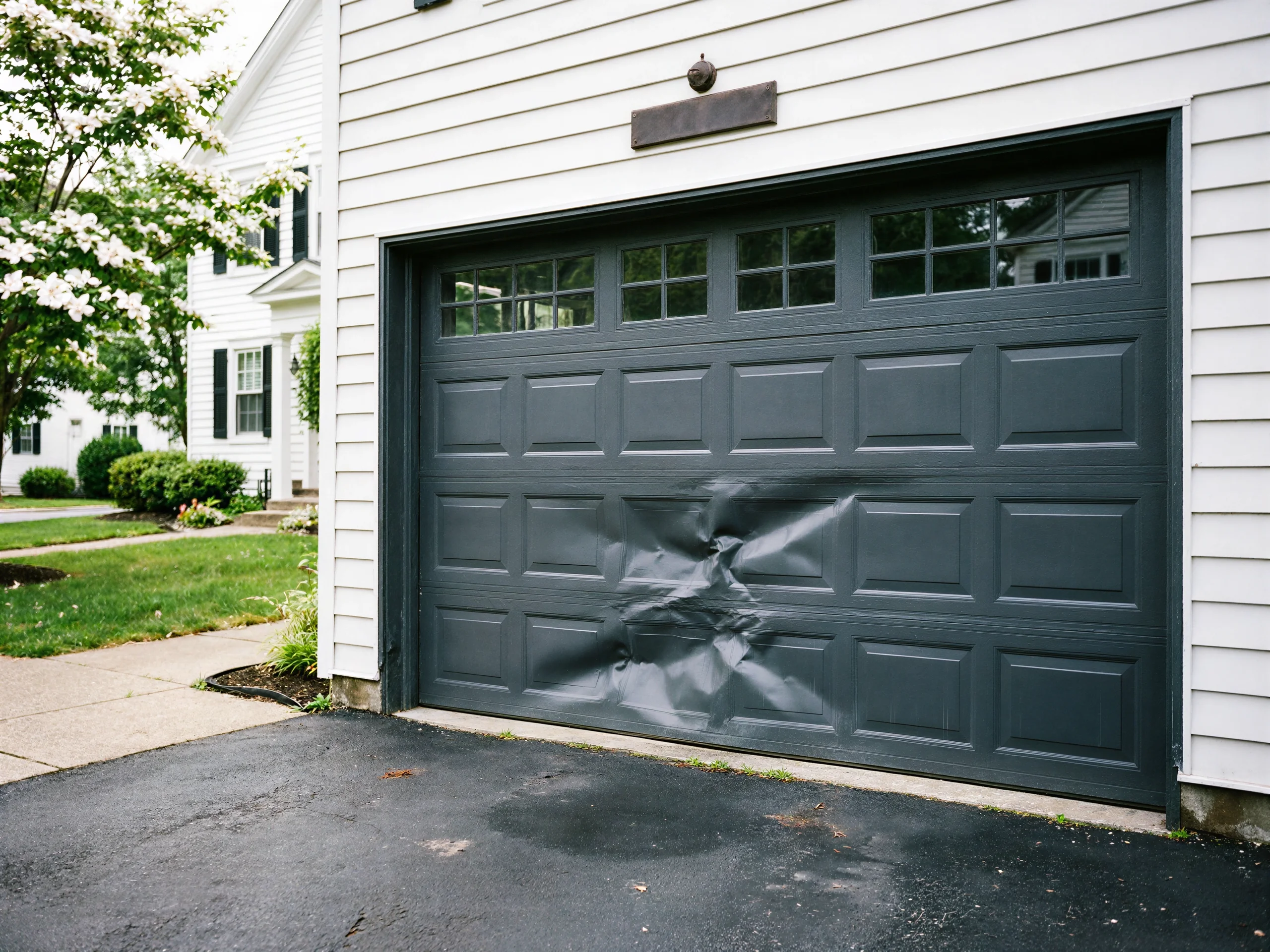
This area sits in a severe cold climate band, and that changes what breaks and when. Steel panels contract in deep cold and pull slightly away from weatherstripping, which is cosmetic until a cable that's already fraying finally lets go on a sub-zero morning. Nylon rollers that have gone brittle from years of freeze-thaw cycling are another common call - they look fine in July and crack apart in January.
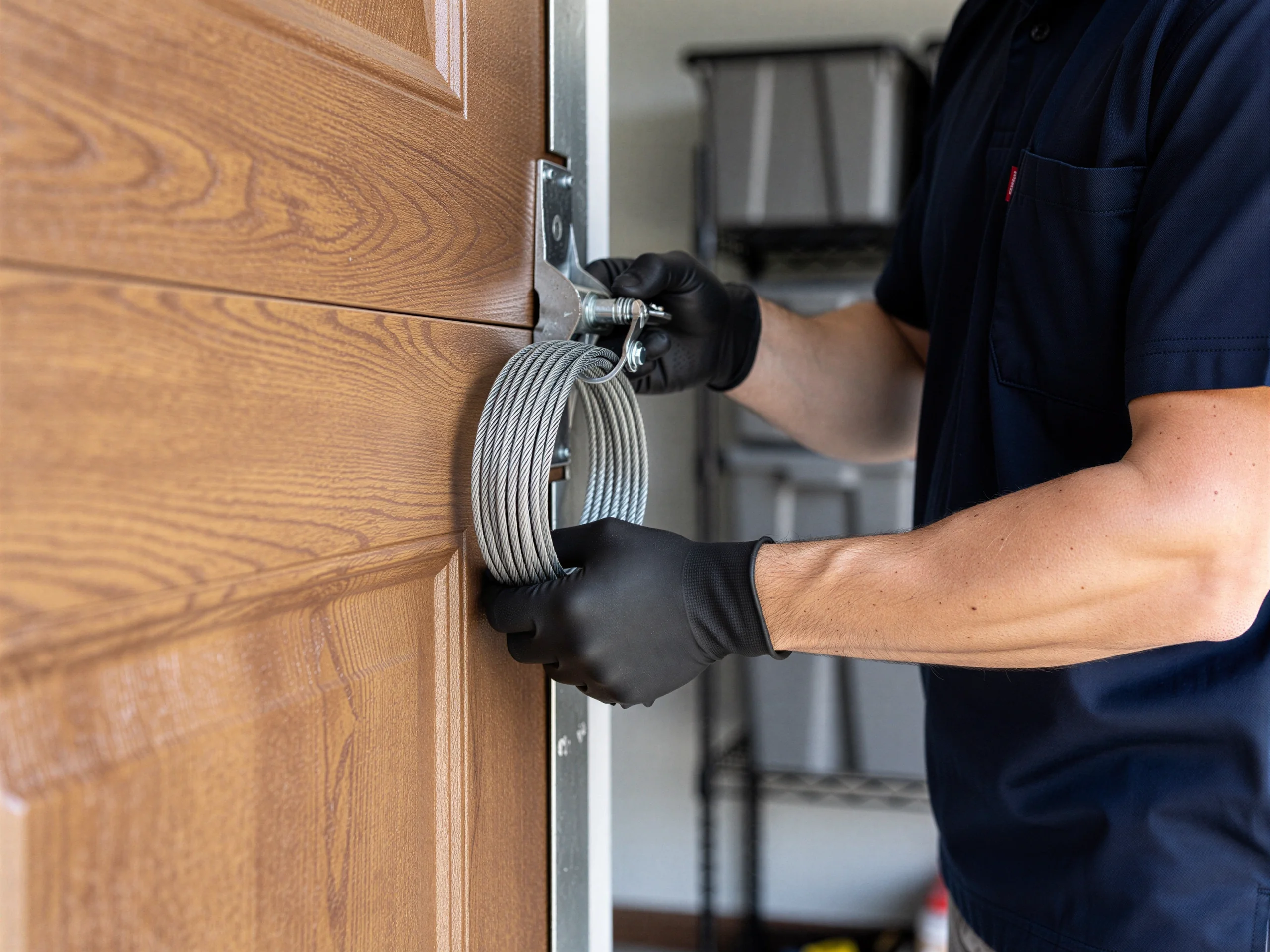
On Herkimer's older housing, we also see lift cables fraying at the bottom bracket faster than you'd expect, because many of these doors were never upgraded to galvanized cable when they should have been. The failure usually isn't dramatic - the door starts hanging crooked, one corner lower than the other - but it's a sign the cable is about to go, and once it does, the door can come down hard.
Parts We Carry
For housing stock from this era, the recurring needs are torsion springs sized for heavier single-layer steel doors, galvanized lift cable, and extension spring safety cables that a lot of pre-1960 installs never had added. We also stock the common roller and hinge sizes that fit the narrower track spacing you see on garages built before two-car bays became standard.
What we don't stock is obsolete opener circuit boards for units that haven't been manufactured in years - if your opener is one of those, we'll tell you straight that replacement is the faster and often cheaper path rather than chasing a part that may not exist anymore.
Where This Job Goes Sideways
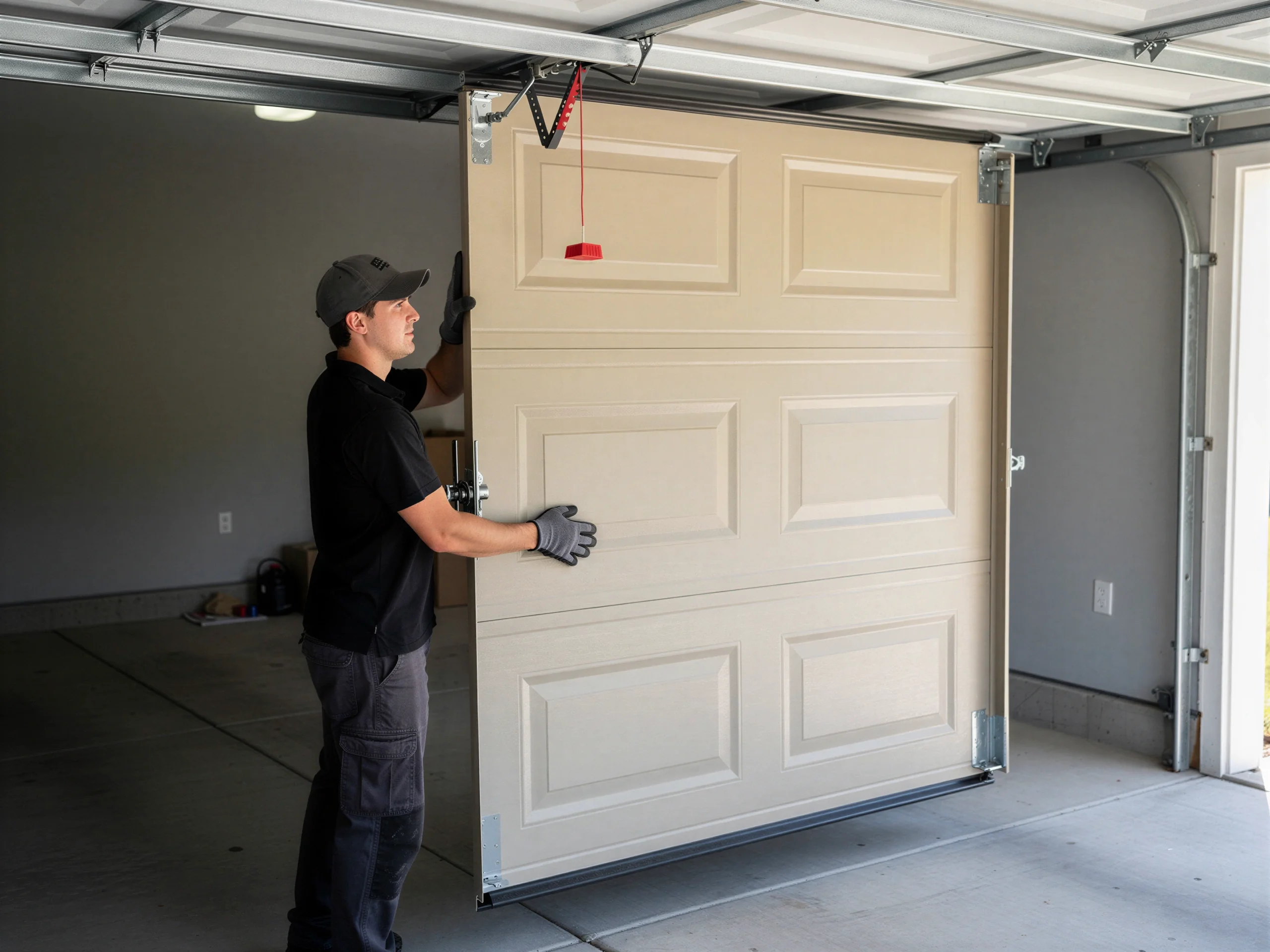
The job gets complicated when the opener is newer than the door. We've seen it in Herkimer: someone replaces a dead opener but keeps the original 1938-era door and track, and the new opener's force settings don't match hardware that's decades out of spec.
Second opener failures
The opener strains, the gears wear fast, and the homeowner ends up calling about a second broken opener within a year or two, thinking the unit was defective. The other place it goes sideways is cost.
Income versus replacement cost
With a median household income here of $57,281 - notably below the $68,425 median across the wider area we serve - a full door-and-track replacement is a bigger decision than it might be elsewhere nearby.
Honest repair-or-replace calls
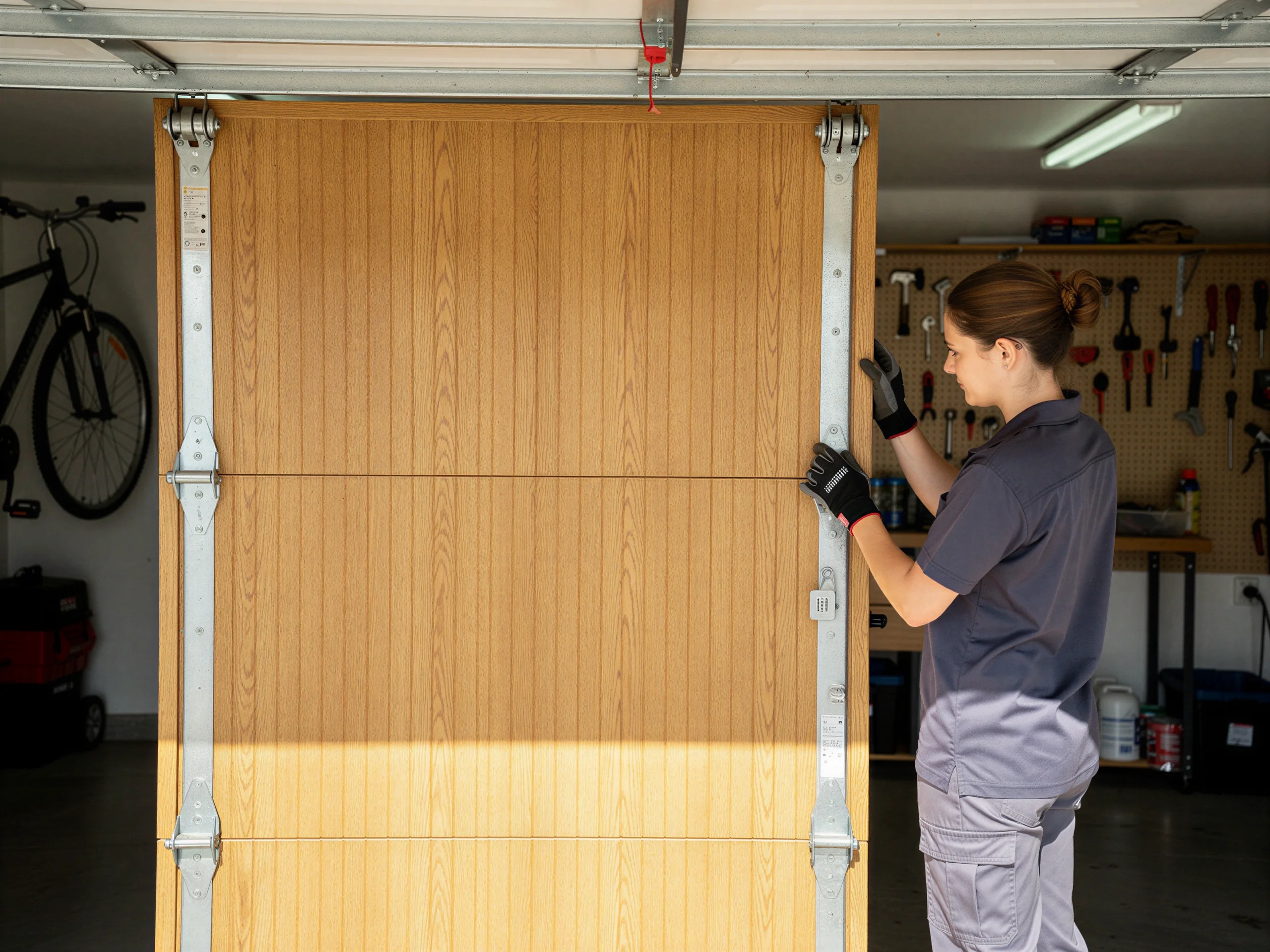
We'll always tell you when a repair gets the door through another several winters versus when the track is bent enough that you're paying to patch something that needs full replacement anyway.
Talk to a local pro
Garage door service in Utica?
Same-day service with honest, upfront quotes.