What It Costs
We don't quote a flat number here because Mohawk's doors aren't uniform. A house built in 1938 might still be running its second or third opener on original track, while a 1960s ranch nearby has a more standard setup. What we can tell you: this area's median household income sits at $82,869, noticeably above the wider Utica service area's $68,425, and we see that reflected in how often owners choose full replacement over patching a 1938-era door that's been rebuilt twice already. A spring job and a full torsion conversion on old hardware are not priced the same, and we won't know which one you need until we're standing in front of the door. We travel the 13 miles from Utica for the visit itself, and the diagnosis is where the real number comes from, not a phone estimate.
What Causes It Around Here
Mohawk's housing skews older than much of the rest of the service area - a median build year of 1938, compared to the 1948 median across the 34 communities we cover.
Pre-1950 door hardware differences
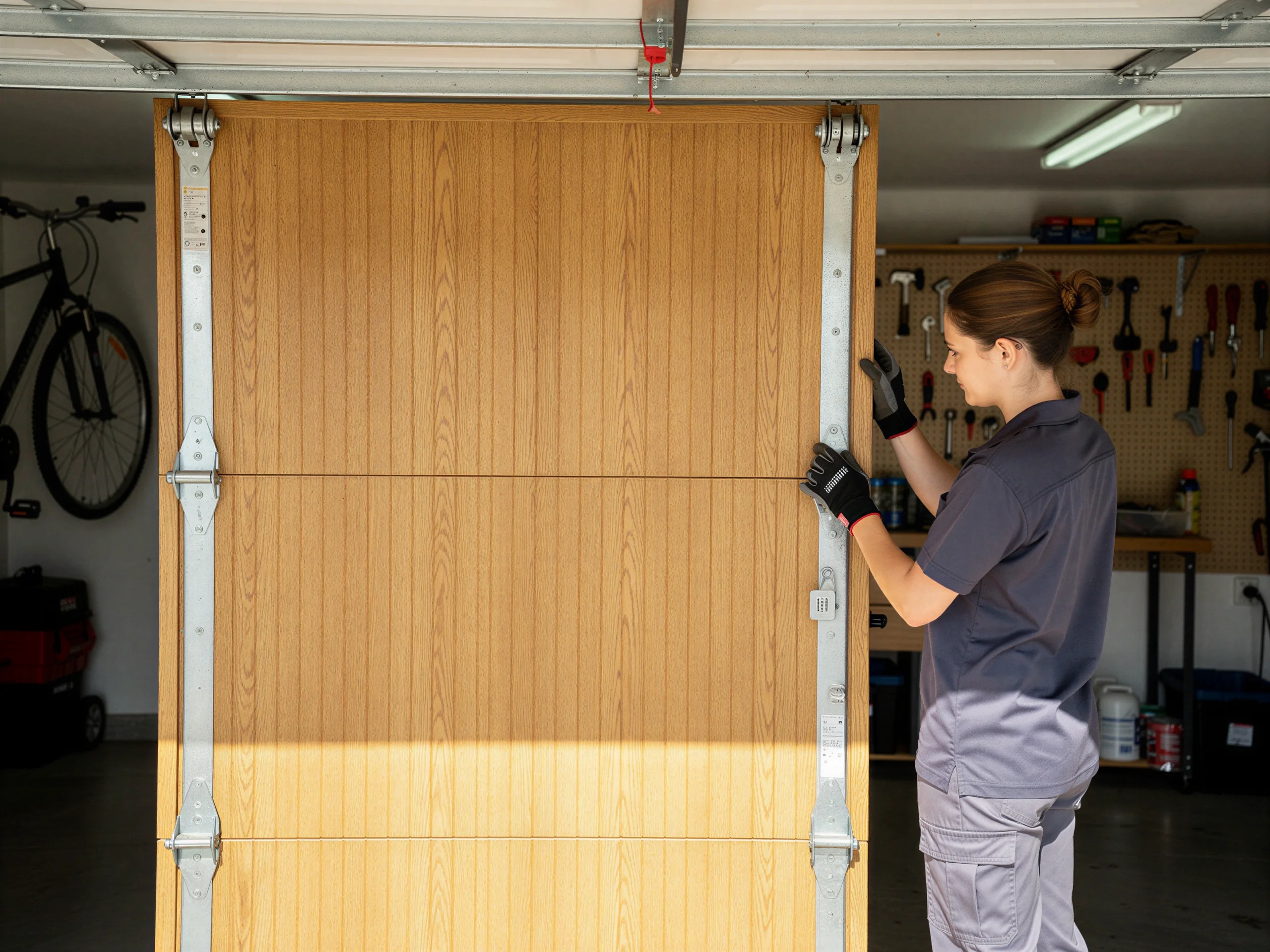
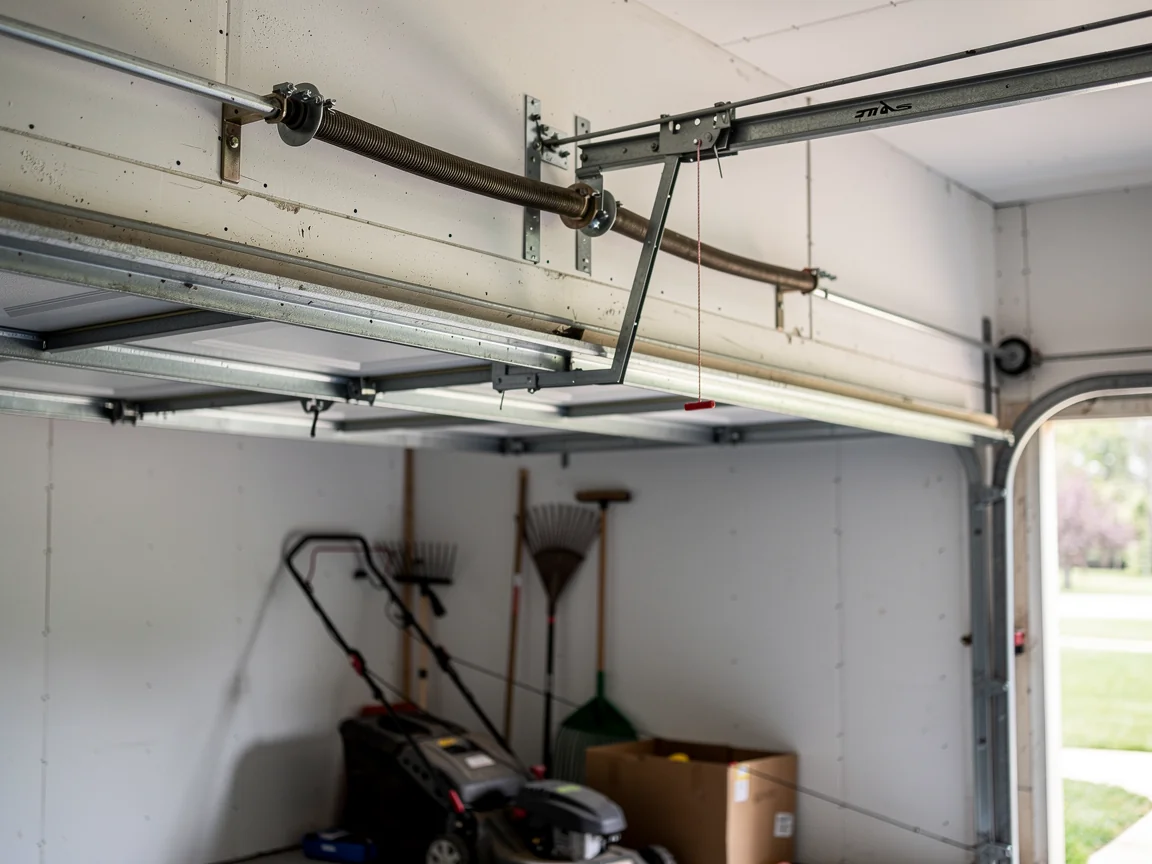
Doors going up in the late 1930s and into the 1940s came with heavier wood panels, exposed torsion springs mounted low on the header, and hardware that was never designed for today's lighter insulated steel sections or modern opener torque.
Mismatched opener damage signs
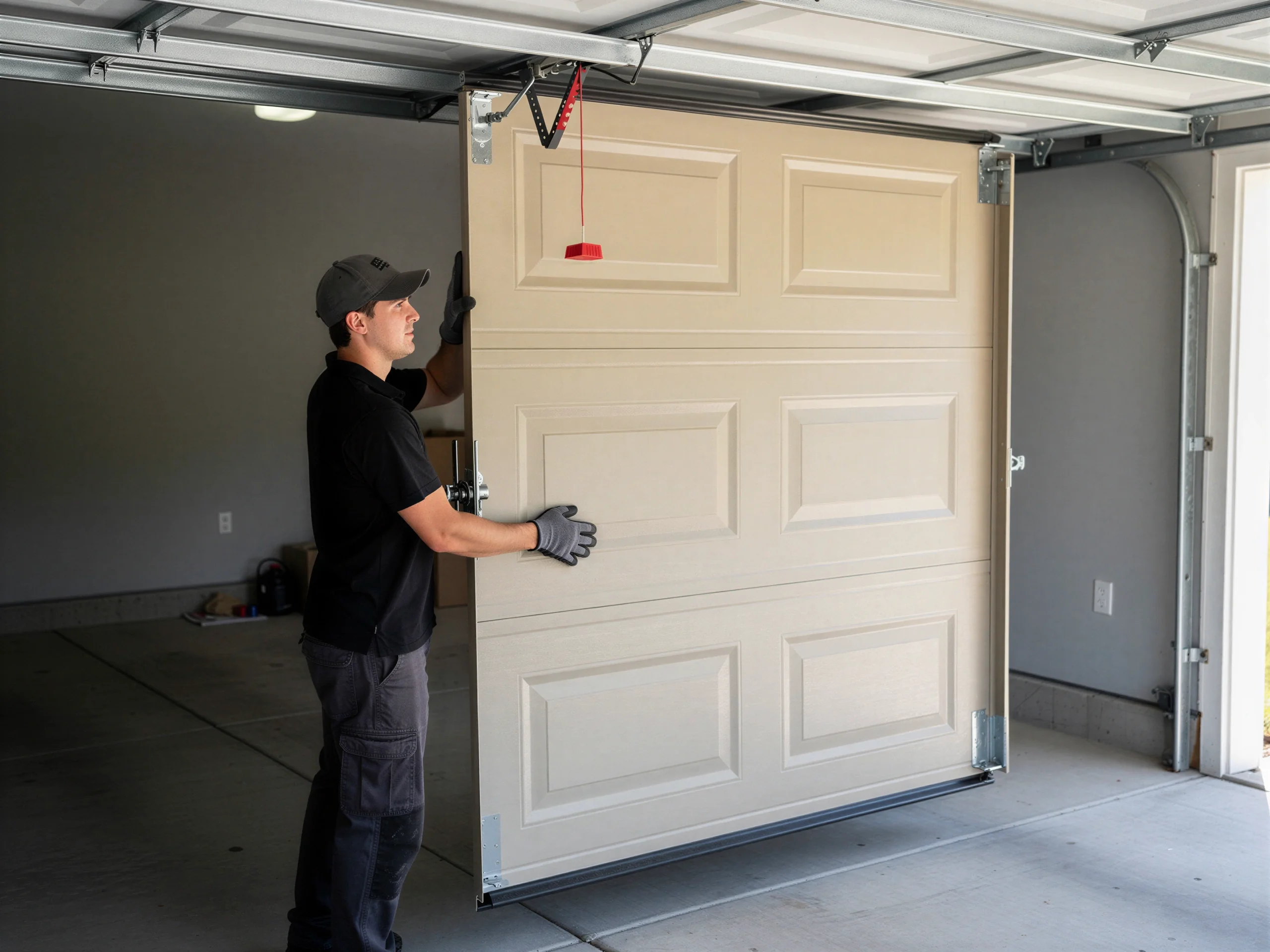
When someone's bolted a newer opener onto a door built for a hand-crank or a basic chain system, the mismatch shows up as a stripped gear, a bent track bracket, or a spring that's been carrying more load than it was wound for.
Cold loosens fasteners and grease
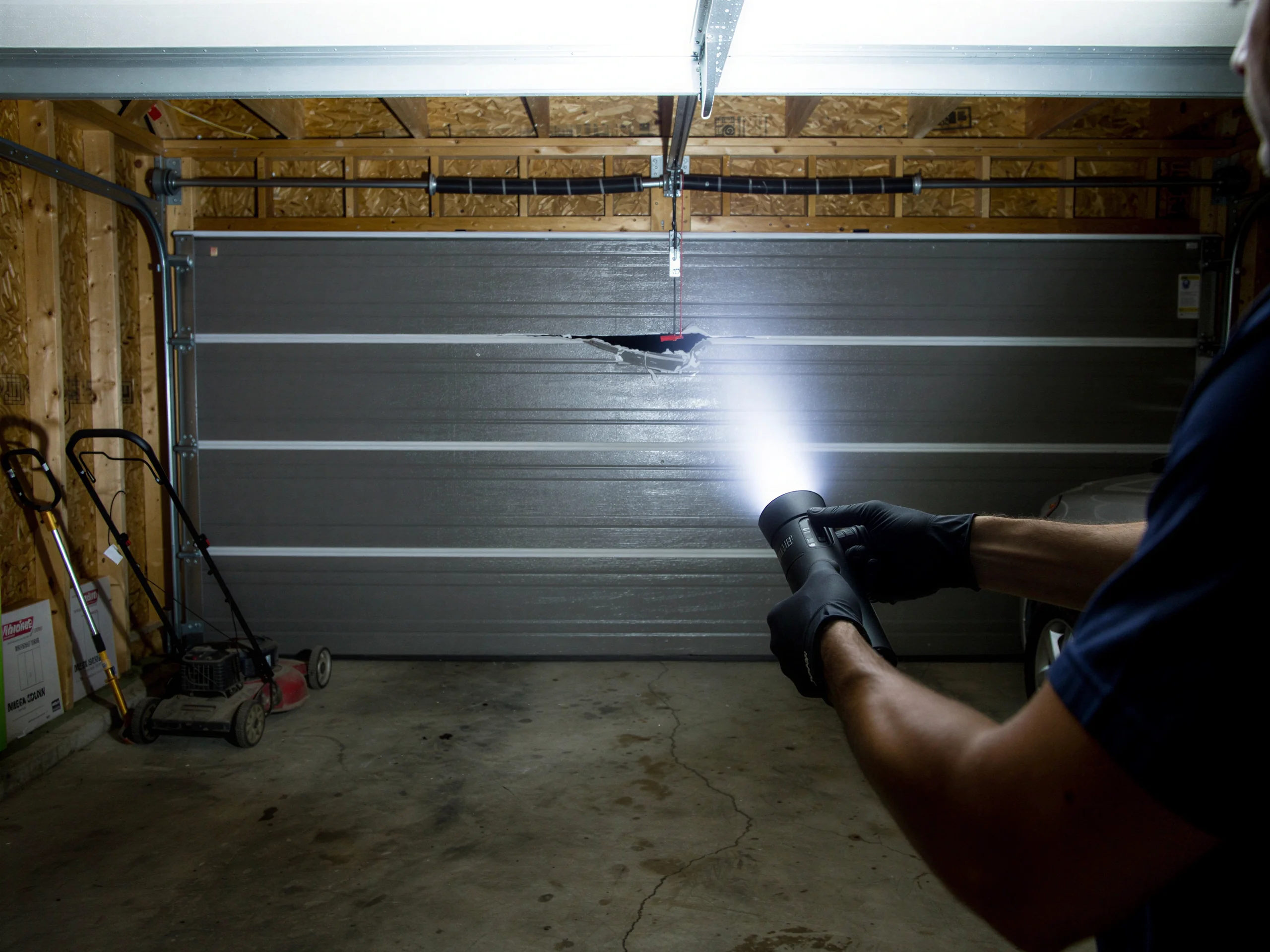
On top of the age factor, this is COLD severe territory - repeated freeze-thaw cycles work steel fasteners loose and stiffen old grease in bearings that haven't been serviced in years. The two factors compound: a door built in 1938 and never upgraded, sitting through sixty-plus winters, is a different repair than the same complaint on a house from 1985.
Booking a Visit
We cover Mohawk from our Utica base, about 13 miles out, along with the other towns in this part of the valley - Herkimer, Ilion, and German Flatts are all close by on the same route. Call and tell us the age of the house if you know it; on a street of 1938-vintage homes that single detail changes what we bring on the truck, since original hardware often needs parts a big-box store doesn't stock. We're honest that older torsion setups sometimes take a second trip if a part has to be sourced, so don't expect same-visit replacement on every job - we'll tell you upfront if that's likely before we're out the door.
Where This Job Goes Sideways
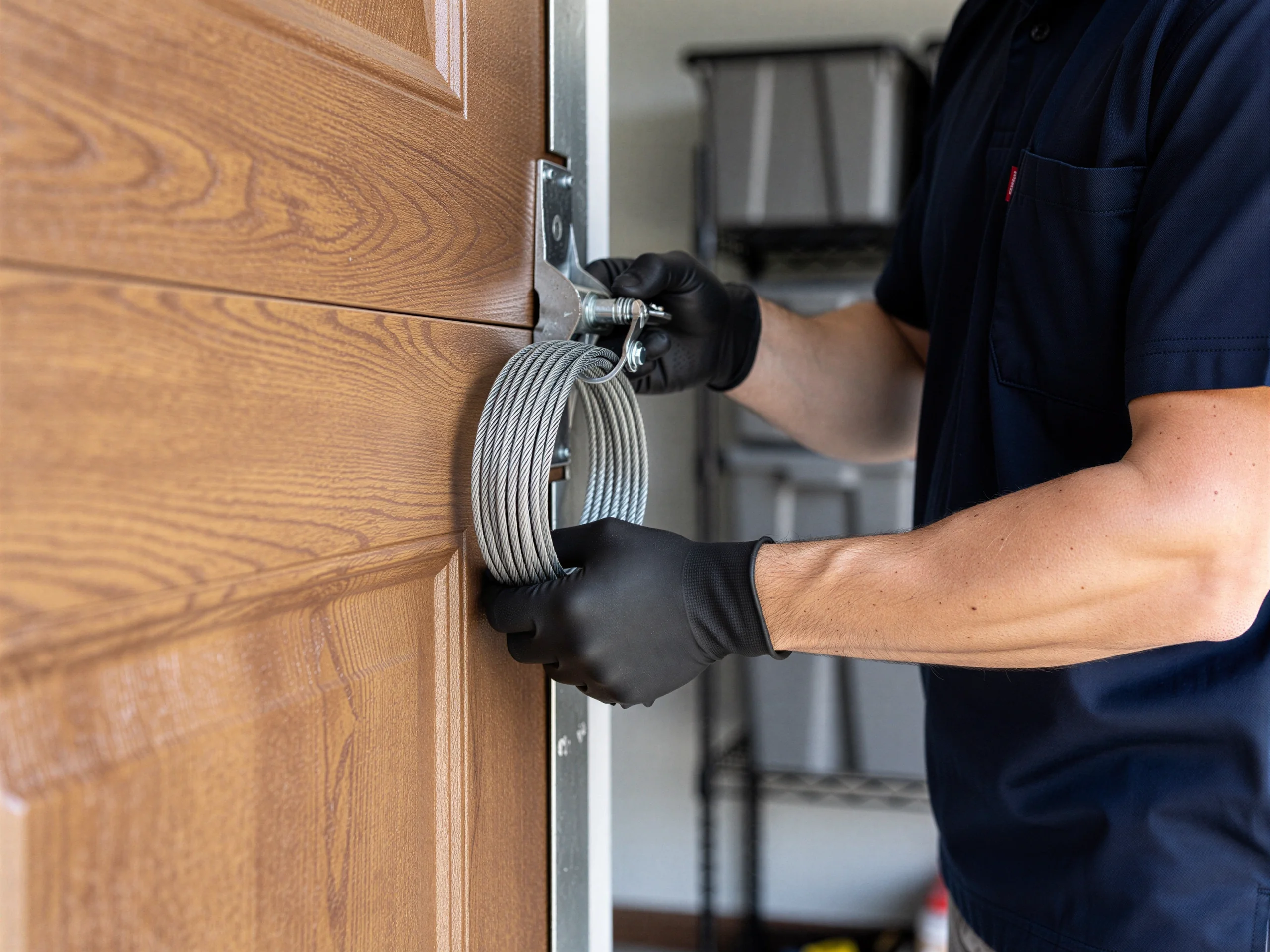
The mistake we see most in Mohawk is someone replacing a broken spring on a door that's still running 1938-era track and drums, then wondering why the cable jumps six months later.
Worn track as root
The spring wasn't the problem - it was the symptom of track that's worn out of true after decades of use. Fixing one component on a door this old without checking the rest of the system is money spent twice.
Repeat failure patterns
With 1,082 households in Mohawk and a housing stock this concentrated in age, we see the same failure pattern repeat house to house, which is useful for us but shouldn't lull anyone into thinking a quick spring swap is the end of it.
Full replacement over years
Our limitation here is real: if the drum, track, and hinges are all original and all worn, we'll say so plainly, and in some of those cases full door replacement costs less over five years than a string of repairs on hardware that's fighting you at every point.
Talk to a local pro
Garage door service in Utica?
Same-day service with honest, upfront quotes.